Creating a Safe Space for Your Puppy
Get Consistent Results In A Week
- Follow trainer-style techniques without needing any past experience
- Let your dog roam the house without watching every second
- Get faster progress by learning what to do at each stage
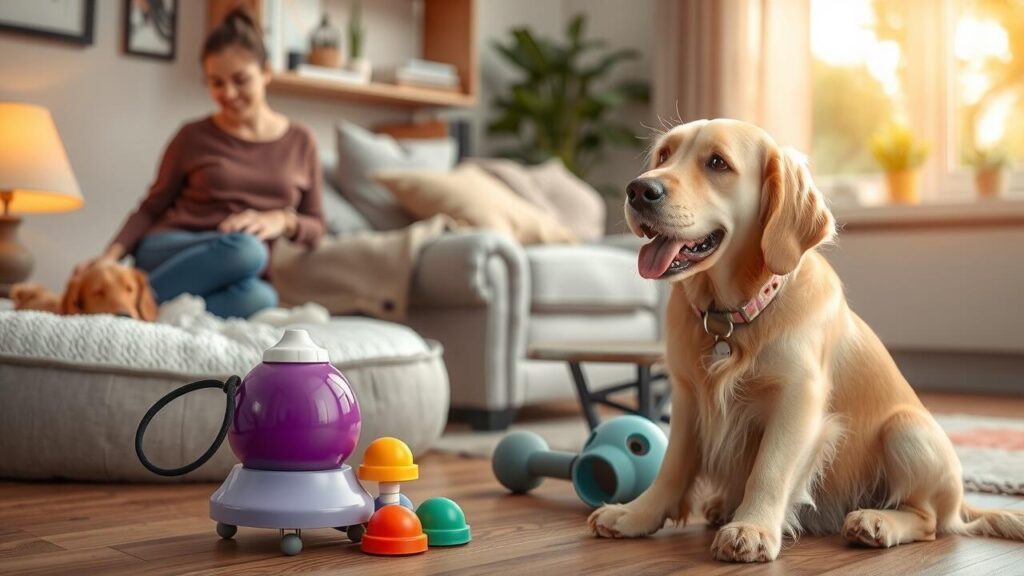
A designated area can significantly help your puppy feel secure and comfortable. This space should be free from distractions and hazards, allowing your puppy to explore without fear. Consider using pet gates to limit their area or a cozy crate as their den where they can retreat when feeling overwhelmed. Ensure that this safe space includes familiar items, such as their bed, toys, and a blanket that carries a sense of smell from their environment.
Establishing a routine within this safe area can also promote feelings of stability. Set regular times for feeding, play, and potty breaks so your puppy becomes accustomed to a predictable schedule. By doing so, your puppy will better understand boundaries and feel more at ease, which can reduce incidents of shredding pee pads arising from stress or anxiety.
Environmental Factors That Influence Behavior
Puppies are highly sensitive to their surroundings, which can significantly affect their behavior. Loud noises, sudden movements, and unfamiliar scents can create a sense of unease. A chaotic environment might overwhelm them, leading to coping mechanisms such as shredding pee pads. Ensuring a calm and stable atmosphere can play a crucial role in minimizing anxiety-related behaviors.
Temperature and light also contribute to a puppy’s comfort level and, consequently, their behavior. An overly hot or cold space can increase stress, causing a puppy to act out. Adequate ventilation and a well-lit area can help create a more inviting space for your pet. By addressing these environmental factors, you can provide a supportive setting that encourages positive habits while reducing unwanted behaviors.
Recognizing Stress and Anxiety in Puppies
Puppies can exhibit various signs of stress and anxiety that may go unnoticed. Common indicators include excessive barking, pacing, or hiding. Changes in appetite or grooming habits can also signal discomfort. Observing these behaviors can provide insights into a puppy’s emotional state, allowing for timely intervention.
Understanding what triggers these feelings is essential for addressing them effectively. Loud noises from fireworks or thunderstorms often startle puppies, while changes in the household, such as new people or pets, can cause disruption. Being aware of these situations enables owners to mitigate potential stressors and create a more supportive environment for their furry companions.
Identifying Triggers for Destructive Behavior
Understanding the underlying reasons for a puppy’s destructive behavior can greatly aid in addressing issues like shredding pee pads. Common triggers include boredom, lack of stimulation, and unmet energy needs. Puppies thrive on interaction and exploration. When they don’t receive enough physical or mental engagement, they may turn to destructive habits as an outlet for their pent-up energy.
Environmental factors also play a significant role in shaping a puppy’s behavior. Changes in the household, such as new furniture, loud noises, or the arrival of a new pet, can create stress and anxiety. These stressors may lead a puppy to engage in shredding as a coping mechanism. Observing your puppy’s responses to different stimuli can help pinpoint specific triggers and offer insights into their behavioral patterns.
Stop Indoor Accidents In Days
- Teach your dog to go to the door to signal bathroom time
- Avoid creating bad habits by ditching indoor potty pad dependence
- Get faster progress by learning what to do at each stage
Implementing Positive Reinforcement
Positive reinforcement is an effective strategy for encouraging desirable behaviors in puppies. This approach involves rewarding your puppy for good behavior, which helps them associate positive outcomes with specific actions. When your puppy refrains from shredding pee pads and uses them correctly, immediately offer praise or a small treat. Consistency is essential in this process. By reinforcing desired actions repeatedly, your puppy will learn over time what is expected.
In addition to treats and praise, maintaining a calm and supportive environment can enhance the effectiveness of positive reinforcement. Use a cheerful tone when rewarding your puppy, as this can strengthen the bond between you two. It’s also helpful to establish a routine that includes regular potty breaks, which can reduce confusion and anxiety for your pup. With patience and dedication, you will likely see a noticeable improvement in your puppy’s behavior regarding pee pads.
Rewarding Good Behavior
Puppies thrive on encouragement and positive feedback. Rewarding them when they display good behavior, such as using the pee pad properly instead of shredding it, can reinforce that action. Treats, praise, or a favorite toy can be effective motivation. It’s essential to deliver these rewards immediately after the desired behavior to create a clear connection in the puppy’s mind. Consistency in this practice helps puppies understand what is expected of them.
In addition to treats and toys, verbal praises can make a significant impact. A cheerful tone and enthusiastic words tell your puppy that they are doing well. Consider establishing a cue word or phrase that signals success, making rewards even more meaningful. This builds their confidence while fostering a bond between the puppy and owner. Ultimately, recognizing and rewarding good behavior lays the foundation for a well-behaved companion.
FAQS
Why does my puppy shred pee pads?
Puppies may shred pee pads due to boredom, anxiety, or a natural instinct to dig. It’s important to understand the underlying causes of this behavior to address it effectively.
How can I create a safe space for my puppy?
To create a safe space, designate a specific area in your home with comfortable bedding, toys, and pee pads. This area should be free from distractions and hazards, allowing your puppy to feel secure.
What environmental factors can influence my puppy’s behavior?
Environmental factors such as noise, activity levels in the home, and the presence of other pets can significantly impact a puppy’s behavior. A calm and stable environment can help reduce anxiety.
How can I recognize stress and anxiety in my puppy?
Signs of stress and anxiety in puppies may include excessive barking, pacing, destructive behavior, hiding, or changes in eating habits. Monitoring your puppy’s behavior can help you identify when they are feeling overwhelmed.
What is positive reinforcement, and how can it help stop my puppy from shredding pee pads?
Positive reinforcement involves rewarding your puppy for good behavior, such as using the pee pad correctly. This method encourages them to repeat the desired behavior, helping to reduce shredding over time.
Related Links
How to Transition From Pee Pads to Outside (Fast and Clean)
Pad Training in Apartments (Setup + Odor Control)
Reusable vs Disposable Pee Pads (Which Fits Your Home?)
Finally A Fully Housebroken Dog
- Help your dog understand outside means bathroom, not playtime
- Follow trainer-style techniques without needing any past experience
- Let your dog roam the house without watching every second