Key Takeaways
- Recognizing the indicators of your dog’s detachment and how to address it.
- Exploring potential causes for your dog’s separation.
- A guide for evaluating your dog’s conduct.
- Actions to strengthen your connection with your pet.
Why Your Dog Is Avoiding You (Checklist + What To Do Next) | Understanding the Signs Your Dog Is Avoiding You
Understanding why your dog is avoiding you can be perplexing for any pet owner. Dogs may exhibit signs of avoidance for various reasons, such as fear, discomfort, or changes in their environment. Recognizing common behavioral cues is crucial for pinpointing the underlying issues. A checklist can help you assess your dog’s behavior, making it easier to identify why your dog is avoiding you. Taking steps based on this understanding is essential in dog training, ensuring you can effectively address the situation. Keep in mind that each dog is unique, and a tailored approach will yield the best results in rebuilding your bond.
Why Your Dog Is Avoiding You (Checklist + What to Do Next) | Common Behavioral Cues
Understanding why your dog is avoiding you can be perplexing, but recognizing common behavioral cues can help shed light on the situation. Pay attention to your pet’s body posture and tail position; a tucked tail or turned body can indicate fear or discomfort. Other dog checks include observing their willingness to engage in play or even approach you. This assessment aligns with the need to explore the reasons behind your dog’s distance, a key aspect of the “Why Your Dog Is Avoiding You (Checklist + What To Do Next).”
Vocalizations can also provide insights into your dog’s emotional state. A lack of barking or growling, or even excessive whining, may indicate stress or anxiety. Frequent hiding or seeking isolation signals that your pet might feel overwhelmed. Recognizing these signs is crucial for addressing the underlying issues that contribute to your dog’s behavior, making it essential to refer back to the “Why Your Dog Is Avoiding You (Checklist + What To Do Next)” for effective strategies.
Body Language Indicators
Understanding body language is crucial in interpreting why your dog is avoiding you. A reactive dog may express discomfort or fear through specific signals. For instance, if your dog fixates on an object or turns away from you while exhibiting rigid posture, this behavior can indicate anxiety or stress. Observing these cues can provide insight into your dog’s feelings and help you determine the next steps to take.
Recognizing subtle changes in your dog’s demeanor can significantly impact your relationship. If your dog acts withdrawn, avoids eye contact, or exhibits tail tucking, these signs suggest unease. An awareness of these body language indicators is essential in the journey of understanding why your dog is avoiding you, offering guidance on what to do next. The more you learn about canine communication, the better equipped you will be to address any underlying issues.
- Pay attention to your dog’s ear position; ears pinned back can signify fear.
- Observe whether your dog’s mouth is closed tight or slightly open; a tense jaw indicates stress.
- Notice tail movements; a wagging tail doesn’t always mean happiness, and a low tail can suggest submission or anxiety.
- Look for changes in posture; a crouched body can indicate hesitation or readiness to flee.
- Watch for lip licking or yawning, which may signal discomfort or anxiety.
- Keep an eye on your dog’s overall demeanor; lethargy or disinterest in play can denote distress.
- Be mindful of how your dog interacts with their environment; avoidance of certain spaces can point to specific triggers of fear.
Possible Reasons for Your Dog’s Distance
Understanding why your dog is distancing themselves can be essential for any dog owner. Various factors can contribute to this behavior. Health issues might be making your adult dog uncomfortable, causing them to seek solitude rather than companionship. Stress and anxiety can also play significant roles, especially if there have been changes in their environment or routine. Recognizing these signs is crucial in addressing the situation. Using the “Why Your Dog Is Avoiding You (Checklist + What to Do Next)” can guide you in observing your dog’s behavior and implementing effective strategies to help them feel more secure and connected.
Health Issues
Health concerns can significantly influence your dog’s behavior, leading them to avoid interaction. If a dog isn’t feeling well, they may seek solitude as a coping mechanism. Observing an attentive dog in their normal state can help identify changes in behavior, signaling potential health issues. Referring to “Why Your Dog Is Avoiding You (Checklist + What to Do Next)” can guide you through recognizing these signs.
Unexpected movements or a reluctance to engage might indicate physical discomfort, illness, or pain. It’s essential to monitor any shifts in your dog’s behavior and consult a veterinarian if you notice alarming signs. Understanding the link between health and behavior is crucial for maintaining a harmonious relationship with your pet. Using resources like “Why Your Dog Is Avoiding You (Checklist + What to Do Next)” will help ensure your dog remains happy and healthy at home.
Stress and Anxiety Factors
Dogs may exhibit signs of stress and anxiety due to various situations, and understanding these factors is crucial for pet owners. A dog that feels anxious might generalize their fear to different contexts, causing them to avoid interactions that were once enjoyable. This behavior can be particularly noticeable in a senior dog who might already be experiencing changes in its health or mobility, leading to further withdrawal. For those seeking answers, referring to “Why Your Dog Is Avoiding You (Checklist + What to Do Next)” can provide valuable insights.
Identifying stress triggers is a key step in addressing your dog’s avoidance. Common causes include loud noises, changes in household dynamics, or even shifts in routine. If your dog is avoiding you, it might be responding to these stressors rather than a lack of affection. A thorough assessment of your dog’s environment and behavior will help you understand any underlying anxiety issues. For guidance, consider the suggestions outlined in “Why Your Dog Is Avoiding You (Checklist + What to Do Next)” to effectively manage and alleviate their discomfort.
| Stress Factor | Description | Signs of Stress |
|---|---|---|
| Loud Noises | Sudden and loud sounds like thunderstorms or fireworks | Hiding, trembling, excessive barking |
| Changes in Household | New family members, pets, or moving to a new home | Avoidance, increased reliance on owner, changes in eating habits |
| Routine Alterations | Changes in daily schedule, such as feeding or walking times | Restlessness, pacing, increased vocalization |
| Health Issues | Chronic pain or illness affecting mobility and behavior | Withdrawal, reluctance to engage in play, changes in temperament |
Changes in Environment
Environmental changes can significantly impact a dog’s behavior. New furniture, a different home layout, or the introduction of unfamiliar smells can cause a pup to feel unsettled. This discomfort may lead to a dog stay away from you to seek comfort in familiar spaces. Understanding these factors is essential for pet owners trying to decipher why their dog is avoiding them, especially with senior dogs who may be more sensitive to changes.
Signs of stress can arise when your dog encounters alterations in their environment. A once playful pup may retreat or become more withdrawn due to disruptions like moving homes or changes in the family dynamic. It’s crucial to assess these shifts as part of the Why Your Dog Is Avoiding You (Checklist + What to Do Next). Identifying and addressing these environmental factors can help you re-establish a positive connection with your furry friend.
Checklist for Assessing Your Dog’s Behavior
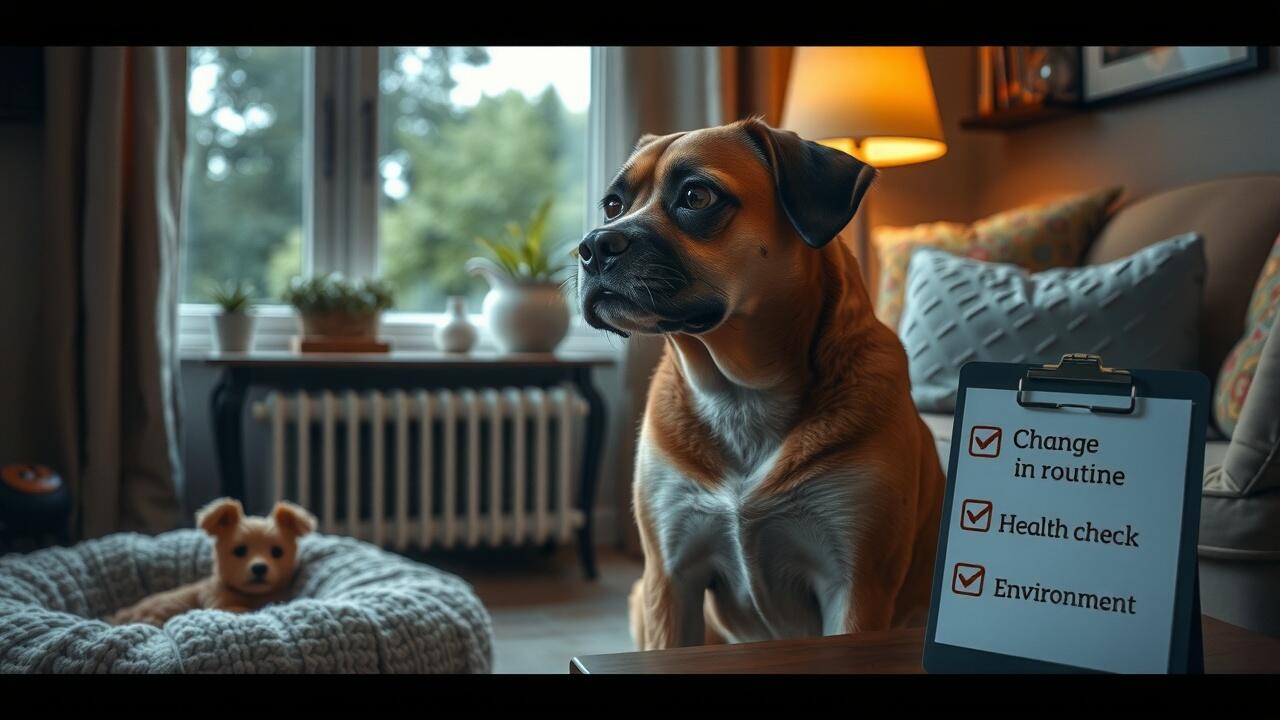
Assessing your dog’s behavior is essential to understanding why your dog is avoiding you. Many pet owners may notice subtle shifts in their new-to-you pooch’s interaction patterns, which can be revealed through careful observation of dog body language. Signs of discomfort or disinterest can indicate deeper issues affecting your canine-human relationship. Reviewing the checklist can provide insights into various factors contributing to your dog’s behavior. This assessment is vital for determining actionable steps from the “Why Your Dog Is Avoiding You (Checklist + What to Do Next)” to rebuild trust and connection.
Observing Interaction Patterns
Noticing changes in how your own pup interacts with you can provide valuable insights into why your dog is avoiding you. As dogs age, their behaviors can shift, leading to hesitance or withdrawal. Pay attention to how often your dog barks at you or seeks your attention. These patterns can help identify if there’s a deeper issue at play, aligning with the guidance in “Why Your Dog Is Avoiding You (Checklist + What to Do Next).”
Tracking your dog’s reactions during various interactions is crucial. Does your pup seem eager to play at times but suddenly withdraw? Understanding these fluctuations can be key. Assess whether your dog has become more reserved during daily routines or if they react negatively to familiar stimuli. This evaluation will aid in determining next steps recommended in “Why Your Dog Is Avoiding You (Checklist + What to Do Next).”
Monitoring Your Dog’s Health
Health concerns can significantly influence your dog’s behavior. If you notice signs of avoidance, take time to consider possible health issues. Regular check-ups can help catch problems early. Pups can exhibit behavioral changes due to pain or illness, so be attentive to signs like decreased energy or reluctance to engage. Understanding why your dog is avoiding you involves recognizing these health-related scenarios.
As part of the evaluation, track any changes in your dog’s eating habits, energy levels, or playfulness. Being proactive allows you to address potential health risks before they escalate. Invest in your pup’s well-being by seeking veterinary advice if necessary. This approach is essential in the journey of puppy life-skills and ensuring that you are not missing out on your bond due to health-related issues while considering the insights from “Why Your Dog Is Avoiding You (Checklist + What to Do Next).”
Evaluating Environmental Changes
Environmental changes can play a significant role in your dog’s behavior. A new home, different furniture, or even a shift in your routine can unsettle your pooch. Understanding the reasons behind your dog’s avoidance is crucial for effective solutions. Referencing resources like “Why Your Dog Is Avoiding You (Checklist + What to Do Next)” can provide insights into adapting the environment to make it more inviting for your on-lead dog.
By observing your dog’s reactions to various elements in their surroundings, you can identify potential stressors. Fluctuations in daily habits can influence your dog’s comfort level. Incorporating dog training parlance into your interactions can help create a more structured environment. Using cues from “Why Your Dog Is Avoiding You (Checklist + What to Do Next)” can assist in making gradual changes that restore your dog’s sense of security.
Steps to Rebuild Your Bond
Rebuilding your bond with your dog requires thoughtful attention and understanding. Start by creating a safe and comfortable space where your dog feels secure. This environment encourages positive interactions and reduces anxiety. Incorporating extra pets and gentle affection can help re-establish trust. Avoid scolding during this time; instead, focus on positive reinforcement techniques that reinforce good behavior. Maintaining a to-do list that includes daily activities and engagement can guide your efforts. By addressing the reasons behind your dog’s avoidance and following the Why Your Dog Is Avoiding You (Checklist + What to Do Next), you’ll foster a stronger connection that promotes mutual understanding and affection.
Creating a Safe and Comfortable Space
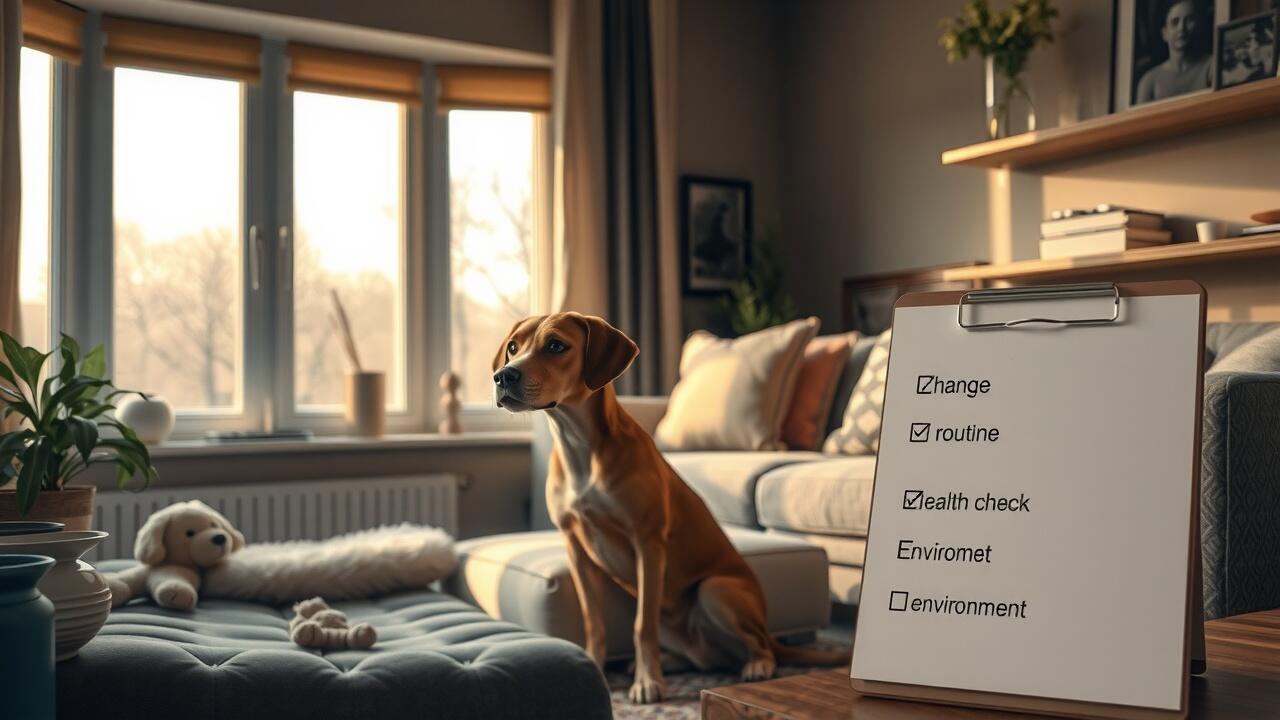
A safe and comfortable space is crucial for your dog, especially if you’ve noticed signs that make you question why your dog is avoiding you. Creating a designated area in your home where your dog can relax and feel secure helps establish trust. Incorporating comforting items, such as their favorite blanket or toys, can ease anxiety. If you are planning a gathering, like a dog-friendly backyard BBQ, ensure that the environment remains calm and enjoyable for your pet, minimizing the chances of them feeling overwhelmed.
Providing treats can also play a significant role in making your dog feel more at ease. Use treats to reward your dog for approaching you or engaging with you during calm moments. This positive reinforcement can help bridge any emotional gaps created by previous distance. Remember to regularly check for any health concerns, such as ticks or skin issues, which may contribute to your dog’s discomfort. Always refer back to the Why Your Dog Is Avoiding You (Checklist + What to Do Next) to gauge your progress in rebuilding your bond.
Engaging in Positive Reinforcement
Positive reinforcement is an effective method to rebuild your bond with your dog. By rewarding good behavior with treats, praise, or playtime, you encourage your dog to associate your presence with positive experiences. This approach can help you address the concerns outlined in “Why Your Dog Is Avoiding You (Checklist + What to Do Next).” Avoid using leash pressure as a negative tool; instead, focus on rewarding your dog for making progress and engaging with you.
Understanding the nuances of positive reinforcement can make a significant difference in decreasing your dog’s aversion. It is essential to pay attention to their body language and respond accordingly. Rewards should be given immediately after desired behaviors, reinforcing the connection between their actions and your encouragement. Following the insights found in “Why Your Dog Is Avoiding You (Checklist + What to Do Next)” can guide you in effectively implementing this strategy.
Implementing Training Exercises
Training exercises can significantly improve your relationship with your dog. These activities not only help to teach essential puppy life-skills but also create a positive environment for interaction. Engaging your dog in structured training can provide opportunities to address behaviors that may be contributing to the question of “Why Your Dog Is Avoiding You (Checklist + What to Do Next).” Focusing on fun and rewarding tasks will encourage your pup to remain close and attentive.
Implementing specific training scenarios can also alleviate stress and build confidence in shy or anxious dogs. Start with basic commands and gradually introduce more complex tricks that stimulate your dog’s mind. Consistency and patience during these sessions are key. Over time, both you and your dog can develop a deeper bond through successful training experiences, ultimately helping to answer the ongoing question of “Why Your Dog Is Avoiding You (Checklist + What to Do Next).”
Conclusion
Understanding why your dog is avoiding you is crucial for rebuilding your bond. Observing behavioral cues can reveal whether your dog is experiencing stress, health issues, or environmental changes. Dogs often generalize their experiences, and a negative encounter may influence their behavior toward you. This is especially true for senior dogs, who might be less adaptive to changes. The “Why Your Dog Is Avoiding You (Checklist + What To Do Next)” serves as a practical tool to evaluate the situation comprehensively. By addressing these factors and implementing positive strategies, you can foster a renewed sense of trust and connection with your canine companion.
FAQS
Why is my dog suddenly avoiding me?
Your dog may be avoiding you due to various reasons such as stress, health issues, changes in environment, or a shift in their routine. It’s essential to observe their behavior and look for signs that indicate the cause of their distance.
What are some common signs that my dog is avoiding me?
Common signs include hiding, turning away, not making eye contact, or showing signs of stress such as panting or excessive barking. Pay attention to these cues as they can indicate your dog is feeling uncomfortable or anxious.
How can I tell if my dog is experiencing health issues?
Signs of health issues may include changes in appetite, lethargy, unusual behavior, or visible discomfort. If you suspect health problems, it’s best to consult with a veterinarian for a thorough check-up.
What should I do if my dog is stressed or anxious?
To help a stressed or anxious dog, create a safe and comfortable space for them, engage in positive reinforcement, and consider implementing calming techniques or training exercises to rebuild trust and confidence.
How long does it take to rebuild a bond with my dog after they’ve been avoiding me?
The time it takes to rebuild your bond can vary based on the individual dog and the underlying issues. Consistent positive interactions and patience are key. Regular engagement and affection can help strengthen your relationship over time.
How can a dog owner determine if their dog is avoiding them due to specific situations or general behavior changes?
As a dog owner, it is essential to understand that your dog may avoid you for various reasons, which can include both specific scenarios and general behavior changes. OneMind Dogs emphasizes that dogs don’t generalize their experiences the same way humans do. Thus, if your dog seems to have issues in certain scenarios, it could be linked to past experiences or associations that your dog has formed. If you notice this behavior, observing the scenarios in which your dog ticks away from interaction can help you identify triggers and address them effectively.
What are some common scenarios in which your dog might avoid you, and how can a dog owner understand if these behaviors are indicative of broader issues?
As a dog owner, if you observe that your dog avoids you in certain scenarios, it may not just be a random reaction. Your dog might not respond as expected due to factors such as past experiences or stress. It’s important to recognize that certain situations can cause dogs to generalize their avoidance behavior. If your dog doesn’t engage during playtime or seems distant in familiar settings, these could be signals of discomfort or anxiety related to specific events.
In what ways can a dog owner identify if their dog is avoiding them based on different scenarios?
As a dog owner, it’s important to observe your dog’s behavior across various scenarios to understand why your dog might be avoiding you. Changes in your dog’s behavior could indicate stress or discomfort. Dogs often generalize their feelings based on specific situations, so if your dog is avoiding you during particular scenarios, it may help to reflect on recent changes in their environment or routine that could be causing this behavior.
How can a dog owner differentiate between specific scenarios in which your dog is avoiding them and general behavior concerns?
A dog owner can identify whether your dog is avoiding them due to specific scenarios or broader issues by observing behaviors in different contexts. For instance, a dog may avoid you in stressful situations, such as loud noises or new environments, which can be seen as generalizing avoidance behavior. By analyzing these scenarios, dogs may show signs of discomfort or anxiety, helping the dog owner understand underlying problems.
How can a dog owner identify if their dog is avoiding them in various scenarios?
A dog owner can observe specific behaviors that indicate why your dog might be distancing themselves. It’s essential to note the different scenarios dogs find stressful or unsettling. For instance, a dog may generalize avoidance based on past experiences, so understanding the context is crucial for addressing the issues properly.
How can a dog owner understand if your dog is avoiding you due to stress or anxiety rather than general behavior changes?
A dog owner can determine if your dog is avoiding you because of stress or anxiety by observing specific behaviors such as cowering, hiding, or showing signs of fear when approached. Additionally, you may notice that these behaviors occur in particular situations, indicating that the avoidance is not just a dog generalize but tied to specific stressors. Monitoring your dog’s body language and reactions in various contexts will help you make a clearer distinction.
What can a dog owner do if they notice that your dog is avoiding them consistently?
If a dog owner notices that your dog is avoiding them consistently, it is important to assess the situation for any underlying stress or anxiety, and to make sure to create a comfortable environment where your dog feels safe and secure.
How should a dog owner respond if they feel that your dog is showing signs of avoidance?
If a dog owner notices that your dog is displaying signs of avoidance, it’s important to approach the situation with patience and understanding. First, assess the environment for any potential stressors or triggers that could be causing this behavior. Try to create a safe and calm space for your dog, and engage in gentle, positive interactions to rebuild trust. Consistency and positive reinforcement can help your dog feel more secure and less likely to avoid interactions in the future.
What steps can a dog owner take to improve their relationship if they notice that your dog is avoiding interaction?
If a dog owner observes that your dog is avoiding interaction, it’s essential to address the underlying issues. Start by creating a safe and calm environment for your dog, using positive reinforcement to encourage engagement. Spend quality time together, using treats and toys to foster a sense of trust. Additionally, be patient and observant of your dog’s body language, as this can provide insights into their comfort levels and help strengthen the bond between you.
What are some signs that indicate a dog owner should be concerned if your dog becomes increasingly distant?
If a dog owner notices changes in behavior such as avoidance, lack of engagement, or reluctance to approach, it may be a sign that your dog is feeling stressed or anxious. Understanding these signs is crucial for a dog owner to create a comforting environment for your dog and strengthen your bond.