Training Exercises to Implement
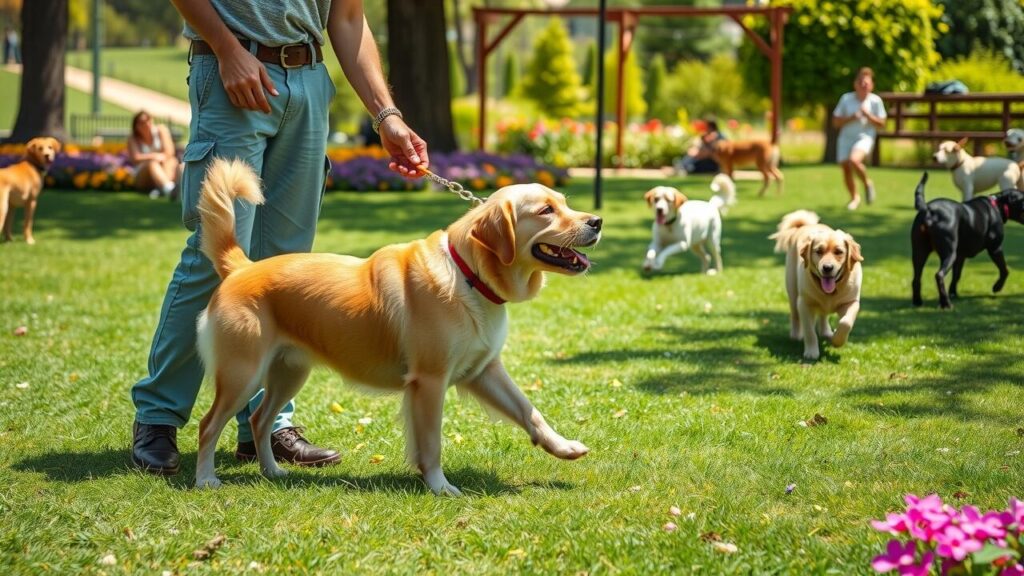
Implementing effective training exercises is essential in helping your dog manage reactivity. Start with basic commands like “sit,” “stay,” or “down.” These foundational skills will improve your dog’s focus and create a structure for responses to various stimuli. Incorporating these commands into daily routines will reinforce desired behaviors and strengthen your bond. Regular practice in distraction-rich environments can also enhance your dog’s performance and confidence.
Incorporate controlled exposure to the triggers that evoke reactivity. Begin at a distance where your dog feels comfortable. Use treats or toys to redirect their attention when they encounter these triggers. Gradually decrease the distance over time, ensuring that your dog remains calm and engaged. This method encourages positive associations with previously feared stimuli, fostering a more relaxed demeanor during encounters.
Using Positive Reinforcement
Positive reinforcement is a powerful tool in addressing canine reactivity. By rewarding your dog for calm behavior, you can create a positive association with the stimuli that typically trigger a reactive response. This approach encourages your dog to engage in desirable behavior instead of reacting negatively. Treats, praise, or toys can serve as effective rewards, reinforcing good behavior when your dog remains calm in the presence of distractions.
Implementing this technique requires consistency and timing. Whenever your dog encounters a potentially reactive situation, observe closely and reward for any signs of calmness, even if they are minimal. Start from a distance where your dog feels safe and gradually reduce the distance as they become more comfortable. This method not only builds confidence but allows your dog to learn that calm behavior results in positive outcomes.
Consulting a Professional
When faced with a dog exhibiting reactive behaviors, it can be beneficial to seek professional guidance. Trainers and behaviorists possess the expertise to assess your dog’s specific situation and design a tailored plan. They can offer valuable insights into the underlying causes of reactivity, which often stem from fear, anxiety, or lack of socialization. Engaging with a professional helps ensure that the strategies implemented are effective and safe.
Choosing the right professional is crucial. Look for trainers or behaviorists who use positive reinforcement techniques and have experience in managing reactivity. It is important to ask about their qualifications and past successes with similar cases. A good professional will not only provide strategies to manage your dog’s reactivity but will also equip you with the necessary skills to reinforce those behaviors effectively over time.
When to Seek Help from a Trainer or Behaviorist
Recognizing when to seek assistance is crucial for addressing your dog’s reactive behavior. If you notice persistent patterns of aggression, fear, or anxiety that do not improve with basic training techniques, it may be time to consult a professional. Signs that indicate a need for help include excessive lunging, barking, or growling at people or other animals. A qualified trainer or behaviorist can provide tailored strategies that fit your dog’s specific needs.
In some cases, reactivity may stem from deeper behavioral issues that require expert intervention. If your dog reacts negatively in various situations, such as during walks or at home with visitors, specialized help can facilitate effective change. Trainers and behaviorists offer insights that go beyond standard methods, helping you understand the root causes of your dog’s behavior. Establishing a professional relationship can lead to a more harmonious living environment for both you and your pet.
Gradual Desensitization
This approach involves slowly introducing your dog to the stimuli that trigger their reactivity. Start at a distance where your dog remains calm, allowing them to observe without feeling threatened or anxious. As your dog becomes more comfortable, gradually reduce the distance between them and the triggering stimulus. Consistency is essential; repeated exposure helps your dog learn to manage their reactions over time.
Employing positive reinforcement during this process is crucial. Reward your dog with treats or praise whenever they remain calm in the presence of the trigger. This serves to create a positive association with the previously anxiety-inducing stimuli. Patience is key, as progress may take time. Each dog’s timeline will vary based on their temperament and past experiences.
Step-by-Step Process for Reducing Reactivity
Identify triggers that cause your dog to react. This can include loud noises, specific animals, or certain situations. Monitor your dog’s body language to recognize the signs of stress or agitation. Once you have a clear idea of what prompts these reactions, you can begin to create a structured plan to address them.
Begin with controlled exposure to these triggers from a distance where your dog feels safe. Utilize positive reinforcement techniques, rewarding calm behavior with treats or praise. Gradually reduce the distance to the trigger over time, ensuring that your dog remains comfortable at each stage. Consistency in this approach is essential, as it helps your dog build confidence and learn that they can remain calm in previously anxiety-inducing situations.
FAQS
What should I do immediately after my dog reacts to another dog or person?
Immediately remove your dog from the situation if it’s safe to do so, and try to calm them down. Avoid yelling or punishing them, as this can exacerbate their anxiety or reactivity.
How can positive reinforcement help with my dog’s reactivity?
Positive reinforcement involves rewarding your dog for calm behavior, which can help create positive associations with the situations or stimuli that trigger their reactivity. This can include treats, praise, or toys.
When should I consider consulting a professional trainer?
If your dog’s reactivity is severe, persistent, or if you are unsure about how to address it safely, it’s best to consult a professional trainer or behaviorist who specializes in canine behavior.
What is gradual desensitization, and how does it work?
Gradual desensitization is a process where you slowly expose your dog to the triggers of their reactivity at a distance they can handle, gradually decreasing the distance over time while rewarding calm behavior, to help them become less sensitive to those triggers.
How long does it take to reduce my dog’s reactivity using these methods?
The timeline can vary greatly depending on the individual dog, the severity of their reactivity, and the consistency of training. Some dogs may show improvement within weeks, while others may take several months or longer. Consistency and patience are key.
Related Links
Train Your Dog Not to Bark at Other Dogs (Step-by-Step Plan)
Threshold Distance Explained in dog training (The Secret to Reactivity Progress)
Emergency U-Turn dog + “Let’s Go” Cue (Stop Blowups Fast)
Engage–Disengage Game with your dog (Simple Counterconditioning)