How to Train Dogs with Positive Emotions for Lasting Results
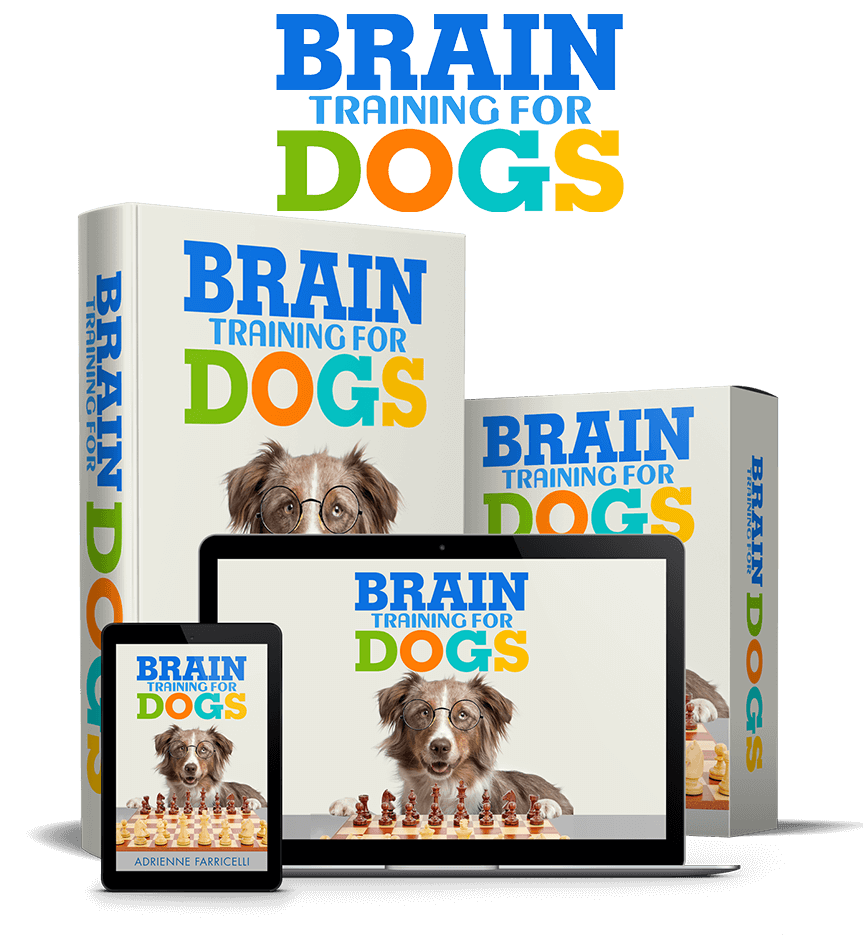
Brain Training For Dogs
Looking for an honest, in-depth look at Brain Training For Dogs? Below you’ll find a full review, but you can also check out the official page here:
Training your dog using positive emotions is a powerful way to build trust, encourage learning, and foster a happy, obedient companion. Unlike traditional methods that rely on force or punishment, reward based training taps into your dog’s natural motivation and intelligence, making the process enjoyable for both of you. In this article, we explore effective strategies to train dogs with positive emotions, including practical dog motivation techniques and tips for happy dog training.
Disclosure: As an affiliate, I may receive a commission if you purchase through links on this page at no cost for you.
Why Positive Emotion Training Works Better
Dogs thrive when they feel safe, loved, and motivated. Training methods that focus on positive reinforcement—such as treats, praise, or play—help your dog associate learning with joy. This approach creates a strong bond and reduces stress or fear during training sessions.
- Builds Trust: Positive training fosters a trusting relationship where your dog willingly follows commands.
- Enhances Learning: Dogs learn faster when motivated by rewards rather than fear or punishment.
- Improves Behavior: Encouraging good behavior with rewards decreases problem behaviors like barking or chewing.
By focusing on your dog’s emotional well-being, you create a foundation for lifelong obedience and happiness.
Core Principles of Reward Based Training
Reward based training centers on reinforcing desired behaviors immediately after they occur. This helps your dog understand exactly what you want and motivates them to repeat the behavior.
Key Elements Include:
- Consistency: Always reward your dog for the specific behavior you want. Inconsistent rewards can confuse your dog.
- Timing: Deliver rewards promptly to help your dog connect the behavior to the reward.
- Variety of Rewards: Use treats, toys, praise, or affection to keep your dog engaged and excited.
- Clear Communication: Use verbal cues and body language consistently so your dog understands commands.
When implemented correctly, reward based training cultivates a positive learning environment that encourages your dog to cooperate eagerly.
Effective Dog Motivation Techniques for Positive Training
Different dogs are motivated by different rewards. Understanding your dog’s preferences helps you tailor training sessions to maximize success.

| Motivation Type | Description | Examples |
|---|---|---|
| Food Rewards | Using tasty treats to encourage desired behaviors. | Small pieces of chicken, cheese, or commercial dog treats |
| Play Rewards | Incorporating favorite toys or games as incentives. | Fetch, tug-of-war, or a favorite squeaky toy |
| Social Rewards | Praise and affection to reinforce good behavior. | Verbal praise, petting, or belly rubs |
Try combining multiple motivation types to keep your dog interested and responsive during training.
Steps to Train Dogs with Positive Emotions
Follow these actionable steps for an effective, emotion-focused training routine:
- Start with Basic Commands: Teach simple commands like “sit,” “stay,” and “come” using treats and praise.
- Keep Training Sessions Short and Fun: Limit sessions to 10-15 minutes to maintain your dog’s enthusiasm.
- Use Clear Signals: Pair verbal commands with hand gestures for better understanding.
- Reward Immediately: Give your dog a reward right after the correct behavior to reinforce learning.
- Gradually Increase Difficulty: Once your dog masters basic commands, introduce distractions or longer durations.
- Be Patient and Consistent: Every dog learns at their own pace; persistence pays off.
Remember, the goal is to make training a positive experience that strengthens your bond and encourages your dog to listen happily.
How Brain Training For Dogs Enhances Positive Emotion Training
Brain Training For Dogs by Adrienne Farricelli is a scientifically-backed online program designed to unlock your dog’s hidden intelligence through mental stimulation and reward based methods. This system emphasizes happy dog training by engaging your dog’s mind with puzzles and games that make learning fun and effective.
Benefits of this program include:
- Eliminating bad behaviors by addressing root causes
- Increasing obedience through mental challenges
- Strengthening the emotional connection between you and your dog
- Using gentle, force-free techniques supported by research
By incorporating brain training exercises, you tap into your dog’s natural motivation, making positive training even more impactful.
Discover Brain Training For Dogs
Tips to Maintain a Happy Dog Training Environment
To ensure ongoing success with positive emotion training, keep these tips in mind:
- Stay Calm and Positive: Your dog picks up on your emotions. Keep training upbeat and stress-free.
- Celebrate Small Wins: Recognize progress, no matter how minor, to build confidence.
- Avoid Punishment: Negative consequences can create fear and damage your relationship.
- Adjust to Your Dog’s Needs: Some dogs need more frequent breaks or different rewards.
- Practice Regularly: Consistent training sessions keep your dog’s skills sharp.
Conclusion: Build a Lasting Bond Through Positive Emotion Training
Training dogs with positive emotions is not just about obedience—it’s about nurturing a joyful, trusting relationship that lasts a lifetime. By using reward based training and proven dog motivation techniques, you transform training from a chore into an enjoyable bonding experience.
If you want to elevate your training and unlock your dog’s full potential, consider exploring comprehensive programs like Brain Training For Dogs that emphasize mental engagement and positive reinforcement.
Start Training with Positive Emotions Today
Ready to Take the Next Step?
If Brain Training For Dogs sounds like the right fit after reading this review, you can visit the official page and see all the details straight from the vendor.