Practical Scenarios for Using the “Let’s Go” Cue
When walking your dog, unexpected distractions can arise. A squirrel darting across the path or another dog barking can provoke excitement or anxiety. Using the “Let’s Go” cue in these moments encourages your dog to refocus and continue moving forward. This proactive approach helps maintain control over the situation and prevents unnecessary outbursts.
During training sessions, the “Let’s Go” cue can also be beneficial. If your dog fixates on an enticing object or person, giving this command redirects their attention back to you. By reinforcing this behavior, you cultivate a stronger bond and enhance their ability to listen in various environments. Regular practice of this cue turns it into a reliable tool for managing distractions effectively.
Real-Life Examples of When to Use It
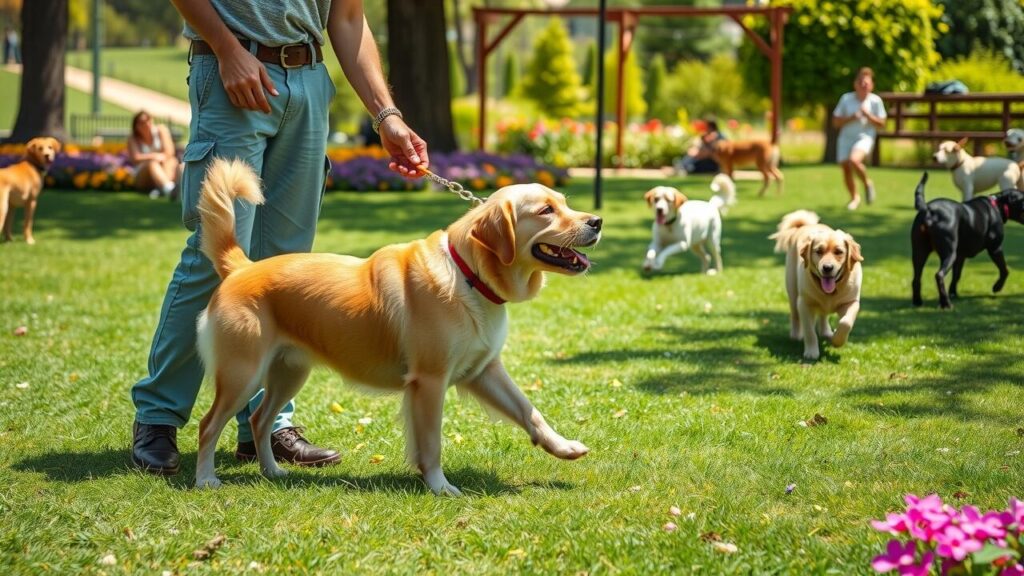
When walking your dog in a busy park, distractions such as other dogs or people can lead to heightened excitement or potential pull towards those stimuli. Using the “Let’s Go” cue promptly refocuses your dog’s attention on you, guiding them away from the distraction. This technique is effective in preventing a potential blowup that could disrupt the walk and create a stressful environment for both you and your pet.
During a family gathering, unexpected noises or movements may trigger your dog’s instinct to bark or react anxiously. Implementing the “Let’s Go” cue in these situations helps calm your dog and redirects their focus back to you. It’s crucial to practice this cue in varied environments so your dog learns to respond consistently, even amidst chaos.
Troubleshooting Common Challenges During Training
Training a dog comes with its own set of challenges. Common issues include resistance to commands and heightened levels of distraction. It is essential to recognize these behaviors early and apply strategies to mitigate them. For instance, using the “Let’s Go” cue consistently can redirect a dog’s focus when they appear distracted. Positive reinforcement can help reinforce desired behaviors, making it clear to the dog what is expected.
Another challenge often encountered is a dog’s reluctance to comply with commands. This may stem from fear or lack of understanding. To address this, trainers should assess the dog’s environment for any triggers that may cause anxiety. Taking small, gradual steps can help build a dog’s confidence. Keeping training sessions short and engaging also helps maintain enthusiasm. Offering rewards, whether treats or praise, can further encourage cooperation and willingness to learn.
Addressing Resistance and Distracted Behavior
Resistance and distraction can significantly impede the training process. When a dog is overwhelmed by stimuli or feels uncertain, they may exhibit reluctance to respond to cues. This behavior often stems from a lack of understanding or reinforcement. Observing your dog in various scenarios allows you to identify triggers causing resistance. Once these triggers are recognized, modifying the environment or gradually desensitizing your dog to distractions can facilitate better focus during training sessions.
Using positive reinforcement consistently is essential to overcoming these challenges. Rewards like treats or praise can motivate your dog to engage with the training process, especially in distracting surroundings. While distractions are inevitable, gradually increasing their intensity can help reinforce the “Let’s Go” cue effectively. Creating a structured training schedule allows for consistent practice, which aids in building your dog’s confidence and responsiveness over time.
The Role of Consistency in Training
Consistency serves as the foundation for effective dog training. When commands are delivered with uniformity, dogs quickly grasp expectations and learn to respond reliably. Repeated practice in various environments reinforces the bond between the handler and the dog, establishing trust and mutual understanding. Consistency in both commands and reactions helps dogs connect their actions with outcomes, leading to improved behavior over time.
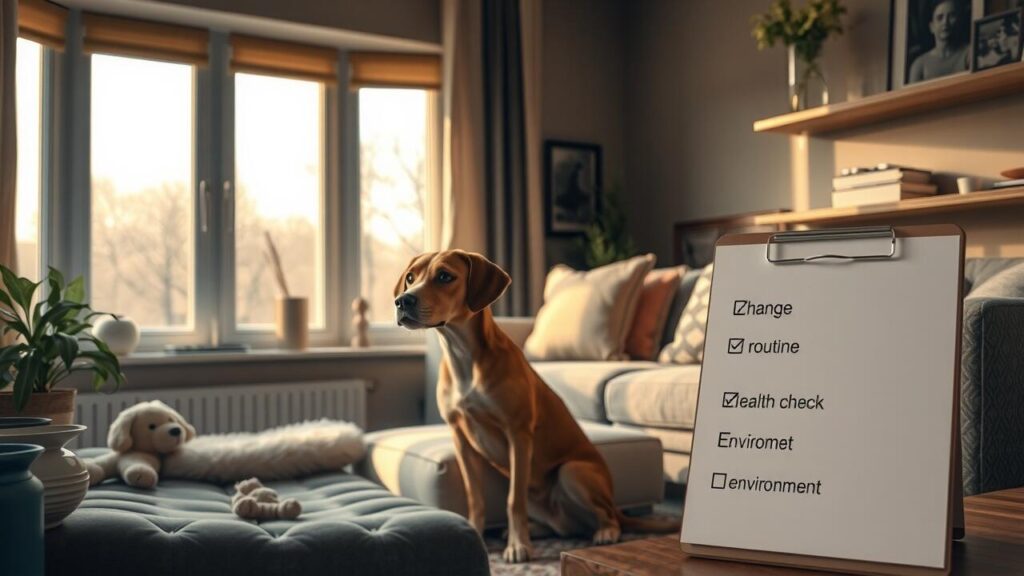
Establishing a routine greatly enhances learning opportunities. Training sessions should occur at regular intervals, helping dogs anticipate when they will engage in activities. Incorporating the “Let’s Go” cue during walks or playtime promotes familiarity, making it easier for dogs to associate the command with positive outcomes. This predictability not only aids retention of learned behaviors but also contributes to a more harmonious relationship between the dog and owner.
Establishing a Routine for Reinforcement
Creating a structured routine is essential for effective training. Dogs thrive on consistency, and having a set schedule helps reinforce the learned cues. This routine should include specific times for training sessions, walks, and play. Keep these sessions short and engaging to maintain the dog’s interest. Frequent, positive reinforcement during these times can solidify the behaviors you wish to encourage.
Incorporating the “Let’s Go” cue into daily activities can further bolster its effectiveness. Use the cue during walks when aiming to redirect attention or refocus the dog’s energy. Consistent application in various settings allows the dog to associate the cue with specific responses efficiently. Combining the cue with treats or praise helps reinforce its importance, making it easier for the dog to remember what to do in challenging situations.
FAQS
What is the “Let’s Go” cue in dog training?
The “Let’s Go” cue is a command used to redirect your dog’s attention and encourage them to move away from distractions, helping prevent potential blowups or unwanted behavior.
How do I teach my dog the “Let’s Go” cue?
Start by using the cue in a calm environment with minimal distractions. Use treats to reinforce the behavior when your dog responds to your command, gradually introducing distractions as they become more proficient.
What should I do if my dog resists the “Let’s Go” cue?
If your dog shows resistance, it’s important to remain patient and consistent. Try using higher-value treats, reducing distractions, or using a different location for training to help your dog associate the cue with positive outcomes.
How often should I practice the “Let’s Go” cue with my dog?
Regular practice is key to reinforcing the behavior. Aim for short training sessions several times a week, gradually increasing the complexity of the environment as your dog becomes more reliable with the cue.
Can the “Let’s Go” cue help with leash pulling or aggressive behavior towards other dogs?
Yes, the “Let’s Go” cue is effective in managing leash pulling and curbing aggressive behavior by redirecting your dog’s focus and encouraging them to move away from the trigger, ultimately promoting a calmer demeanor.
Related Links
Train Your Dog Not to Bark at Other Dogs (Step-by-Step Plan)
What to Do After Your Dog Reacts (So It Doesn’t Get Worse)
Threshold Distance Explained in dog training (The Secret to Reactivity Progress)
Engage–Disengage Game with your dog (Simple Counterconditioning)