Gradual Exposure
Dogs can become reactive due to fear or anxiety triggered by specific stimuli. Gradual exposure is an effective method to help dogs acclimate to these triggers. This technique involves presenting the dog with the stimulus at a distance where they remain calm. Over time, as the dog becomes more comfortable, the distance can be reduced. This slow and steady approach allows the dog to process their feelings without becoming overwhelmed.
Incorporating gradual exposure into training requires patience and consistency. Each session should aim to keep the dog below their threshold distance to avoid triggering a reactive response. Positive reinforcing behaviors, such as treats or praise, can enhance this process. As the dog learns to associate the presence of the trigger with positive outcomes, the likelihood of reactivity diminishes. Through repeated, controlled encounters, dogs will gradually build resilience towards their fears while also strengthening the bond with their handler.
The Process of Controlled Socialization
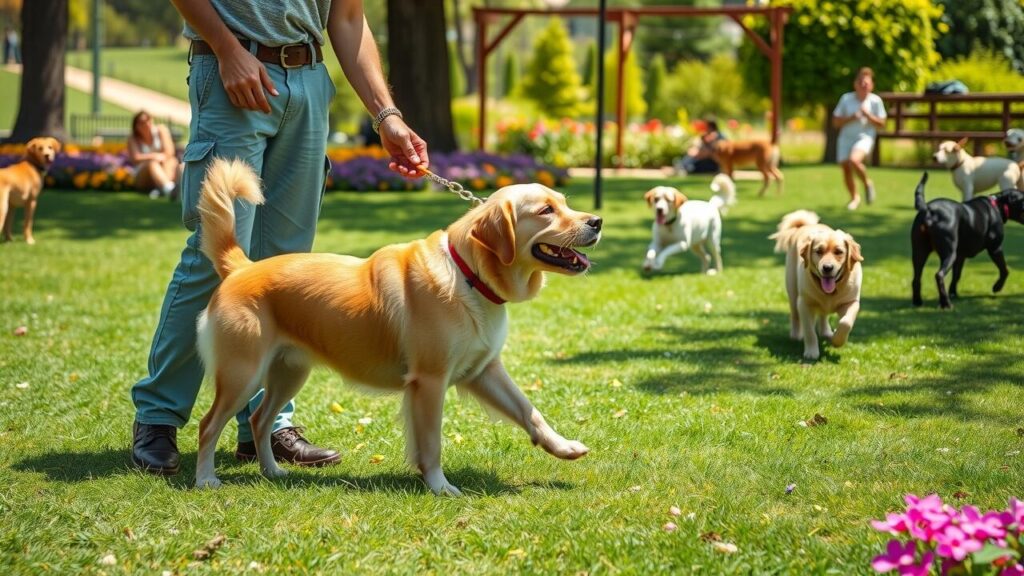
Controlled socialization requires a thoughtful approach to help dogs navigate their environment and interact positively with other animals and people. Beginning at a distance where the dog feels safe is essential. Gradually introducing them to different stimuli helps build their comfort levels. This process often involves observing their body language, allowing handlers to recognize signs of stress or discomfort early.
Sessions should be short and positive to maintain the dog’s interest and willingness to engage. Frequent breaks and plenty of encouragement foster a secure atmosphere. Each experience should be tailored to the individual dog’s needs, ensuring that socialization remains a rewarding process. This careful pacing builds trust and enhances overall confidence in various social situations.
Positive Reinforcement and Threshold Distance
Understanding threshold distance is essential for effective dog training. It refers to the specific proximity at which a dog feels comfortable and can remain calm when exposed to potential triggers. When a dog is within this distance, it is more likely to respond positively to commands and engage in desired behaviors. Using positive reinforcement within this framework helps the dog make associations between their calm demeanor and favorable outcomes, such as treats or praise.
Incorporating positive reinforcement at the appropriate threshold distance ensures that the dog remains within a manageable comfort zone. As training progresses, gradually decreasing this distance can help build the dog’s confidence and reduce reactivity over time. By rewarding calm behavior consistently, trainers create a positive emotional response, reinforcing the idea that being near triggers is not a threat. This approach lays a strong foundation for future training sessions, enhancing the trust between the dog and handler.
Building Confidence Through Reward-Based Training
Reward-based training establishes a positive association between the dog and the environment around them. When a dog encounters a stimulus that typically triggers anxiety or reactivity, offering treats or praise can help shift their focus from the source of stress to the rewarding experience. This method not only reinforces desired behaviors but also encourages the dog to engage with their surroundings in a more relaxed manner. Over time, this positive reinforcement can significantly reduce fear and promote a sense of safety.
Building a dog’s confidence is a gradual process that requires consistency and patience. Each time a dog responds positively to a potential trigger, it reinforces the notion that they are in control of their reactions. Celebrating small victories, such as a calm response to a passing dog, plays a crucial role in their emotional growth. Regular practice in low-stress environments can enhance this progress, ensuring that the dog feels supported as they learn to navigate situations that previously caused unease.
Common Mistakes in Reactivity Training
One frequent error in reactivity training is not paying close attention to the dog’s stress signals. Many trainers overlook signs of discomfort, believing that simply exposing the dog to triggering stimuli will lead to desensitization. This approach often backfires, causing increased anxiety and worsening the behavior rather than improving it. Recognizing when a dog is reaching its threshold is crucial for successful training and helps in adjusting the exposure level accordingly.
Another common pitfall involves pushing dogs too quickly into situations that exceed their comfort zones. Rapid exposure to overwhelming stimuli can cause a setback in training progress, leading to avoidance or aggressive reactions. Gradual introductions to new environments or triggers, accompanied by positive reinforcement, are essential for fostering confidence and promoting a sense of safety. Adhering to a pace that aligns with the dog’s individual needs enhances the effectiveness of reactivity training.
Avoiding Overexposure and Stress
Recognizing a dog’s limits is vital during training. Exposing your dog to various stimuli at a pace they can handle fosters a positive experience. Too much exposure to triggers can lead to heightened anxiety and increased reactivity. Instead of overwhelming your pet, gradual, controlled introductions to challenges within their learning environment helps them adapt without stress.
Monitoring your dog’s body language plays a crucial role in adjusting the training approach. Signs of discomfort, such as excessive panting, barking, or cowering indicate that the threshold distance has been exceeded. Reward-based methods encourage a calm response and reinforce desirable behaviors. Keeping sessions short and manageable not only aids comprehension but also maintains your dog’s enthusiasm and willingness to engage.
FAQS
What is threshold distance in dog training?
Threshold distance refers to the distance at which a dog starts to react to a stimulus, such as another dog or person. Staying below this distance helps prevent reactive behaviors during training.
How can gradual exposure help with my dog’s reactivity?
Gradual exposure involves slowly introducing your dog to triggers at a safe distance, allowing them to become desensitized over time without overwhelming them, which promotes positive associations.
What role does positive reinforcement play in managing threshold distance?
Positive reinforcement encourages desirable behaviors by rewarding your dog when they remain calm at a distance from their triggers, helping them learn to manage their reactions effectively.
What are some common mistakes to avoid during reactivity training?
Common mistakes include exposing your dog to triggers that are too close, failing to monitor their stress levels, and not using rewards effectively, which can lead to increased reactivity or stress.
How can I tell if I’m keeping my dog within their threshold distance?
Watch for signs of stress or agitation in your dog, such as growling, barking, or stiff body language. If your dog displays these behaviors, you may be too close to their threshold and should increase the distance.
Related Links
Train Your Dog Not to Bark at Other Dogs (Step-by-Step Plan)
What to Do After Your Dog Reacts (So It Doesn’t Get Worse)
Emergency U-Turn dog + “Let’s Go” Cue (Stop Blowups Fast)
Engage–Disengage Game with your dog (Simple Counterconditioning)