How to Reduce Dog Hyperactivity: Effective Strategies for Calm Excitable Dogs

Brain Training For Dogs
Looking for an honest, in-depth look at Brain Training For Dogs? Below you’ll find a full review, but you can also check out the official page here:
Dealing with a hyperactive dog can be challenging and exhausting. Dogs with excessive energy often display behaviors such as jumping, barking, chewing, and difficulty settling down. If you want to reduce dog hyperactivity and create a calmer environment for both you and your pet, understanding the root causes and applying consistent training techniques is essential.
Disclosure: As an affiliate, I may receive a commission if you purchase through links on this page at no cost for you.
Understanding Why Dogs Become Hyperactive
Hyperactivity in dogs often stems from a combination of factors including lack of physical exercise, insufficient mental stimulation, anxiety, or simply their natural breed tendencies. When a dog’s energy is not properly managed, it can manifest as excitable, uncontrollable behavior.
To calm excitable dogs, it’s important to address both their physical and mental needs. Without this balance, hyperactivity tends to worsen over time.
Key Techniques for Dog Energy Management
Managing your dog’s energy correctly is the foundation for reducing hyperactivity. Here are some practical steps:
- Regular Exercise: Ensure your dog gets daily walks, play sessions, or runs to burn off excess physical energy.
- Mental Stimulation: Engage your dog in brain games, puzzle toys, or training exercises to keep their mind active.
- Consistent Routine: Dogs thrive on predictability. A structured daily schedule helps reduce anxiety and excitement.
- Calm Environment: Create a quiet space where your dog can relax without distractions or overstimulation.
How Hyperactive Dog Training Can Help
Traditional dog training often focuses on obedience commands, but hyperactive dog training specifically targets the behaviors linked to high energy and overexcitement. This training approach includes:
- Impulse Control Exercises: Teaching your dog to wait patiently before acting, such as sitting calmly before greeting people.
- Focus Training: Using commands like “watch me” to improve your dog’s attention span and responsiveness.
- Positive Reinforcement: Rewarding calm and controlled behavior to encourage repetition.
By incorporating these methods, you help your dog develop self-control and reduce impulsive, hyperactive actions.
The Role of Mental Stimulation: Why Brain Training Matters
One of the most effective ways to reduce dog hyperactivity is to tap into your dog’s natural intelligence. Mental exercises can tire out your dog just as much as physical activity and help prevent boredom-related behaviors.
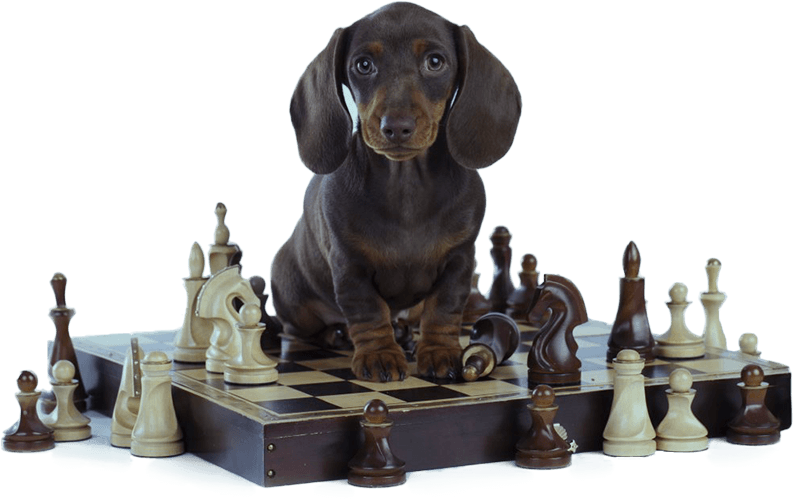
Brain Training For Dogs is an excellent program designed to unlock your dog’s hidden intelligence through fun and engaging puzzles and activities. This type of mental enrichment not only improves obedience but also decreases hyperactivity by providing a healthy outlet for your dog’s energy.
Benefits of Brain Training for Hyperactive Dogs
| Benefit | Impact on Hyperactivity |
|---|---|
| Improved Focus | Dogs learn to concentrate, reducing impulsive behaviors. |
| Enhanced Self-Control | Training builds patience and reduces excitability. |
| Reduced Boredom | Engaging activities prevent destructive or hyperactive behaviors. |
| Stronger Bond | Positive training fosters trust and cooperation. |
Step-by-Step Plan to Calm Your Hyperactive Dog
Follow these actionable steps to help your dog become calmer and more manageable:
- Assess Your Dog’s Energy Levels: Note when hyperactivity tends to spike—after meals, before walks, or during specific times of day.
- Increase Physical Exercise: Add an extra walk or playtime session if needed to help burn off excess energy.
- Introduce Mental Challenges: Start with simple brain games such as hiding treats or basic obedience commands, then progress to more complex puzzles.
- Practice Impulse Control: Teach your dog to sit and wait calmly before meals or playtime.
- Stay Consistent: Use the same commands and routines daily to build reliable behaviors.
- Reward Calmness: Give treats and praise when your dog remains calm, reinforcing the desired state.
- Use Tools Like Brain Training For Dogs: Consider professional programs designed to develop your dog’s intelligence and reduce hyperactivity.
Additional Tips for Managing Hyperactive Dogs
- Limit Overstimulation: Avoid chaotic environments that may trigger excitement.
- Provide Chew Toys: Redirect chewing behavior to appropriate items.
- Monitor Diet: Some dogs react to certain foods or additives with increased energy.
- Stay Patient: Behavioral changes take time; consistency is key.
When to Seek Professional Help
If your dog’s hyperactivity seems extreme or unmanageable despite your efforts, consulting a certified professional dog trainer or behaviorist is recommended. They can tailor a plan specific to your dog’s needs and help address any underlying issues such as anxiety or medical concerns.
Programs like Brain Training For Dogs offer structured guidance and support from experienced trainers, making it easier to implement effective dog energy management strategies at home.
Conclusion
Reducing dog hyperactivity requires a balanced approach of physical exercise, mental stimulation, consistent training, and patience. By understanding your dog’s needs and applying targeted techniques, you can transform an excitable dog into a calm and obedient companion.
Unlock your dog’s hidden intelligence and reduce hyperactivity effectively with proven methods like Brain Training For Dogs. Start today and experience a positive change in your dog’s behavior and your relationship.
Discover Brain Training For Dogs
Ready to Take the Next Step?
If Brain Training For Dogs sounds like the right fit after reading this review, you can visit the official page and see all the details straight from the vendor.