Incorporating Training Sessions
Regular training sessions play a crucial role in rebuilding trust with a nervous dog. Establishing a consistent routine helps the dog understand what to expect, creating a sense of security. Sessions should be short and positive, focusing on basic commands. Utilizing rewards such as treats or praise can reinforce good behavior. This approach builds a foundation of trust while also providing mental stimulation.
Incorporating a variety of training exercises can break the monotony and keep the dog engaged. Gradually introducing new commands can help the dog gain confidence in their abilities. This not only enhances obedience but also fosters a stronger bond between the dog and the owner. Patience and understanding remain essential elements during these sessions, acknowledging that progress may vary from one dog to another.
Basic Commands for Confidence
Teaching your dog basic commands can significantly boost their confidence levels. Start with simple commands like “sit,” “stay,” and “come.” These commands not only establish clear communication between you and your dog but also provide a sense of structure. Regular practice in a positive environment reinforces their understanding and builds their self-assurance. Use treats or praise as rewards, creating an enjoyable and motivating training experience.
Incorporating these commands into daily routines can help your dog feel more secure. For instance, practicing “sit” before meal times or “stay” before going out can create predictable situations. Consistency is essential to reinforce their learning. Over time, as your dog becomes more proficient, you’ll likely notice an increase in their confidence, making them feel more at ease in various situations.
Socialization with Other Dogs
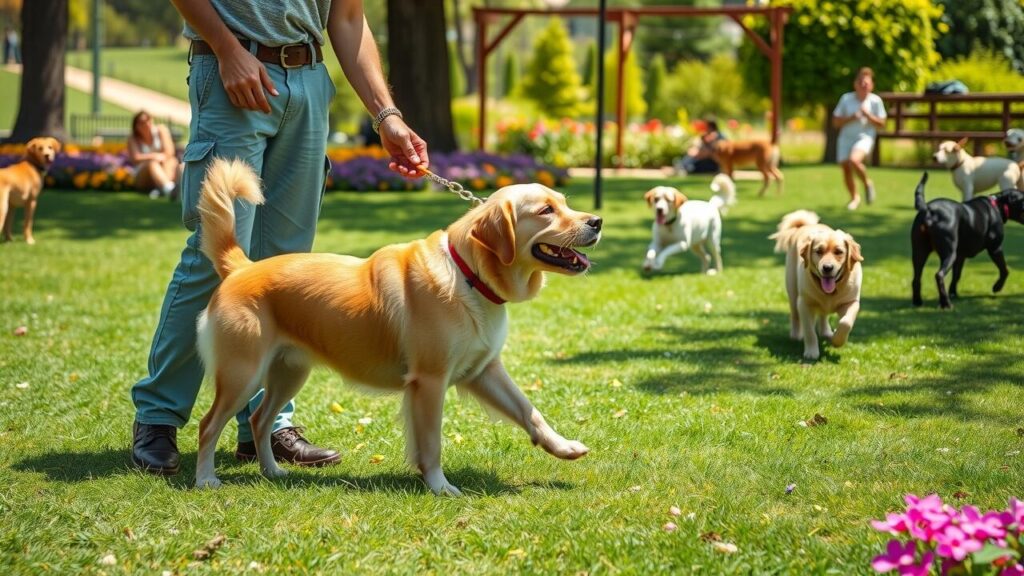
Introducing a nervous dog to other dogs is a gradual process that demands patience and understanding. It is essential to begin with controlled introductions, allowing the dog to observe other canines from a distance. This way, the nervous dog can become familiar with their presence without feeling overwhelmed. Watching their reactions helps gauge their comfort level and gradually builds confidence when it comes to closer interactions.
Once the dog shows signs of relaxation, short playdates with calm and well-socialized dogs can be beneficial. Choose environments that are safe and familiar to the nervous dog, minimizing the potential for anxiety. Supervised interactions in controlled settings allow for positive experiences, fostering trust in both their environment and the other dogs. This methodical approach builds meaningful social skills and reinforcing positive associations with dogs.
Controlled Introductions
Introducing a nervous dog to other dogs can be a delicate process. Start by selecting a calm and confident dog that has a friendly disposition. This choice will help create a positive atmosphere for the introduction. Begin in a neutral environment, such as a park or an open field, where both dogs can explore the area without feeling territorial.
Maintain a safe distance at first. Allow them to observe each other while on leashes, giving them time to acclimate to one another’s presence. Use soothing tones and positive reinforcement to reassure your dog throughout the encounter. Gradually decrease the distance between the two, ensuring that both dogs remain relaxed. If either dog shows signs of anxiety or discomfort, take a step back to allow for a more comfortable distance until they are ready to engage.
Engaging in Interactive Play
Interactive play offers an excellent opportunity to strengthen the bond between you and your nervous dog. Activities such as fetch or tug-of-war can help divert their attention from anxiety-inducing stimuli. Choose games that allow for gradual participation, keeping the environment calm and inviting. Encouraging slow-paced play at first can help your dog feel secure and more comfortable engaging with you and their surroundings.
Incorporating puzzle toys or treat-dispensing games can provide mental stimulation while fostering confidence. These activities encourage problem-solving and focus, with the added reward of treats providing positive reinforcement. Always pay attention to your dog’s body language during playtime. If they show signs of discomfort, it may be best to pause and redirect their attention to a more calming activity.
Fun Activities to Distract and Bond
Engaging in fun activities can create positive experiences for a nervous dog while building trust. Activities such as playing fetch or hide-and-seek not only capture attention but also encourage movement and exploration. Simple games can help the dog associate playtime with safety and enjoyment, fostering a sense of security in various environments.
Incorporating puzzle toys into your routine can also serve as an excellent distraction while enhancing mental stimulation. Time spent solving challenges together strengthens the bond between the dog and owner. This not only diverts from anxiety-triggering situations but also allows the dog to engage in rewarding experiences that promote confidence and comfort.
FAQS
What are some daily training sessions I can incorporate to help my nervous dog?
Incorporate short, positive training sessions that focus on basic commands such as sit, stay, and come. Keep sessions brief, around 5-10 minutes, to avoid overwhelming your dog and use plenty of treats to encourage positive reinforcement.
How can I help my dog build confidence through basic commands?
Teaching basic commands can help establish a sense of structure and predictability for your dog. When they successfully follow commands, they gain confidence. Start with simple commands and gradually increase the difficulty as your dog becomes more comfortable.
What is the best way to socialize my nervous dog with other dogs?
Controlled introductions are key. Begin by allowing your dog to observe other dogs from a distance where they feel safe. Gradually decrease the distance as your dog becomes more comfortable, and always remain calm and positive during interactions.
How should I conduct controlled introductions with other dogs?
Conduct controlled introductions by choosing a neutral area for the meeting. Keep both dogs on a leash and allow them to sniff each other while monitoring their body language. If either dog appears anxious or aggressive, give them space and try again later.
What types of interactive play can help bond with my nervous dog?
Engage in interactive games like fetch, tug-of-war, or hide-and-seek to build trust and strengthen your bond. Choose activities that your dog enjoys and feel comfortable with, and always use positive reinforcement to encourage participation.
Related Links
Why Your Dog Is Avoiding You (Checklist + What to Do Next)
Dog Avoiding You All of a Sudden: Stress, Pain, Fear Signals
Things You Do That Can Scare a Dog (Even If You Mean Well)
When to Call the Vet vs a Trainer (Quick Decision Guide)