How to Potty Train Dogs Effectively: A Step-by-Step Guide

Brain Training For Dogs
Looking for an honest, in-depth look at Brain Training For Dogs? Below you’ll find a full review, but you can also check out the official page here:
Potty training dogs effectively is one of the first and most important challenges new dog owners face. Whether you’re housebreaking puppies or training an older dog, consistent and positive methods are key to stop indoor accidents and establish good habits. This guide will walk you through practical steps for successful dog toilet training, common mistakes to avoid, and troubleshooting tips to keep you on track.
Disclosure: As an affiliate, I may receive a commission if you purchase through links on this page at no cost for you.
Why Proper Potty Training Matters
Housebreaking puppies or newly adopted dogs sets the foundation for a happy, clean home and a well-behaved pet. Without proper training, dogs can develop bad habits like indoor accidents, which cause frustration and stress for both owner and pet. Effectively potty training your dog also strengthens your bond and helps your dog understand household rules.
Step-by-Step Guide to Potty Training Dogs Effectively
1. Establish a Consistent Schedule
Dogs thrive on routine. Set regular times for feeding, potty breaks, and walks. Puppies especially need frequent trips outside—typically every 1-2 hours, after meals, naps, and play sessions.
2. Choose a Designated Toilet Area
Pick a specific spot outside where you want your dog to relieve themselves. Consistently taking your dog to this area helps them associate that spot with bathroom breaks.
3. Use Positive Reinforcement
When your dog successfully uses the toilet area, immediately praise them with enthusiastic words, petting, or treats. Rewarding good behavior reinforces the habit and encourages repetition.
4. Supervise and Confine When Necessary
Limit your dog’s access to the house when you can’t watch them closely. Use crates or confined areas to prevent accidents and teach bladder control. Dogs naturally avoid soiling their sleeping space.
5. Watch for Signs and Act Quickly
Learn to recognize when your dog needs to go out—sniffing, circling, whining, or pacing. Quickly take them to the designated toilet spot to prevent accidents.
6. Clean Accidents Thoroughly
If indoor accidents happen, clean the area with an enzymatic cleaner to remove odors that might attract your dog back to the same spot.
Common Mistakes to Avoid During Dog Toilet Training
- Inconsistent Schedules: Irregular feeding and bathroom times confuse your dog and delay training.
- Punishing Accidents: Scolding or punishing your dog for accidents can cause fear and anxiety, making training harder.
- Ignoring Signs: Missing your dog’s signals can lead to more accidents and frustration.
- Using Harsh Methods: Avoid force or dominance-based techniques; positive reinforcement is more effective and humane.
- Insufficient Supervision: Not watching your dog closely during training increases the chance of accidents.
Troubleshooting Potty Training Challenges
| Problem | Possible Cause | Solution |
|---|---|---|
| Frequent indoor accidents | Irregular potty schedule or missed signs | Increase supervision and take dog out more often |
| Dog ignores designated toilet area | Inconsistent use of toilet spot or distractions | Always bring dog to same spot and minimize distractions |
| Dog urinates in crate | Crate too large or dog left too long | Use appropriately sized crate and take dog out frequently |
| Dog resists going outside | Fear or negative associations with outdoors | Make outdoor time fun, use treats and praise |
Enhance Your Dog Toilet Training with Mental Stimulation
Potty training is just one part of raising a well-behaved dog. Mental stimulation improves your dog’s intelligence and responsiveness, making housebreaking puppies and stopping indoor accidents easier. Programs like Brain Training For Dogs use positive, science-backed techniques to unlock your dog’s natural intelligence. This approach not only speeds up potty training but also helps eliminate other behavioral problems.
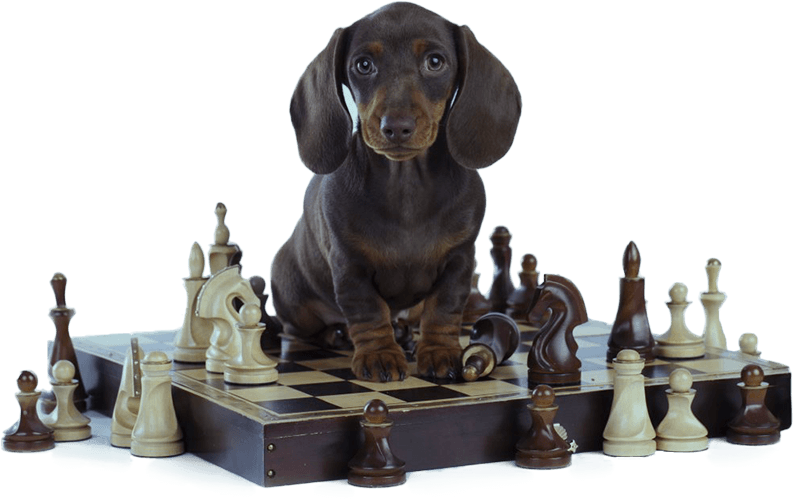
By engaging your dog’s mind with puzzles and exercises, you build a stronger bond and create a happier, more obedient pet. Combining mental training with consistent potty routines is a proven way to succeed.
Discover Brain Training For Dogs
Summary: Key Tips for Potty Training Dogs Effectively
- Keep a strict, consistent schedule for feeding and bathroom breaks
- Choose and always use the same outdoor toilet spot
- Use positive reinforcement with praise and treats
- Supervise your dog closely and confine when necessary
- Clean accidents thoroughly to prevent repeat behavior
- Combine potty training with mental stimulation exercises for best results
Potty training dogs effectively takes patience and consistency, but the rewards are worth it: a clean home, a happy dog, and a stronger bond. If you want to accelerate your training and tap into your dog’s hidden intelligence, consider exploring Brain Training For Dogs today.
Start Training Your Dog Smarter Now
Ready to Take the Next Step?
If Brain Training For Dogs sounds like the right fit after reading this review, you can visit the official page and see all the details straight from the vendor.