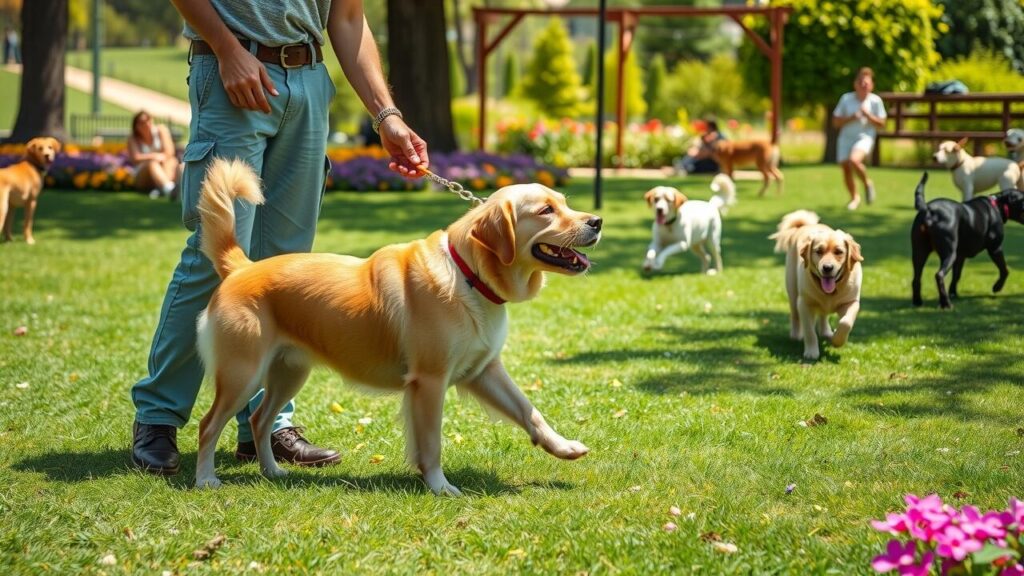
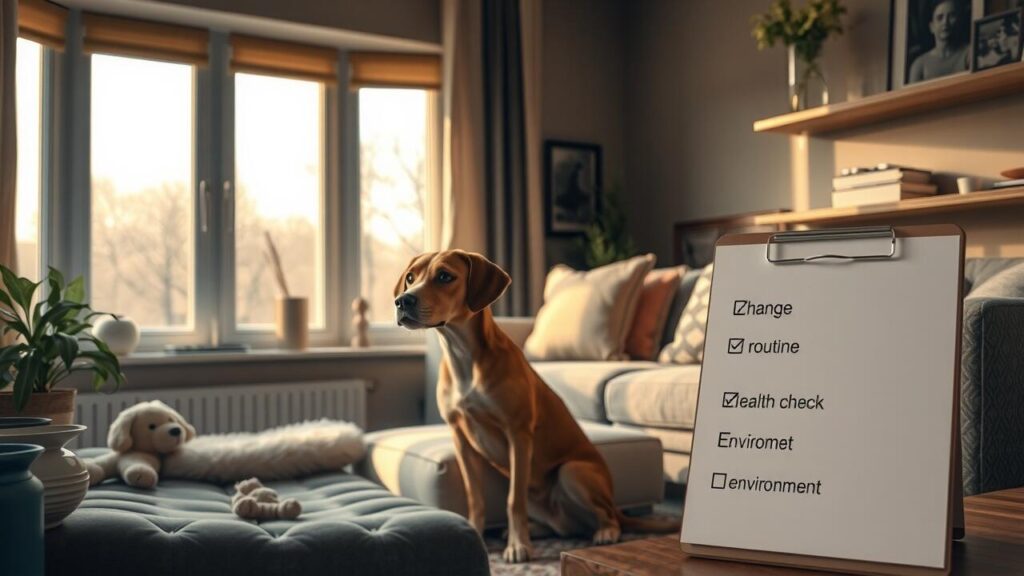
Recognizing Signs of Disengagement
Understanding when a dog is disengaging is essential for successful training. Signs may include turning away from you, lowering the ears, or avoiding eye contact. A dog that is disengaging may also display a tense body posture or a wagging tail that seems stiff rather than relaxed. Recognizing these signals helps in adjusting your approach to maintain the game’s effectiveness.
It is important to be observant and responsive to your dog’s behavior during the engagement process. A sudden loss of interest can indicate that the stimuli around them have become overwhelming or that they need a break. Being attuned to these cues allows for timely adjustments, fostering a more positive experience. Learning to interpret these signals effectively will enhance your bond and improve overall communication with your dog.
Understanding Your Dog’s Body Language
Dogs communicate their feelings and intentions primarily through body language. Paying attention to tail position can provide insights into their emotional state. A wagging tail often indicates excitement or happiness, while a tucked tail can signal fear or discomfort. Similarly, ear position plays a crucial role; perked ears suggest curiosity or alertness, whereas flattened ears may indicate submission or anxiety. Observing these cues helps in determining when a dog is fully engaged or beginning to disengage.
Facial expressions also convey important messages. A relaxed mouth, with the lips slightly open, generally suggests a calm demeanor, while a tight mouth can indicate tension. Additionally, a dog’s eyes can be revealing. Soft, relaxed eyes are usually a sign of comfort, while dilated pupils or a hard stare might indicate stress or aggression. Understanding these subtle signals is essential for creating a positive and engaging experience for both the dog and the owner.
Adjusting the Game to Suit Your Dog
Every dog is unique, requiring customized approaches to their engagement level during playtime. Consider factors like age, energy level, and temperament when deciding how to adjust the game. For more energetic dogs, incorporating fast-paced runs and playful challenges can be beneficial. In contrast, calmer dogs might respond better to gentle interactions and slower-paced play, allowing them to engage without becoming overwhelmed.
Monitoring your dog’s reactions is essential to ensure they are enjoying the game. If they appear disinterested or uncomfortable, it may be necessary to modify the activity. Taking breaks can help refresh their interest. In addition, varying the types of rewards used during the game can help maintain their enthusiasm. By paying close attention to your dog, you can create an engaging experience that caters to their specific needs and preferences.
Tailoring Engagement Levels
Engagement levels should be tailored to match your dog’s individual temperament and energy. An active breed might thrive on a higher intensity of play, while a more laid-back dog may prefer lighter interactions. Pay attention to your dog’s responses during playtime. This can guide you on when to increase or decrease the game’s intensity. An overly excited dog may benefit from shorter play sessions, while calmer dogs can engage for longer periods.
It’s helpful to introduce a variety of stimuli to see what excites or motivates your dog. Different toys, varying distances for fetching, or even alterations in your own energy can influence your dog’s enthusiasm. Make adjustments based on their reactions to keep the game constructive. Recognizing when your dog is losing interest and scaling back accordingly creates a more enjoyable experience for both of you.
Common Mistakes to Avoid
One frequent mistake owners make is misjudging their dog’s comfort level during the game. It’s essential to be attentive to signs of stress or disinterest. Many dogs will exhibit subtle cues such as turning away, yawning, or licking their lips. Ignoring these signals can lead to a negative experience, making it crucial to adjust the game’s intensity or duration if you notice your dog disengaging.
Another common pitfall is overexertion. While enthusiasm is important, pushing a dog too hard can overwhelm them. Keeping sessions short and engaging helps maintain your dog’s interest. Allowing for ample breaks and rewards fosters a positive association with the game. Balancing engagement and relaxation creates a healthier, more enjoyable interaction for both you and your dog.
Ensuring a Positive Experience
A successful interaction between you and your dog relies heavily on creating an enjoyable atmosphere. Paying attention to your dog’s cues is crucial. Positive reinforcement, such as treats or praise, can enhance the experience when your dog actively engages or disengages in the game. This reinforces good behavior and maintains a supportive environment, allowing your dog to feel motivated and cared for.
Setting achievable goals is essential for fostering a positive outcome. Start with short play sessions, gradually increasing their duration based on your dog’s comfort level. This careful pacing helps avoid overwhelming your pet. Consistently monitoring energy levels during gameplay enables you to adjust strategies, ensuring that your dog remains engaged without becoming stressed.
FAQS
What is the Engage–Disengage Game?
The Engage–Disengage Game is a simple counterconditioning technique designed to help dogs learn how to engage with their environment in a positive way and disengage when they feel overwhelmed or stressed.
How can I recognize signs of disengagement in my dog?
Signs of disengagement may include turning away, tucking the tail, yawning, or showing disinterest in play. Understanding your dog’s body language is crucial to ensure they are comfortable during the game.
Can I adjust the Engage–Disengage Game based on my dog’s energy level?
Yes, you can tailor the engagement levels to suit your dog’s energy and comfort. Some dogs may need more frequent breaks, while others might thrive on continuous play. Pay attention to your dog’s reactions and adjust accordingly.
What are some common mistakes to avoid while playing the Engage–Disengage Game?
Common mistakes include not recognizing your dog’s signs of disengagement, pushing them too hard, or failing to provide positive reinforcement. Always aim for a positive experience and keep the game fun and stress-free.
How long should I play the Engage–Disengage Game with my dog?
The duration can vary depending on your dog’s attention span and comfort level. Start with short sessions of about 5-10 minutes and gradually increase the time as your dog becomes more comfortable with the game.
Related Links
Train Your Dog Not to Bark at Other Dogs (Step-by-Step Plan)
What to Do After Your Dog Reacts (So It Doesn’t Get Worse)
Threshold Distance Explained in dog training (The Secret to Reactivity Progress)
Emergency U-Turn dog + “Let’s Go” Cue (Stop Blowups Fast)