Dog Training for Stubborn Dogs: Effective Strategies to Overcome Persistent Behavior

Brain Training For Dogs
Looking for an honest, in-depth look at Brain Training For Dogs? Below you’ll find a full review, but you can also check out the official page here:
Training a stubborn dog can be one of the most challenging experiences for any dog owner. Unlike typical dog training, dog training for stubborn dogs requires patience, consistency, and specialized techniques that address persistent behavior issues. Whether your dog ignores commands, pulls on the leash, or exhibits other difficult behaviors, this guide will provide actionable advice and difficult dog training tips to help you succeed.
Disclosure: As an affiliate, I may receive a commission if you purchase through links on this page at no cost for you.
Understanding Stubbornness in Dogs
Stubbornness in dogs often stems from a mix of natural temperament, lack of mental stimulation, and inconsistent training methods. Stubborn dogs might seem willful or disobedient, but more often, they are confused or unmotivated by traditional training techniques. The key to success lies in engaging your dog’s mind and using persistent dog behavior solutions that fit their unique personality.
Why Traditional Training May Fail
- Many programs rely on outdated dominance or force-based methods, which can increase anxiety and resistance.
- They often focus only on suppressing behaviors rather than addressing root causes.
- They lack mental engagement, which is essential for intelligent and persistent dogs.
To effectively train hard dogs, you need a system that develops your dog’s intelligence and motivation, turning stubbornness into cooperation.
Key Difficult Dog Training Tips for Stubborn Dogs
Here are practical tips to help you train a stubborn dog more effectively:
- Be Consistent: Use the same commands and routines every day. Inconsistency confuses your dog and delays progress.
- Use Positive Reinforcement: Reward good behavior with treats, praise, or playtime. This encourages your dog to repeat desired actions.
- Short, Frequent Sessions: Keep training sessions brief (5-10 minutes) but repeat them multiple times daily to maintain focus and prevent frustration.
- Mental Stimulation: Incorporate brain games and puzzles to engage your dog’s intelligence. Mental challenges reduce boredom and destructive behaviors.
- Clear Communication: Use simple commands and body language. Avoid confusing your dog with mixed signals.
- Patience and Calmness: Stubborn dogs can sense frustration. Stay calm and patient to build trust and encourage learning.
Persistent Dog Behavior Solutions: Unlocking Your Dog’s Hidden Intelligence
One of the most effective ways to train hard dogs is by focusing on their mental abilities. Dogs, like humans, benefit from mental exercise which enhances their capacity to learn and obey.
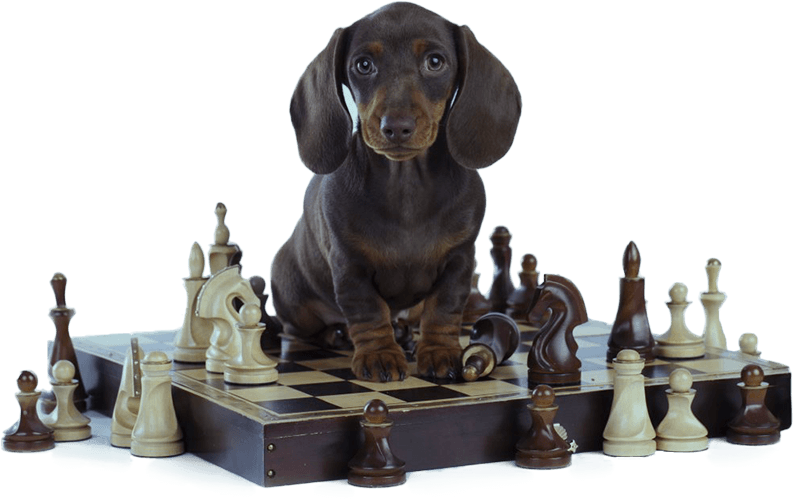
Brain Training For Dogs is an approach designed to tap into your dog’s “hidden intelligence” through structured exercises and problem-solving games. This method helps reduce stubbornness by:
- Improving focus and attention
- Encouraging problem-solving skills
- Reducing anxiety and boredom-induced behaviors
- Strengthening the bond between owner and dog
By investing time in brain training, you can turn your difficult dog into an obedient, well-behaved companion.
How Brain Training Helps Stubborn Dogs
| Challenge Type | Benefit | Examples |
|---|---|---|
| Puzzle Games | Enhances problem-solving skills | Hide treats under cups, interactive feeders |
| Memory Exercises | Improves focus and retention | Recall commands with distractions |
| Impulse Control Tasks | Reduces hyperactivity and impulsiveness | “Wait” and “Stay” commands with gradual delays |
Training Hard Dogs: Step-by-Step Approach
Use this simple framework to start training your stubborn dog effectively:
1. Assess Your Dog’s Behavior
Identify specific stubborn behaviors and triggers. Is your dog ignoring commands, pulling on leash, or reactive to stimuli? Understanding the problem is the first step.
2. Set Clear, Measurable Goals
Decide what success looks like. For example, “My dog will sit on command 8 out of 10 times” or “My dog will walk calmly on leash without pulling.”
3. Implement Brain Training Exercises
Incorporate mental challenges daily to stimulate your dog’s intelligence and reduce boredom-related behaviors.
4. Use Positive Reinforcement Consistently
Reward your dog immediately after desired behavior to reinforce learning.
5. Monitor Progress and Adjust
Track improvements and tweak training techniques based on your dog’s responses.
6. Seek Professional Guidance if Needed
If stubborn behaviors persist, a certified trainer can provide personalized advice tailored to your dog’s needs.
Additional Tips for Success
- Exercise your dog regularly to reduce excess energy that can fuel stubbornness.
- Keep training fun and engaging to maintain your dog’s interest.
- Avoid punishment-based training which can damage trust and worsen behavior.
- Be patient—stubborn dogs often need more time to adjust and learn.
Remember, every dog has the capacity to learn and improve with the right approach.
Start Transforming Your Stubborn Dog Today!
If you’re ready to tackle dog training for stubborn dogs with proven, science-backed methods, consider exploring Brain Training For Dogs. This program offers step-by-step guidance to unlock your dog’s intelligence and eliminate persistent behavior problems.
Discover Brain Training For Dogs
Conclusion
Training a stubborn dog is challenging but far from impossible. By combining consistency, patience, and mental stimulation, you can overcome difficult behaviors and build a stronger, happier relationship with your dog. Use the tips outlined above and consider brain training techniques to unlock your dog’s full potential and enjoy a well-behaved companion for years to come.
Ready to Take the Next Step?
If Brain Training For Dogs sounds like the right fit after reading this review, you can visit the official page and see all the details straight from the vendor.