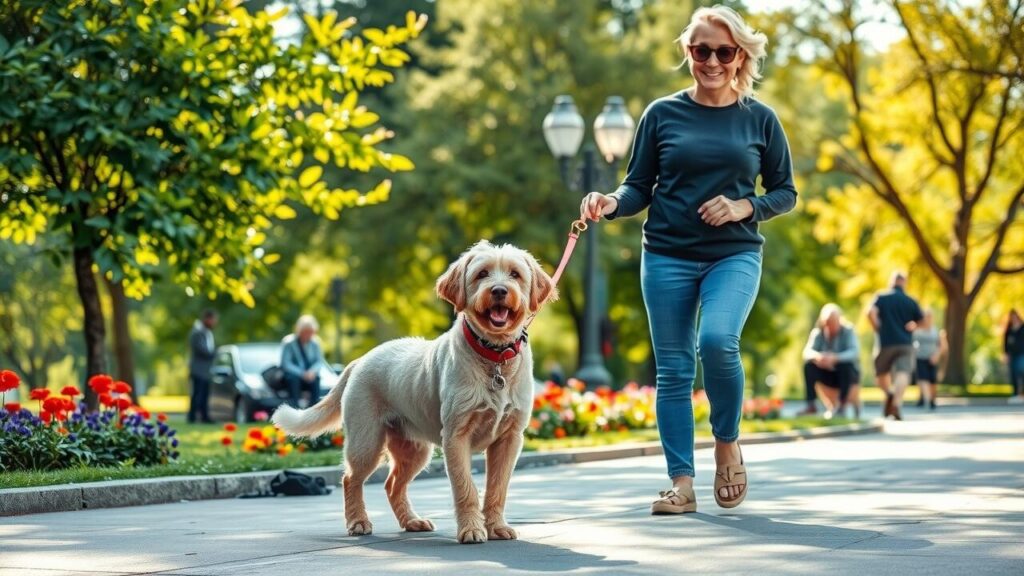
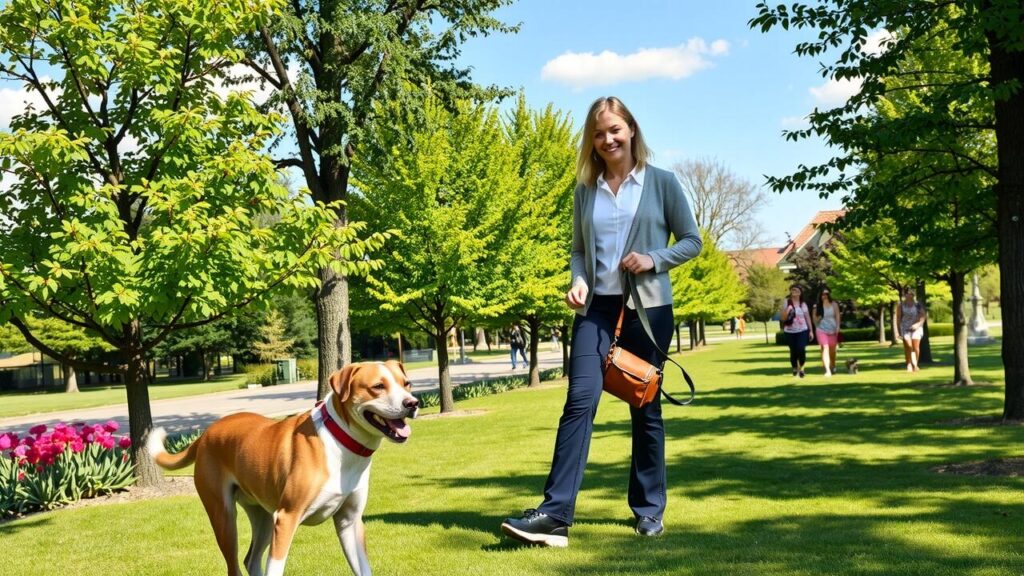
Key Takeaways
- Recognizing the significance of leash training for dogs’ well-being and behavior.
- Methods for successful leash training to ensure a calm walking experience.
- Procedures to attain relaxed-leash walking for a more enjoyable outing.
- Frequent obstacles faced during leash training and how to overcome them.
- Sustaining a tranquil walking atmosphere for both dog and owner.
- Encouraging positive actions while out on walks to reinforce good habits.
- Interpreting canine body signals to enhance communication during walks.
- Addressing typical problems encountered in leash training for smoother experiences.
Leash Walking Training: Loose-Leash Walking For Dogs (No Pulling, No Stress) | Understanding the Importance of Leash Walking Training
Effective leash walking training is crucial for creating a harmonious relationship between a dog and its owner. Leash walking training: loose-leash walking for dogs (no pulling, no stress) can transform daily walks into enjoyable excursions. This type of training helps dogs learn to walk calmly on a leash, minimizing frustration for both the canine and the owner. Hiring skilled dog trainers can enhance the process, as they provide valuable techniques to encourage good behavior. A properly fitted leash is essential to facilitate this training, allowing dogs to feel comfortable while learning new skills. By understanding the importance of leash walking training, owners can foster a relaxed and enjoyable walking experience for their beloved pets.
Leash Walking Training: Loose-Leash Walking for Dogs (No Pulling, No Stress) | Benefits of Loose-Leash Walking
Loose-leash walking offers a multitude of benefits for dogs and their owners. This technique transforms the experience into a more enjoyable outing, allowing dogs to explore their environment without the discomfort of pulling or tugging. Owners can appreciate a stress-free walk reminiscent of a stroll in a walk-in closet rather than a battle of wills. The relaxed pace enhances the bond between dogs and their caregivers while promoting good behavior and discipline during walks.
Training puppies and adult dogs in loose-leash walking can significantly impact their overall behavior. Engaging in effective leash walking training fosters trust and communication between the dog and owner, which is essential for a happy and well-adjusted pet. Animal shelters often emphasize the importance of this training, as it can increase a dog’s chance of adoption. Prioritizing loose-leash walking not only makes outings enjoyable but also contributes to a well-mannered canine companion.
The Impact of Pulling on Dog Behavior
Pulling during walks can significantly hinder a dog’s learning experience and overall behavior. Obedience training is essential for teaching puppies how to walk calmly on a leash. A harness can help reduce pulling by distributing pressure evenly, which may make walking more comfortable for the pet. Dogs that pull often miss out on opportunities to engage in sniffing or other enjoyable activities during their time outside. This can lead to frustration for both the dog and the owner, impacting the bond that develops through Leash Walking Training: Loose-Leash Walking for Dogs (No Pulling, No Stress).
Behavioral issues may arise if pulling becomes a habitual response during walks. Dogs may become overly excited or anxious, especially during activities such as jogging where the fast pace can exacerbate their instinct to pull. This behavior can create a cycle of stress and chaotic walks that detracts from the enjoyable experiences that should come from outdoor time. By prioritizing Leash Walking Training: Loose-Leash Walking for Dogs (No Pulling, No Stress), owners can help address these behaviors and foster a more pleasant walking experience for both themselves and their pets.
Techniques for Effective Leash Walking Training
Effective leash walking training is essential for pet owners aiming to achieve loose-leash walking, where dogs can enjoy their walks without pulling or causing stress to either party. Choosing the right collar and leash is critical in this process, as they play a vital role in ensuring your animal feels comfortable and secure. Leash walking training: loose-leash walking for dogs (no pulling, no stress) focuses on building a strong connection between the dog and the handler. This training not only enhances the walking experience but also fosters a sense of control, making outings enjoyable for both the dog and its owner. Implementing consistent techniques will lead to success in achieving the desired loose leash walking behavior.
Preparing Your Dog for Training
Establishing a solid foundation for leash walking training is crucial for success. Proper preparation involves acclimating your dog to the equipment, particularly the leash. Using a soft, short leash initially can help keep your dog close while they learn to adjust to walking beside you. Gradually introducing a longer leash can provide more freedom, but ensuring that the dog understands the concept of loose leashes is key. This helps prevent leash pulling and promotes a more enjoyable experience for both pet and owner.
Another important aspect is to create a positive environment for training. Begin in a familiar area free from distractions to help your dog focus on the training. Using treats or toys can reinforce good behavior, especially when your dog walks on a loose leash. Ensuring that your dog associates the leash with positive experiences will make them more eager to engage in leash walking training. With consistent practice, leash walking can transform into a stress-free and enjoyable routine.
Essential Equipment for Loose-Leash Walking
Choosing the right equipment is crucial for successful leash walking training. A well-fitted harness can prevent discomfort and reduce the tendency to pull. A front-clip harness is particularly effective in guiding your dog back to you when the leash does tighten, promoting a slacked leash. This encourages effective leash management and helps reinforce positive behaviors during walks. With the right harness, training can become more enjoyable, allowing you to focus on leash walking training: loose-leash walking for dogs (no pulling, no stress).
The type and length of your leash also play a significant role in your training process. A standard six-foot leash offers enough length for movement while allowing you to maintain control over your dog. It discourages leash pulling and promotes a natural walking pace. Incorporating clickers or treat pouches can enhance your leash handling skills. These tools help you reward good behavior promptly, fostering an environment where your dog learns to stop leash pulling and enjoy relaxed walks.
Steps to Achieve Loose-Leash Walking
Successful leash walking training relies heavily on maintaining a slack leash. The goal is to achieve a position where there is consistent leash slack rather than experiencing leash tension caused by a tight leash. Using a 6-foot leash allows for optimal maneuverability and helps in promoting a light leash during walks. Training your dog to keep the leash loose not only encourages better behavior but also reduces stress for both the dog and the handler. Implementing the principles of leash walking training: loose-leash walking for dogs (no pulling, no stress) fosters a positive walking environment, transforming walks into enjoyable experiences rather than struggles.
Teaching Basic Commands for Loose Leash
Basic commands play a crucial role in Leash Walking Training: Loose-Leash Walking for Dogs (No Pulling, No Stress). Teaching commands such as “heel,” “sit,” and “stay” enables dogs to understand their desired behavior during dog walks. Practicing these commands helps prevent tight leashes and leash tightening. Consistent training during walks reinforces proper behavior, allowing dogs to respond better when distractions arise.
Utilizing commands effectively creates a foundation for a more enjoyable walking experience. Avoiding the use of retractable leashes during training walks can minimize confusion for your dog, making it easier to maintain focus. Opting for an extendable leash during later stages of training can promote freedom while still enforcing control. Mastering basic commands transforms dog walks into stress-free outings, aligning with the principles of Leash Walking Training: Loose-Leash Walking for Dogs (No Pulling, No Stress).
Reward-Based Training Methods
Reward-based training is essential in achieving success with leash walking training: loose-leash walking for dogs (no pulling, no stress). Positive reinforcement encourages dogs to associate good behavior with rewards. For instance, using a small treat or a favorite toy can motivate strong-pulling dogs to maintain a loose leash. Adjusting the leash connection ring and leash spool allows for easier movement, giving dogs the freedom to walk comfortably without feeling restricted.
Consistency in applying reward-based methods can significantly influence your dog’s behavior during walks. It’s crucial to reward your dog promptly when they walk beside you without pulling. This technique is particularly effective for mutts dog training, as it builds a positive relationship between the dog and the owner. By rewarding your dog right away when they exhibit desired behavior, you’ll foster better understanding and cooperation during leash walking training: loose-leash walking for dogs (no pulling, no stress).
| Behavior | Reward Type | Timing | Example |
|---|---|---|---|
| Walking beside owner | Treat | Immediate | Give a small treat when the dog walks next to you |
| No pulling on leash | Verbal Praise | Immediate | Say “Good job!” when the dog stays close |
| Short pauses in walking | Favorite Toy | After 5 seconds | Play with a favorite toy when the dog remains calm |
| Maintaining a loose leash | Clicker Training | Immediate | Click the clicker when the dog walks without tension |
Common Challenges in Leash Walking Training
Leash Walking Training: Loose-Leash Walking for Dogs (No Pulling, No Stress) presents several challenges that pet parents may encounter during their training process. Many dog trainers emphasize the importance of understanding your dog’s walking behavior, as their natural inclination to wander or pull can disrupt a peaceful walk. A pet parent can find it frustrating when their dog pulls excessively, turning a simple walk into a battle of wills. Recognizing that distractions are part of outdoor experiences, both the pet parent and dog need to learn to navigate these hurdles together. Effective training can transform these struggles into enjoyable walkies, fostering a connection that benefits both the pet parent and the dog.
Dealing with Distractions
Distractions can significantly impact the effectiveness of Leash Walking Training: Loose-Leash Walking for Dogs (No Pulling, No Stress). A professional dog trainer often emphasizes the importance of preparing your dog for various stimuli they may encounter during walks. It is crucial to start walking in quieter environments where few puppies or other dogs are present. This approach helps prevent dogs from becoming overly excited or fixated on distractions, allowing for a more focused training session aimed at fostering close-walking behavior.
During the actual walking part, it is essential to remain vigilant and proactive about managing distractions. If your dog becomes distracted, promptly redirect their attention back to you using treats or commands. This technique reinforces their focus and encourages them to maintain the loose-leash walking you desire. Consistent practice in diverse environments will help your dog become more resilient to distractions, ultimately leading to a more enjoyable walking experience for both of you while adhering to the principles of Leash Walking Training: Loose-Leash Walking for Dogs (No Pulling, No Stress).
Addressing Pulling Behavior
Pulling during walks can be a frustrating experience for both the pup and the owner. During Leash Walking Training: Loose-Leash Walking for Dogs (No Pulling, No Stress), it’s important to help your dog learn to walk beside you without the tension of pulling. For young pups and adult dogs alike, incorporating consistent training techniques can make distance walks more enjoyable and comfortable. A relaxed dog will naturally be more receptive to learning, leading to a harmonious walking experience.
To effectively address pulling behavior, focus on creating a clear understanding between you and your dog. Use positive reinforcement to encourage your dog to stay close during walks. This approach will help your pup develop a sense of security, making them comfortable with the leash. As your dog learns the desired behavior, progress can be made towards achieving that goal of Leash Walking Training: Loose-Leash Walking for Dogs (No Pulling, No Stress). Consistency and patience are key in ensuring successful outcomes.
| Training Technique | Description | Benefits |
|---|---|---|
| Positive Reinforcement | Reward your dog with treats or praise when they walk beside you without pulling. | Encourages good behavior and strengthens the bond between you and your dog. |
| Frequent Stops | Stop walking when your dog pulls, and resume only when the leash becomes loose. | Teaches your dog that pulling leads to a stop, reinforcing desired loose-leash walking. |
| Short Training Sessions | Keep training walks short and frequent to maintain your dog’s focus and enthusiasm. | Prevents fatigue and frustration, making training more effective and enjoyable. |
| Use of a Front-Clip Harness | A harness that clips in the front can help redirect your dog when they pull. | Reduces pulling force and promotes better control during walks. |
Maintaining a Stress-Free Walking Experience
Creating a positive environment during leash walking training is essential for both dogs and their owners. A relaxed atmosphere can significantly enhance the experience, making walks enjoyable rather than stressful. For an average dog, understanding the concept of Leash Walking Training: Loose-Leash Walking for Dogs (No Pulling, No Stress) sets the foundation for these pleasant outings. This method allows active dogs to explore their surroundings without the frustration for dog owners that comes from pulling. Training your dog to associate walks with positivity encourages better behavior and fosters a lasting bond. Remember to walk till your dog feels comfortable and relaxed, turning each walk into a rewarding experience that strengthens the connection between you and your pet.
Creating Positive Associations with the Leash
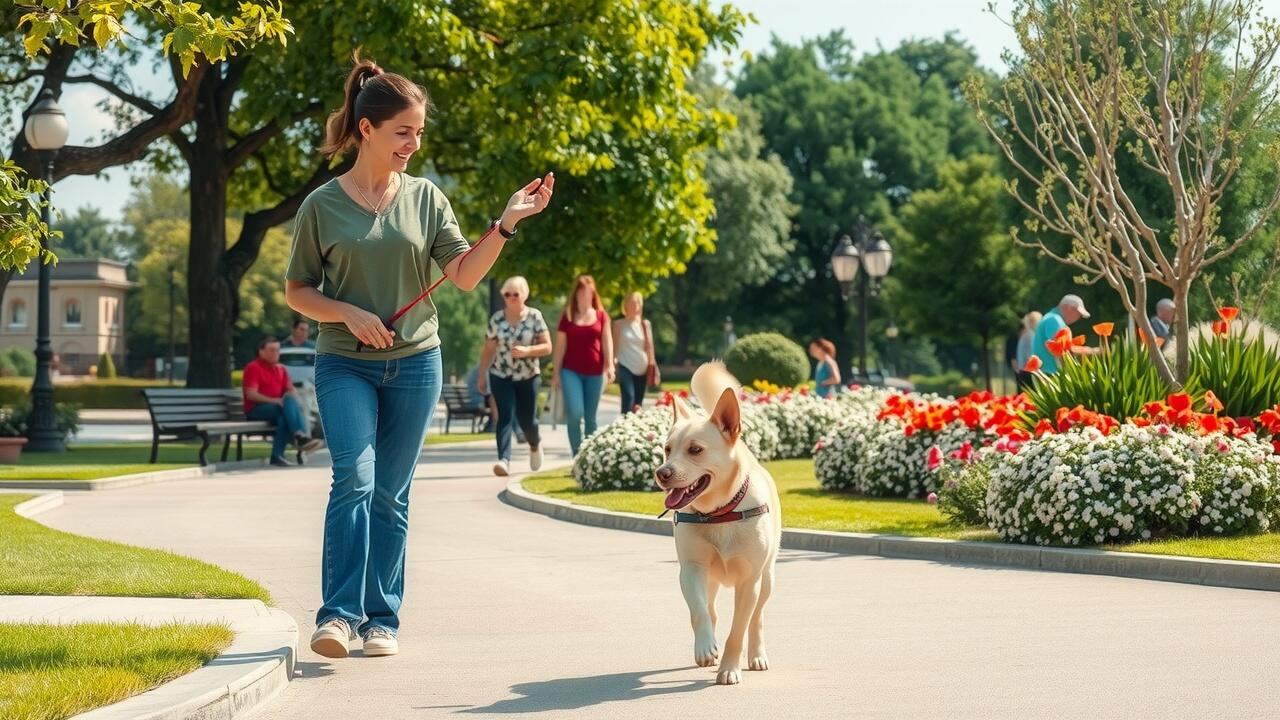
Establishing a positive relationship with the leash is essential for effective Leash Walking Training: Loose-Leash Walking for Dogs (No Pulling, No Stress). Start by allowing your new puppies to explore the leash in a relaxed environment. It’s important that your dog doesn’t feel restricted or anxious when they first encounter the leash. Gradually introducing the leash during playtime can make it an exciting experience. As your dog becomes comfortable, you can work toward more structured activities like going on an easy walk or a 4-5 mile walk.
As you foster these positive associations, reward your dog whenever they show calm behavior while wearing the leash. Incorporating treats or their favorite doggy things during these interactions can reinforce their comfort. Through patience and encouragement, your dog will begin to view the leash as a tool for fun and adventure, rather than a source of stress. This foundation is crucial for successful leash walking and will make the transition to confident walking a smooth experience.
Strategies for Relaxed Walks
Creating a calm environment for leash walking training encourages a more enjoyable experience for both the adult dog and its guardian. Taking the time to assess the surroundings before heading out for a stroll can significantly impact how well the dog feels about the walk. If the area is filled with distractions, such as other dogs or loud noises, it may be more challenging for the dog to stay relaxed. By opting for quieter locations and avoiding busy streets, dog guardians can foster a sense of security that promotes nice walks without pulling.
To help the dog turn its focus to the leash walking training, incorporating regular breaks during the stroll will make the experience more pleasurable. Allowing the dog to sniff around or explore can help reduce anxiety, making it less likely to pull on the leash. This approach strengthens the bond between the dog and guardian while maintaining a calm atmosphere. Ultimately, the goal of leash walking training: loose-leash walking for dogs (no pulling, no stress) is to cultivate a harmonious relationship that enhances the walking experience.
Reinforcing Good Behavior During Walks
Effective reinforcement of good behavior during walks is crucial for achieving successful leash walking training. By consistently applying basic training principles, dog owners can transform their young puppy into a well-mannered dog. Utilizing rewards during Leash Walking Training: Loose-Leash Walking for Dogs (No Pulling, No Stress) helps to create a positive association with walking. Trainers often recommend incorporating treats or praise each time the dog remains calm and does not pull on the leash. Switching to a pull harness can also aid in redirecting energy effectively. Over time, these consistent practices will ensure that your dog does not revert to undesirable behaviors, allowing you to enjoy stress-free walks together.
- Identify specific good behaviors to reward, such as heel position or calmness at distractions.
- Use high-value treats that your dog loves to maintain motivation during training.
- Practice short training sessions frequently to reinforce desired behaviors consistently.
- Gradually increase the duration of walks as your dog’s behavior improves.
- Remain patient and consistent; it may take time for your dog to fully grasp the desired behaviors.
- Integrate playtime during breaks on walks to keep your dog engaged and motivated.
- Monitor your dog’s body language to recognize signs of stress and adjust the pace as needed.
Using Rewards to Encourage Loose Leash
Reward-based methods play a crucial role in Leash Walking Training: Loose-Leash Walking for Dogs (No Pulling, No Stress). Many dogs respond positively to treats and praise, creating a strong motivation to stay close during walks. This approach encourages an enjoyable atmosphere as dogs begin to associate loose-leash walking with positive experiences. Incorporating a fit harness may also further enhance comfort during these rewarding moments, making the training process more effective.
A step-by-step training strategy can help reinforce the desired behavior while using rewards to encourage loose-leash walking. By offering treats or praise each time your dog maintains a calm position beside you, the likelihood of pulling decreases significantly. Consistently rewarding your dog during walks results in a more relaxed and enjoyable experience for both you and your pet, ultimately contributing to successful Leash Walking Training: Loose-Leash Walking for Dogs (No Pulling, No Stress).
Practicing Consistently for Long-Term Success
Consistency is key in Leash Walking Training: Loose-Leash Walking for Dogs (No Pulling, No Stress). Regular training sessions help reinforce desired behaviors and establish a routine for your pup. Utilizing tools like range harnesses can aid in managing pulling, ensuring that your dog learns to walk calmly beside you. As your pup thrives in this structured environment, you’ll notice a decrease in unnecessary dog barks and stress during walks, creating a more enjoyable experience for both of you.
Incorporating short, frequent training sessions into your daily routine can significantly enhance your dog’s learning process. Each time you practice loose-leash walking, you strengthen the bond with your dog while setting clear expectations. Celebrate small victories, and use positive reinforcement to encourage your pup to stay focused and relaxed. With time and dedication, the principles learned in Leash Walking Training: Loose-Leash Walking for Dogs (No Pulling, No Stress) will become second nature for both you and your canine companion.
Understanding Your Dog’s Body Language
Recognizing your dog’s body language during leash walking training is essential for a successful and enjoyable experience. Observing signs of stress can help identify when a training session may be overwhelming for your dog. Take note of behaviors such as moving away, excessive sniffing, or a tense posture, as these can indicate discomfort. Conversely, signs of comfort and relaxation, like a loose leash and a wagging tail, suggest that your dog is engaged and enjoying the journey. Understanding these cues not only fosters a better relationship between you and your dog but also enhances the effectiveness of your leash walking training: loose-leash walking for dogs (no pulling, no stress). Trainers often emphasize the significance of interpreting these signals, especially in environments where a threatening dog may be present, such as shelters or busy parks.
Signs of Stress During Walks
Observing your dog’s body language during Leash Walking Training: Loose-Leash Walking for Dogs (No Pulling, No Stress) can reveal signs of stress. If your dog pulls excessively on the leash or tries to move away from certain areas, these can be red flags indicating discomfort. A dog that stops to sniff excessively may be attempting to regain control over the situation or alleviate stress. It’s essential to be aware of these behaviors to adjust your approach accordingly.
Changes in posture and movement can also signal stress. A lowered tail, tucked ears, or a stiffened body often indicate nervousness. If your dog pulls away or avoids eye contact while out for walks, it may be overwhelmed by distractions or unfamiliar environments. Recognizing these signs enables you to incorporate positive reinforcement training effectively, helping to create a more enjoyable experience for both you and your dog during walks.
Indicators of Comfort and Relaxation
A relaxed dog during leash walking training typically demonstrates certain behaviors that indicate comfort. One key sign is the presence of slack in the leash; a loose leash suggests that the dog is not pulling and feels at ease. Observing your dog’s body posture can also reveal their state of mind, with a wagging tail and a slightly open mouth being indicators of a happy, stress-free pooch. Such signs reflect the effectiveness of leash walking training: loose-leash walking for dogs (no pulling, no stress) encourages a peaceful experience on daily outings.
The dog’s willingness to stay close and walk alongside the left foot can further indicate relaxation during walks. If they glance back at you with soft eyes or stay attentive to your commands, these are also signs of comfort in the environment. Learning to recognize these indicators is crucial for successful leash walking training: loose-leash walking for dogs (no pulling, no stress) can transform everyday walks into a joyful bonding experience.
- A relaxed dog often exhibits a soft body language and does not appear tense or rigid.
- The dog may take deep, steady breaths, signaling a calm demeanor.
- Eye contact is gentle rather than intense; the dog looks at you without signs of stress.
- The presence of an interested, wagging tail that moves in a relaxed manner is a good sign.
- The dog may occasionally stop to sniff the ground or explore, showing curiosity without anxiety.
- Calm behavior during distractions, such as other dogs or people, suggests confidence and comfort.
- Willingness to follow your lead rather than pulling or darting off indicates a strong bond and trust.
Troubleshooting Common Issues in Leash Walking
Encountering common issues during leash walking can be frustrating for both dogs and their owners. Leash Walking Training: Loose-Leash Walking for Dogs (No Pulling, No Stress) aims to create a harmonious experience, yet challenges can arise. Dogs and puppies may pull, become distracted, or exhibit anxiety, impacting the quality of walks. Understanding these behaviors is essential, especially for those adopting from animal shelters where past experiences may influence a dog’s comfort level. Establishing a structured routine in a controlled space, like a walk-in closet for initial practice, can help reinforce positive habits while reducing stress.
What to Do When Your Dog Pulls
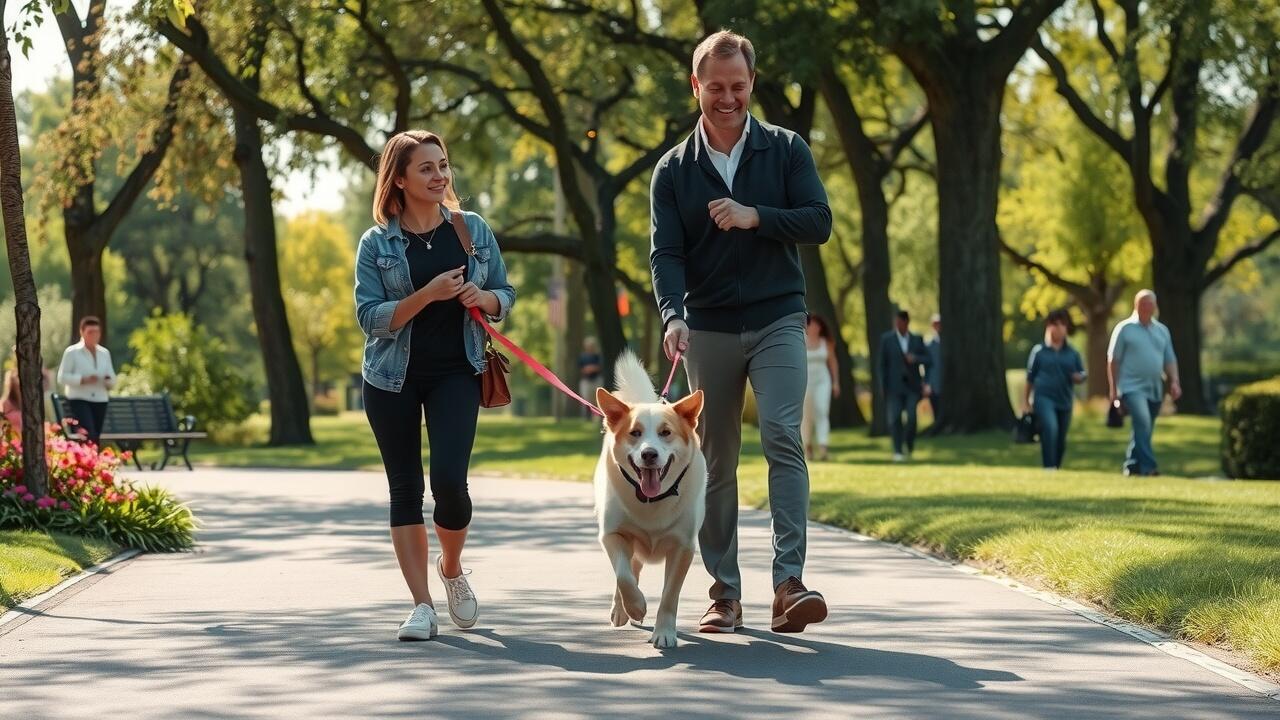
A common challenge dog owners face is dealing with pulling during walks. For the average dog, excitement or distractions can lead to stubborn pulling behaviors. Leash Walking Training: Loose-Leash Walking for Dogs (No Pulling, No Stress) emphasizes the importance of addressing this habit early on. By using consistent training techniques, dog owners can guide their energetic companions to learn how to walk calmly on a leash. Timing is essential; if a dog pulls, it helps to stop moving and wait until the leash becomes loose again. This approach encourages the dog to understand that they won’t move forward unless they exhibit the desired behavior.
Engaging an active dog requires patience and perseverance during training sessions. Establishing “walk till” practices can be effective in reinforcing loose-leash behavior. During these walks, reward your dog for staying close and maintaining a relaxed posture. Incorporating treats or praise during Leash Walking Training: Loose-Leash Walking for Dogs (No Pulling, No Stress) makes the process enjoyable for both the dog and the owner. With consistent practice, even the most spirited dogs can learn to navigate walks without pulling, creating a more harmonious experience for everyone involved.
Conclusion
Effective leash walking training is crucial for establishing a harmonious relationship between dogs and their owners. The focus on Loose-Leash Walking for Dogs (No Pulling, No Stress) can transform daily walks from a battlefield into a peaceful and enjoyable experience. A leash spool and leash connection ring can enhance the training process, enabling owners to manage strong-pulling dogs more effectively. Many pet parents find themselves in situations where their dogs pull, causing frustration during walks. Utilizing mutts dog training techniques helps address these behaviors, ensuring that dogs pull less and embrace a calmer, more controlled approach. Adopting the principles outlined in Leash Walking Training: Loose-Leash Walking for Dogs (No Pulling, No Stress) fosters not only better walking habits but also strengthens the bond between the owner and their furry companion.
FAQS
What is loose-leash walking?
Loose-leash walking is a technique that allows dogs to walk beside their owners without pulling on the leash. The goal is to create a relaxed and enjoyable walking experience for both the dog and the owner.
Why is leash walking training important for dogs?
Leash walking training is essential for ensuring the safety of your dog and others while out in public. It helps to prevent pulling, enhances the bond between the owner and the dog, and promotes good behavior during walks.
What equipment do I need for loose-leash walking training?
Essential equipment includes a comfortable collar or harness, a sturdy leash, and treats for positive reinforcement. It’s important to choose gear that suits your dog’s size and walking style.
How can I encourage my dog to walk on a loose leash?
Use reward-based training methods, such as treats and praise, to reinforce good behavior. Practice consistently, and teach basic commands to help your dog understand expectations during walks.
What should I do if my dog starts pulling during walks?
If your dog begins to pull, stop walking and wait for them to return to your side. Once they do, reward them with treats or praise. This helps teach your dog that pulling will not get them where they want to go.
How can I ensure my dog gets comfortable with long leash walking so that both of us can enjoy enjoyable walks without stress?
To help your dog get comfortable with long leash walking, start by using a long leash that allows your pup to wander freely while still being within your control. This kind of leash lets your dog explore and sniff without pulling, making the experience enjoyable for both of you. As a pet parent, you can consistently reward your pup during these walks when they stay close, fostering a thriving relationship that encourages your dog not to pull on the leash anymore.
How can I help my pup become comfortable with leash walking so they can enjoy enjoyable walks without pulling and wandering?
To ensure your dog gets comfortable with leash walking, start with short sessions that gradually increase in length, allowing your pet parent to feel at ease. Use positive reinforcement techniques to reward your dog when they walk without pulling. This helps your pup thrive during walks, making them enjoyable whenever you go out together. Additionally, ensure your leash doesn’t cause discomfort, as a relaxed leash can help both you and your dog enjoy walks even more.
What techniques can pet parents use to help their dog get comfortable with leash walking so they don’t wander and can enjoy enjoyable walks together?
To help your dog get comfortable with leash walking, start by using positive reinforcement when your pup walks beside you without pulling. Gradually increase the duration of the walks, allowing your dog to explore while ensuring they remain close and don’t wander too far. Aim for a relaxed environment where your furry friend can thrive. Over time, your pup will become accustomed to walking on a leash, making your pet parent walks more enjoyable and stress-free.
What strategies can I use to make sure my dog is comfortable with leash walking, so they don’t wander, and we can have enjoyable walks together?
To help your dog get comfortable with leash walking, focus on positive reinforcement techniques such as treats and praise when they walk beside you without pulling. Start with short distances before gradually increasing the length of your walks. This encourages your pup to thrive on the leash without wandering. Remember, patience is key, and with practice, your puppy will feel more secure and enjoy those enjoyable walks with you without pulling anymore.
What can I do to help my puppy thrive on walks, ensuring that they don’t wander and feel comfortable on the leash anymore?
To help your pup thrive during walks, focus on leash training techniques that encourage your dog to feel comfortable and secure while walking on a leash. By using treats and praise, you can reinforce good behavior, ensuring your pup doesn’t wander and enjoys the walk with you. This approach will help your dog get used to being on a leash, making your time together enjoyable.
What can I do to help my dog get comfortable with leash walking and prevent them from wandering during our walks?
To help your dog get comfortable with leash walking, you can start by using positive reinforcement techniques to encourage your pup. Ensuring your puppy feels secure on the leash is crucial, as this helps them thrive on walks. If your dog wanders, gently guide them back to your side and reward them for staying close. Consistent practice will make your dog more comfortable, and before you know it, your walks will be enjoyable without any pulling or worry.
What steps can I take to help my pup thrive during leash walking and ensure that my dog gets comfortable without any pulling or stress?
To help your puppy become comfortable with leash walking, start with short sessions and gradually increase the duration. Use positive reinforcement techniques to encourage your dog to stay close by your side, and reward them for staying calm on the leash. This will ensure that your pup is thriving on walks and will help your dog get comfortable on the leash, making the experience enjoyable for both of you.
What methods can I use to ensure my puppy gets comfortable with the leash and feels like they can thrive on walks without pulling anymore?
To help your puppy get comfortable with the leash, start by letting them wear it at home for short periods, gradually increasing the time. Use positive reinforcement when they walk beside you without pulling. As they become more relaxed, try taking them on short outings to reinforce their leash skills, ensuring that your pup is thriving and enjoys walks, which will help prevent any pulling or stress in the future.
How can I help my pup thrive while walking on a leash and ensure that my dog gets comfortable without pulling or stress anymore?
To help your pup thrive and get comfortable with leash walking, focus on positive reinforcement techniques. Use treats and praise to reward your dog when they walk calmly beside you without pulling. Gradually increase the duration of your walks to build their confidence. Remember, patience is key to helping your puppy become comfortable with the leash and enjoy their time outdoors without pulling anymore.
What can be done to help my dog get comfortable with leash walking and ensure my puppy is thriving during our walks without pulling anymore?
To help your dog comfortable on the leash, focus on positive reinforcement techniques and gradually increase the distance you walk. This will also support your puppy thriving during walks, ensuring they feel secure and relaxed. Be patient and consistent, and soon your pup will be walking comfortably without pulling anymore.