Flexibility with Multi-Function Leashes
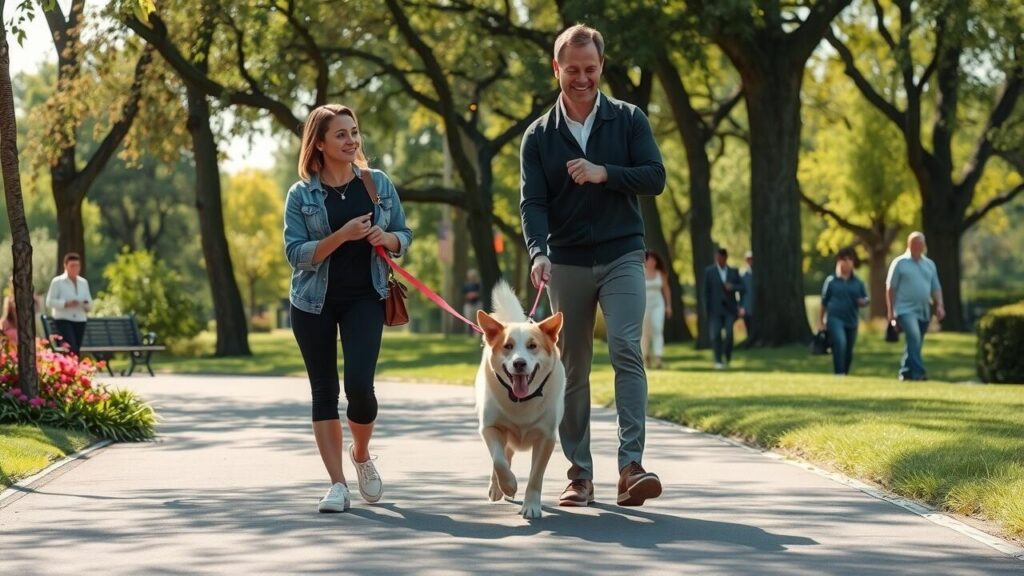
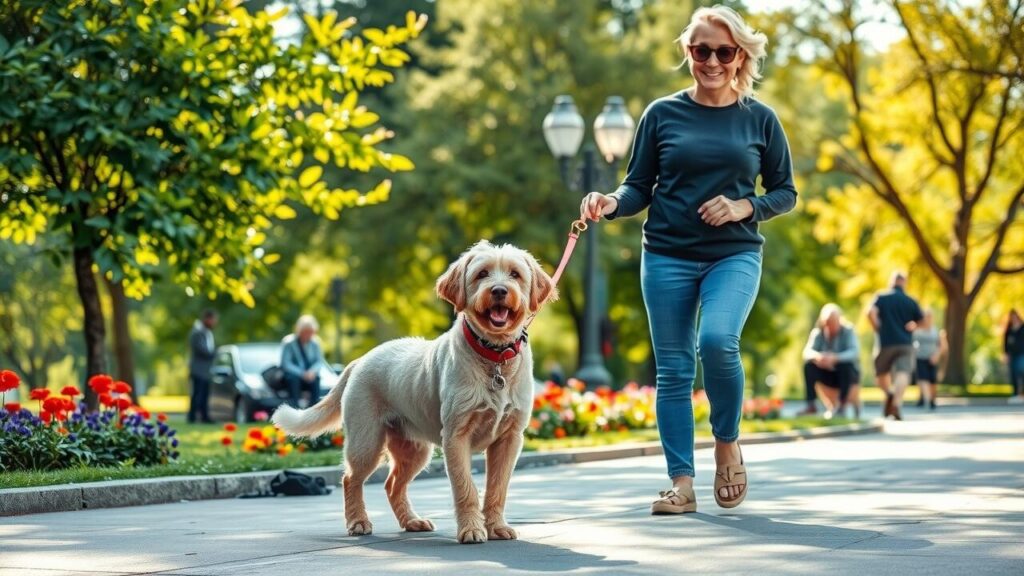
Multi-function leashes offer diverse solutions for various training scenarios. They typically combine features such as adjustable lengths, clips, and handle options, allowing dog owners to adapt to different environments and situations. These leashes can transform from a standard length into a longer one for more freedom during walks or training sessions in open spaces. Their versatility makes them especially useful for both urban and rural settings.
Many designs incorporate elements that promote hands-free handling, freeing up one’s hands for tasks such as managing treats or carrying other items. This flexibility is beneficial for busy dog owners who need to multitask while walking their pets. The adjustable nature of these leashes can also be helpful when working with multiple dogs, as they can accommodate the varying needs and energy levels of different breeds.
Features That Enhance Training
Various features in dog leashes can significantly improve the training experience for both the handler and the dog. Padded handles provide comfort during long training sessions, reducing the risk of chafing. Reflective materials enhance visibility, which is particularly beneficial for evening walks. Adjustable lengths allow handlers to customize the distance between them and their dog, fostering greater control in different training scenarios.
Additionally, some leashes come equipped with built-in training tools. For example, leashes incorporating training clickers promote positive reinforcement. Features like dual clips enable attachments for two dogs or offer options for adjusting leash length on the fly. These elements contribute to a more effective training regimen, accommodating various activities and environments.
Specialty Leashes for Specific Breeds
Certain dog breeds possess unique characteristics that can benefit from specially designed leashes. For example, greyhounds, known for their speed and slender build, may thrive with a slip leash that provides gentle control without being overly restrictive. Harnesses that focus on the breed’s specific body shape can also enhance comfort and effectiveness during training sessions. Similarly, brachycephalic breeds, like bulldogs and pugs, often require a leash that minimizes stress on their airways, making a well-padded harness a suitable choice to ensure their safety.
For larger, more powerful breeds, a sturdy, non-slip leash can make a world of difference in training efforts. Such leashes often feature heavier materials and reinforced stitching, offering owners the confidence to manage their dogs effectively, especially in stimulating environments. Additionally, some leashes come with built-in features, like reflective strips or extra cushioning, tailored to specific breeds’ needs while providing added safety during walks or training. With the right leash, training becomes a more harmonious experience for both dog and owner.
Tailoring to Your Dog’s Needs
Understanding your dog’s specific needs is crucial in selecting the right leash for training. Different breeds have varying energy levels, temperaments, and training requirements. For instance, high-energy dogs may benefit from a longer leash that allows for more movement during training sessions, while gentle or smaller breeds might thrive on a standard leash that provides closer control. Considering your dog’s size and behavior will help in determining the most effective leash type for teaching obedience and enhancing safety.
Additionally, it’s essential to think about your dog’s unique challenges. Some dogs may be prone to pulling or darting, which could influence the choice of a more specialized leash, such as a no-pull model or a harness combination. Using a tailored approach not only promotes a positive training experience but also fosters a deeper bond between you and your dog. Identifying the right leash according to your dog’s characteristics can significantly impact the success of your training regime.
The Importance of Leash Material
The material of a dog leash plays a significant role in its overall performance and durability. Nylon and polyester are popular choices due to their strength and resistance to wear. These materials can withstand pulling and tugging, which makes them suitable for various training scenarios. On the other hand, leather offers a classic and sturdy option, providing both comfort and a refined look. Each material type comes with its own set of characteristics that can influence grip, control, and durability, impacting the training process.
In addition to strength, the material affects how the leash feels in the handler’s hand. A comfortable grip can enhance control during training sessions, especially in high-energy environments. Animals often respond better when handlers feel secure and confident in their grip. Weather resistance is also a consideration. Leashes made from water-resistant materials perform better in outdoor conditions, ensuring longevity and reliability during outdoor training exercises.
How Material Affects Training
The choice of leash material plays a crucial role in the effectiveness of training. Different materials offer varying levels of strength, durability, and comfort. For instance, nylon leashes provide a lightweight option and are often favored for their vibrant colors and designs. However, they can wear out over time, especially with aggressive pullers. Leather leashes, on the other hand, bring a luxurious feel and extreme durability, which makes them an excellent investment. The weight and feel of the material can also impact how well the handler is able to communicate with their dog during training sessions.
Comfort for both the handler and the dog is essential during training activities. Materials that cause excessive friction or discomfort can lead to aversion in dogs, making them reluctant to walk on a leash. Padded leashes can help mitigate this issue for humans, providing a more comfortable grip. Similarly, soft materials that prevent chafing can create a more enjoyable experience for dogs. Selecting the right material ensures that training sessions are effective while keeping both the handler and the dog engaged and happy.
FAQS
What are the different types of dog leashes available for training?
The commonly used types of dog leashes for training include slip leashes, long lines, hands-free leashes, multi-function leashes, and specialty leashes designed for specific breeds.
How does a slip leash work?
A slip leash tightens when the dog pulls, helping to correct unwanted behaviors. It’s important to use it correctly to avoid causing discomfort to your dog.
What is a long line leash, and when should I use it?
A long line leash typically ranges from 15 to 30 feet in length, allowing your dog to have more freedom while still being under your control. It’s great for recall training and giving your dog space to explore safely.
What are the advantages of using a hands-free leash?
Hands-free leashes allow you to keep your hands free while walking or jogging with your dog. They can be attached around your waist or over your shoulder, making it easier to manage your dog while engaging in other activities.
Why is the material of a dog leash important for training?
The material can affect durability, comfort, and grip, which are crucial for effective training. For example, nylon is lightweight and strong, while leather offers durability and comfort for both the handler and the dog.
Related Links
Leash Walking Training: Loose-Leash Walking for Dogs (No Pulling, No Stress)
Best Leash for Training Dogs: What Pros Use (Lengths, Materials, Clips)
Best Leash to Train a Dog: Top Options for Puppies vs. Strong Pullers