Key Takeaways
- Comprehending the motivations for vocalization and how to address them
- Getting ready for the training process and setting the stage for success
- Detailed approach to training involving clear, actionable steps
- Applying methods to reduce reactions through gradual exposure
- Employing reward systems to encourage positive behavior
- Maintaining uniformity in training efforts for optimal results
Train Your Dog Not To Bark At Other Dogs (Step-by-Step Plan) | Understanding the Reasons Behind Barking
Understanding the reasons behind barking is crucial for effective dog training. Many dogs bark at other dogs due to fear, excitement, or territorial instincts. Recognizing these triggers is essential as it guides the approach taken in the Train Your Dog Not to Bark at Other Dogs (Step-by-Step Plan). Each dog is unique, and their behavior can be influenced by factors such as breed and socialization history. By observing your dog’s reactions and identifying specific triggers, you can tailor training techniques to address these barking behaviors. This foundational knowledge is key to fostering a calmer demeanor in your dog and enhancing their overall behavior during encounters with other dogs.
Train Your Dog Not to Bark at Other Dogs (Step-by-Step Plan) | Common Triggers for Barking at Other Dogs
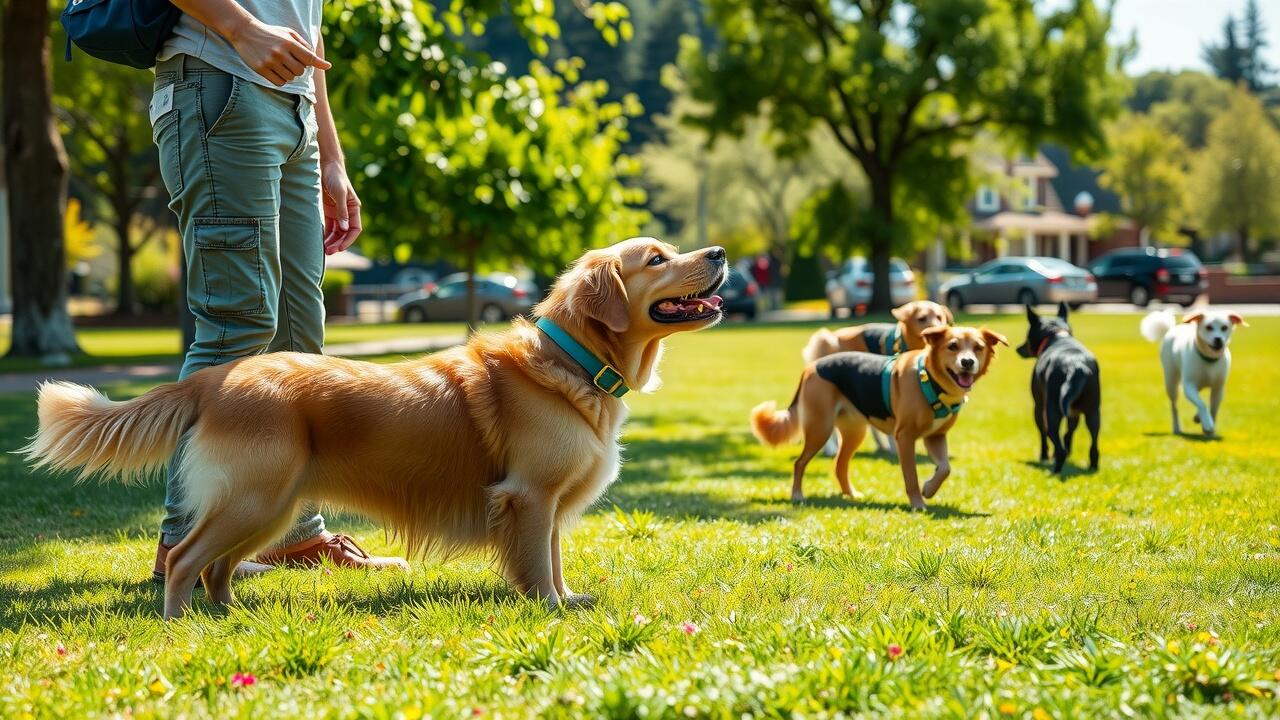
Understanding the common triggers for barking is essential to successfully train your dog not to bark at other dogs. Canine behavior can be influenced by a range of factors including excitement, fear, or territorial instincts. For instance, a naughty dog might bark out of frustration when on a leash and seeing another dog. In contrast, puppies may bark out of sheer enthusiasm or the desire to engage. Recognizing these triggers is a critical step in the step-by-step plan to modify your dog’s behavior.
A proficient dog trainer can help identify the specific situations that provoke barking in your pet. Some dogs may react defensively, while others may simply be trying to play. Understanding whether your dog’s barking stems from anxiety or excitement will allow for more targeted training approaches. This insight is vital in developing a plan that effectively addresses the reasons behind the barking, ensuring you can train your dog not to bark at other dogs successfully.
The Role of Breed and Temperament
Each dog breed has unique characteristics that influence their behavior, including barking tendencies. Some breeds are naturally more vocal than others, making it essential to consider these traits when you implement the Train Your Dog Not to Bark at Other Dogs (Step-by-Step Plan). Puppies may be more receptive to training, allowing owners to cultivate calm behavior early. Understanding your pet’s breed-specific traits can help tailor training techniques to effectively minimize excessive barking.
Temperament plays a significant role in a dog’s responsiveness to training. An anxious or aggressive dog may require different strategies than a more laid-back or social pet. Using the Train Your Dog Not to Bark at Other Dogs (Step-by-Step Plan) can be particularly beneficial for dogs with heightened reactivity. Fostering a relaxed and confident environment for your puppy will greatly aid in reducing barking and improving social interactions.
Preparing for Training
Before you begin to train your dog not to bark at other dogs, it’s essential to gather the right tools. A sturdy leash is crucial for maintaining control during training sessions, especially in situations involving distractions. Incorporating a favorite dog toy can also help redirect your pet’s focus, making the learning process smoother. Understanding the reasons behind your dog’s barking is key in this endeavor. By following the Train Your Dog Not to Bark at Other Dogs (Step-by-Step Plan), you can effectively address the triggers of excessive barking and foster a calm demeanor in various environments.
Essential Tools and Supplies
To effectively train your dog not to bark at other dogs, having the right tools and supplies is essential. A sturdy leash and a comfortable harness can help maintain control during training sessions. Incorporating training treats into your plan will motivate your dog to learn and reward them for calm behavior. Remember, yelling at your dog to be quiet won’t reduce their barking; instead, focus on positive reinforcement while following the Train Your Dog Not to Bark at Other Dogs (Step-by-Step Plan).
Creating a distraction-free environment enhances training effectiveness. Consider using barriers such as gates to manage your dog’s exposure to other dogs during sessions. Toys can provide positive distraction, helping to redirect your puppy’s attention when they feel the urge to bark. Proper supplies ensure a consistent approach, allowing you to patiently address situations that trigger barking, ultimately leading to a calm and well-behaved pet.
Creating a Positive Training Environment
A positive training environment is essential for effective dog training. This atmosphere encourages confidence and receptiveness in your dog. Prior to any dog training session focused on learning to control barking, ensure that the space is free from distractions. A quiet area allows your dog to focus on you and the commands you are teaching. Using techniques from the Train Your Dog Not to Bark at Other Dogs (Step-by-Step Plan) can help reduce anxiety and promote calm behavior during these crucial moments.
Creating a space where your dog can explore safely and engage with other dogs is also important. Allowing them to sniff and interact in a controlled manner fosters curiosity. This interaction can significantly aid in reducing dog barking over time. Incorporating these elements into your dog training session enhances the effectiveness of critical dog training methods, making it easier for your dog to learn how to respond appropriately to other dogs.
| Training Element | Description | Benefits |
|---|---|---|
| Distraction-Free Zone | A quiet training area without interruptions. | Enhances focus and learning capability in dogs. |
| Controlled Socialization | Safe interactions with other dogs under supervision. | Builds confidence and reduces anxiety related to barking. |
| Positive Reinforcement | Reward-based training methods. | Encourages desired behavior and strengthens the bond with your dog. |
| Exploration Opportunities | Allowing dogs to sniff and explore their environment. | Promotes curiosity and reduces stress during training sessions. |
Step-by-Step Training Plan
A structured approach is essential to successfully train your dog not to bark at other dogs. This Train Your Dog Not to Bark at Other Dogs (Step-by-Step Plan) focuses on understanding your pup’s unique reactions and needs, utilizing positive dog training methods. By decoding the canine communication code, you can better identify triggers that lead to unwanted barking behaviors. It’s important to ensure that your dog feels comfortable and secure during the training process, as a relaxed pup is more receptive to learning. Implementing specific commands and socialization techniques will help create a deeper bond and establish trust, making it easier for your dog to adapt to new interactions and environments.
- Start with basic obedience commands like “sit,” “stay,” and “quiet” to establish control.
- Gradually expose your dog to other dogs at a distance to allow for acclimatization.
- Use treats or toys to reward your dog for calm behavior when encountering other dogs.
- Practice controlled socialization in a safe environment, such as a park or training class.
- Be patient and consistent with your training; it may take time for your dog to adjust.
- Always monitor your dog’s body language to identify signs of stress or anxiety.
- Seek professional help if needed, particularly if your dog shows aggressive tendencies during interactions.
Step 1: Establishing Commands
Establishing clear commands is vital in your journey to train your dog not to bark at other dogs. Start with basic commands such as “sit,” “stay,” and “down.” These commands create a foundation for more advanced training techniques and provide your dog with an understanding of expected behavior. Incorporating dog training games can make the process enjoyable, especially for driven dogs. Emphasize consistency in your commands to ensure your dog learns to respond reliably, even in distractions.
One particularly effective command to teach is “stand,” which can help manage your dog’s excitement when encountering other dogs. This position encourages your dog to focus on you instead of the distractions around them. Practice in a controlled setting before moving into environments with other dogs. Following this structured approach will enhance your ability to train your dog not to bark at other dogs, making outings more enjoyable for both of you.
Step 2: Socialization Techniques
Socialization is a fundamental aspect of the process to train your dog not to bark at other dogs. Engaging your dog with multiple dogs in a controlled setting can significantly improve their behavior. This exposure helps your pet learn to coexist peacefully with others, reducing anxiety and the likelihood of barking. Implementing dog behaviorist tricks, such as gradual introductions to friendly, well-socialized dogs, can create positive experiences that foster calmness and reduce reactiveness.
A tired dog is often a well-behaved dog. Incorporating playdates and group training sessions into your training routine can help expend your dog’s energy, making them less prone to barking. Dogtips suggest using these socialization opportunities not only to teach commands but also to reinforce desirable behaviors. Consistently exposing your dog to new environments and companions will help them grow more comfortable, making the goal to train your dog not to bark at other dogs more achievable.
Implementing Desensitization Techniques
To effectively address a barking problem, controlled exposure to other dogs is essential in the process. This step involves carefully introducing your dog to various canine stimuli in a manner that minimizes stress and fosters a calm atmosphere. A professional dog trainer may recommend starting with distant encounters, allowing your dog to observe other dogs without feeling threatened. Gradually decreasing the distance over time helps your pet adapt to the presence of other dogs, reducing anxiety and canine vocalization. Following this, a pro dog trainer might suggest gradually increasing distractions in the environment, which can further reinforce your training efforts. By following the Train Your Dog Not to Bark at Other Dogs (Step-by-Step Plan), you’ll create a more manageable experience for your dog, ultimately leading to improved behavior in social settings.
Controlled Exposure to Other Dogs
Controlled exposure is a crucial component in your efforts to train your dog not to bark at other dogs. It involves carefully introducing your dog to other dogs in a controlled environment, which can help alleviate anxiety and reduce barking. Observing your dog’s body language is vital during these interactions. If your dog feels overwhelmed, it may lead to increased barking. By gradually exposing your dog to different canine companions, you can help them learn to remain calm and relaxed in various situations, much like the dogsofinstagram showcase happy, well-socialized pets.
Establishing a routine for these controlled exposures is beneficial for both you and your dog. Choose environments where your dog feels secure yet faces mild distractions, such as a neighborhood park. As your dog gains confidence, you can incrementally introduce more distractions or closer proximity to other dogs while maintaining a calm demeanor. This process will reinforce the idea that being around other dogs does not necessitate barking. Following this approach as part of your train your dog not to bark at other dogs (step-by-step plan) will yield positive results over time.
Gradual Increase in Distractions
Introducing controlled distractions is crucial to effectively train your dog not to bark at other dogs. Start with low-level stimuli, such as distant dogs or sounds that might trigger barking behavior. Gradually increase the intensity of these distractions over time, ensuring your dog remains calm. This method supports dog enrichment, allowing your new adult dog to learn how to manage its reactions in various scenarios.
As your dog progresses, incorporate more frequent and varied distractions into training sessions. This could involve playing recordings of barking dogs or encountering other dogs on walks. By consistently implementing this step in the Train Your Dog Not to Bark at Other Dogs (Step-by-Step Plan), you can help your dog reduce its barking and develop better social skills. Regular exposure to these controlled situations sets your dog up for success in real-world interactions.
| Distraction Level | Examples | Duration of Exposure |
|---|---|---|
| Low | Distant dog sounds | 5 minutes |
| Medium | Recorded barking sounds | 10 minutes |
| High | Encountering a calm dog on walks | 15 minutes |
| Very High | Visits to a dog park | 20 minutes |
Reinforcement Strategies
To effectively train your dog not to bark at other dogs, utilizing reinforcement strategies is essential. Positive reinforcement through dog treats can greatly enhance your training process, rewarding your pet for calm behavior in the presence of other animals. Establishing dog consent is crucial; ensure your dog feels comfortable and safe during training sessions. Implementing a bark collar may serve as an added tool, but it should be used responsibly and in conjunction with positive techniques. By following a structured approach in the “Train Your Dog Not to Bark at Other Dogs (Step-by-Step Plan),” you can foster an environment that encourages serenity rather than agitation.
Rewarding Calm Behavior
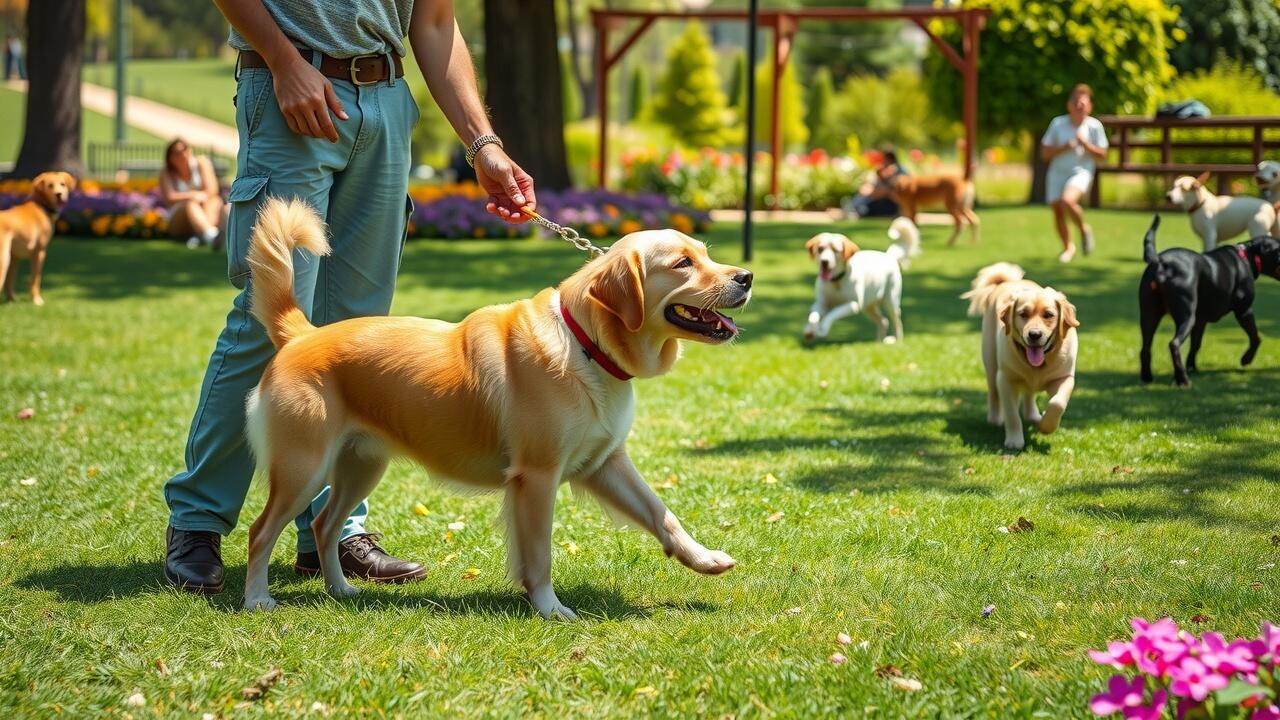
Rewarding calm behavior is a crucial aspect of the process to train your dog not to bark at other dogs. Positive reinforcement strengthens desirable behavior and helps your pet learn effective doggy manners. Each time your dog remains quiet in the presence of another dog, offer a treat or praise. This approach not only discourages the barking habit, but it also builds a bond of trust between you and your real pet.
Incorporating reward-based training can be more effective than relying on equipment like an anti-bark collar, which may not address the root cause of the issue. A consistent commitment to the step-by-step plan will yield better long-term results. As your dog learns to enjoy calm interactions with other dogs, gradually reduce the frequency of rewards to encourage self-control, reinforcing the lessons you’ve taught throughout the training.
Using Treats and Praise Effectively
Incorporating treats and praise into your training sessions can significantly enhance your efforts to train your dog not to bark at other dogs. For a pet parent of an old berniedoodle or any berniedoodle, understanding how to use positive reinforcement effectively is crucial. During training, offer small treats immediately after your dog exhibits calm behavior in the presence of other dogs. This approach helps create a clear association between being calm and receiving a reward, making it easier for your pet to learn the desired behavior.
Praise serves as a powerful motivator, often having a more immediate impact than treats alone. As you follow the Train Your Dog Not to Bark at Other Dogs (Step-by-Step Plan), combine verbal praises such as “good boy” or “well done” with physical affection. This combination reinforces your bond and encourages your dog to remain relaxed during encounters with other dogs. Consistency in your training methods will help your berniedoodle understand that calm behavior leads to positive outcomes, making the training process more effective overall.
Consistency in Training
Establishing a regular training schedule is crucial for pet parents looking to train their dog not to bark at other dogs. For instance, an old berniedoodle may require different techniques compared to a younger counterpart, emphasizing the need for consistent practice tailored to individual needs. It’s important for pet parents to engage in daily exercises that reinforce commands and socialization techniques outlined in the Train Your Dog Not to Bark at Other Dogs (Step-by-Step Plan). Involving family members in the training process also helps create a unified approach, ensuring that the berniedoodle receives consistent cues and feedback during interactions with other dogs. This commitment to regularity solidifies learning and contributes to a more relaxed and well-behaved pet.
- Create a daily training schedule and stick to it.
- Use the same commands and signals consistently to avoid confusion.
- Incorporate training sessions into daily walks or playtime.
- Reward positive behavior immediately to reinforce good habits.
- Practice socialization with a variety of dogs in controlled environments.
- Encourage family participation to maintain uniform training approaches.
- Track progress to identify areas that need more focus or adjustment.
Setting a Regular Training Schedule
Establishing a regular training schedule is crucial for success in your efforts to train your dog not to bark at other dogs. Consistency in training helps your pup understand expectations through positive dog training methods. Incorporating these training sessions into your daily routine allows you to reinforce the canine communication code without overwhelming your dog. Short, frequent training intervals foster a more engaging learning environment and ensure that your pup remains focused on the task at hand.
Engaging with your dog at the same time each day aids in building a routine that your canine companion will come to expect. Implementing a schedule where training coincides with daily activities allows your pup to learn in a relaxed state. This predictable structure can significantly enhance your efforts to train your dog not to bark at other dogs, making it easier for both you and your dog to track progress effectively. Consistency nurtures trust and understanding, ultimately leading to a well-behaved pet.
Involving Family Members in Training
Family involvement is crucial for a successful training experience. Engaging everyone in the household helps create a consistent environment that supports your goals. Through dog training games, each family member can take turns practicing commands and reinforcing positive behaviors. This collective effort is especially beneficial for driven dogs, as they thrive on attention and interaction from multiple people. Encouraging family members to establish a routine with the command “dog stand” can create a unified approach that keeps your dog attentive during training sessions.
Having a shared understanding of the techniques reinforces the training you implement with your dog. Each family member should be aware of the strategies from the Train Your Dog Not to Bark at Other Dogs (Step-by-Step Plan) to prevent mixed signals. Incorporating different family members can make training more engaging and less monotonous for your dog, leading to better retention of lessons. Consistent practice will ensure that your dog understands the expected behaviors, minimizing barking at other dogs in any setting.
Conclusion
Training your dog not to bark at other dogs can be an enriching experience for both you and your pet. Utilizing a step-by-step plan, along with engaging dog training games, can greatly enhance the effectiveness of your efforts. Understanding the unique temperament of your dog, especially if you have a driven dog, allows you to tailor your approach. Teaching your dog to stand calmly near other dogs can significantly reduce barking incidents. By implementing a structured training routine, you will encourage desirable behavior and gradually desensitize your pet to distractions. Commitment to this plan will pave the way for a more peaceful coexistence with other dogs in public spaces.
FAQS
Why does my dog bark at other dogs?
Dogs may bark at other dogs for various reasons, including fear, excitement, territorial behavior, or a desire to play. Understanding the underlying cause of your dog’s barking is essential for addressing the behavior effectively.
How can I stop my dog from barking at other dogs during walks?
To stop your dog from barking at other dogs while walking, you can implement training techniques such as desensitization, positive reinforcement, and controlled exposure. Gradually exposing your dog to other dogs in a controlled manner can help reduce their reaction over time.
What tools do I need to train my dog not to bark at other dogs?
Essential tools for training include a leash, treats for rewards, a clicker for marking good behavior, and possibly a muzzle for safety during initial training sessions. Additionally, having patience and consistent commands is crucial for success.
How long will it take to train my dog not to bark at other dogs?
The time it takes to train your dog not to bark at other dogs varies depending on the individual dog’s temperament, age, and the consistency of training. Some dogs may show improvement in a few weeks, while others may take several months.
Can I train my dog not to bark at other dogs if they are already reactive?
Yes, it is possible to train a reactive dog not to bark at other dogs. However, it may require more patience and specialized techniques, such as working with a professional trainer or behaviorist, to ensure a safe and effective training process.
How can I stop my dog from barking at other dogs during walks?
To prevent your dog from barking at other dogs, it’s essential to understand that when your dog barks, it may be due to frustration or excitement. If your puppy barks at other dogs, try to keep a calm demeanor and redirect their attention. When your dog doesn’t react to another dog and is calm, reward them with treats or praise. This way, you reinforce positive behavior whenever your dog isn’t barking. Additionally, observing how dogs sniff each other can help your dog learn proper social interactions, leading to a decrease in barking over time.
What are some effective methods to prevent barking at other dogs during outdoor activities?
To effectively prevent barking at other dogs during outdoor activities, consider employing consistent training techniques, positive reinforcement, and distraction methods. Using treats or toys to redirect your dog’s attention can be especially helpful. Additionally, practicing on-leash commands and gradually exposing your dog to other dogs at a distance can help build their confidence and reduce excessive barking.
What should I do if my dog barks excessively at other dogs while playing in the park?
To address excessive barking at other dogs while playing in the park, it’s essential to implement a training plan that focuses on positive reinforcement and distraction techniques. Start by teaching your dog a “quiet” command, rewarding them when they stop barking. Gradually expose them to other dogs at a distance, allowing them to observe without reacting. Use toys or treats to redirect their attention and encourage calm behavior around other dogs. Consistency and patience are key in creating a successful training routine.
What techniques can I use to teach my dog not to bark at other dogs in different situations?
To teach your dog not to bark at other dogs, consider using positive reinforcement methods such as rewarding quiet behavior, distraction techniques like using toys or treats, and controlled exposure to other dogs during walks or training sessions. Consistency in training and patience are key to ensuring your dog learns to remain calm and quiet around other dogs.
How can I effectively train my dog to remain quiet around other dogs while socializing in various environments?
To effectively train your dog to remain quiet around other dogs while socializing in various environments, you can start by introducing them to controlled settings where they can observe other dogs without direct interaction. Use positive reinforcement, such as treats and praise, when they stay calm and quiet. Gradually expose them to more distracting environments while maintaining their focus on you, rewarding them for good behavior. Consistency in training and patience are key to helping your dog learn to socialize without excessive barking.