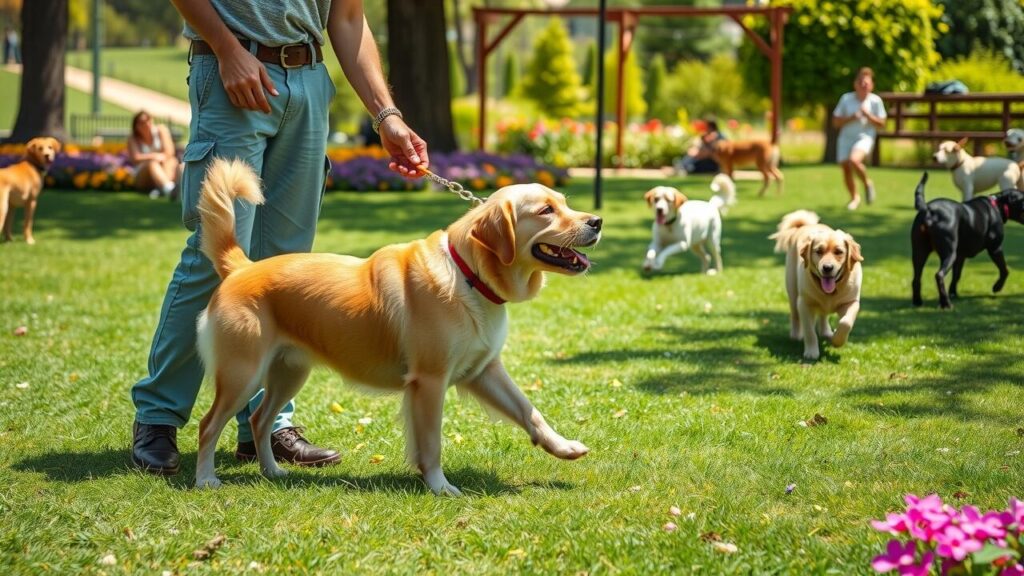
Social Interactions
Dogs are inherently social creatures, thriving on interactions with humans and other animals. Changes in their environment or social circle can lead to noticeable shifts in behavior. If your dog suddenly avoids you, it may be reacting to stress caused by changes in routine or the presence of unfamiliar people or animals. Such situations can invoke feelings of anxiety or discomfort, leading them to seek solitude instead of companionship.
The influence of other pets in the household can also play a crucial role in your dog’s social interactions. If a new dog is introduced, or if an existing pet is displaying dominant behaviors, your dog may feel threatened or overshadowed. This sense of competition or fear can prompt your dog to withdraw, opting for a more solitary existence rather than engaging with their usual companions. Understanding these dynamics is essential in navigating your dog’s sudden withdrawal.
The Role of Other Animals or People
Interactions with other animals or people can significantly influence a dog’s behavior. If a dog has had negative experiences with certain individuals or other pets, they might withdraw from social interactions. New arrivals in the household, such as a different pet or a new family member, may also cause a dog to feel uncertain or anxious. An unexpected presence can lead to feelings of insecurity and stress, prompting a dog to seek solitude rather than engage.
When a dog senses changes in their environment, including shifts in the dynamics of relationships, their reactions can vary. They may become more withdrawn or hesitant if they feel threatened by the presence of a dominant animal. Similarly, if people in the household exhibit sudden shifts in behavior or mood, the dog might mirror this tension, choosing to retreat rather than engage. Observing these interactions can provide insights into a dog’s emotional state and help identify sources of stress.
Health Concerns
Changes in a dog’s behavior can frequently be traced back to underlying health issues. Painful conditions such as arthritis or dental problems may lead a dog to withdraw from social interactions. Even small shifts in behavior, like avoiding play or hesitating to approach family members, can signal discomfort. Owners should be vigilant for signs of physical distress or changes in appetite, which could further indicate health troubles.
Infections or chronic illnesses can also lead to a sudden avoidance of interaction. Conditions like urinary tract infections or gastrointestinal distress may make a dog feel unwell, prompting them to seek solitude instead of companionship. When significant behavioral changes occur, a veterinary examination is essential. Prompt assessment can help identify any medical issues requiring intervention and ensure a dog’s well-being.
Medical Issues That May Cause Withdrawal
Withdrawal behavior in dogs can often be a sign of underlying medical issues. Conditions such as pain from arthritis, dental problems, or internal injuries can contribute to a dog’s reluctance to engage in social interactions. These discomforts can manifest through changes in their demeanor, causing them to retreat rather than seek companionship. When experiencing physical distress, dogs may choose to isolate themselves rather than display signs of discomfort.
Moreover, various illnesses can lead to a significant change in behavior. For instance, infections, hormonal imbalances, or chronic conditions like diabetes can induce lethargy and a desire for solitude. Owners should remain vigilant and monitor any abrupt shifts in their pet’s habits. An evaluation by a veterinarian is crucial when noticing these signs, as early detection can lead to better health outcomes and a return to a more sociable disposition.
Behavioral Changes
Dogs can display behavioral changes for various reasons, and it often reflects their emotional state. A previously affectionate dog might become withdrawn, avoiding interaction or physical contact. This shift can be concerning for pet owners who might interpret it as a sign of disaffection. However, these alterations in behavior may stem from factors such as anxiety, environmental changes, or past traumatic experiences.
In some cases, a dog may exhibit changes in routine that indicate stress or discomfort. For example, if a dog that usually enjoys walks suddenly hesitates to go outside, it may signal an underlying issue. Monitoring their responses during playtime or the way they interact with family members can provide valuable insights. Understanding these shifts in behavior can help owners address the root causes and ensure their dog’s well-being.
Observing Shifts in Your Dog’s Routine
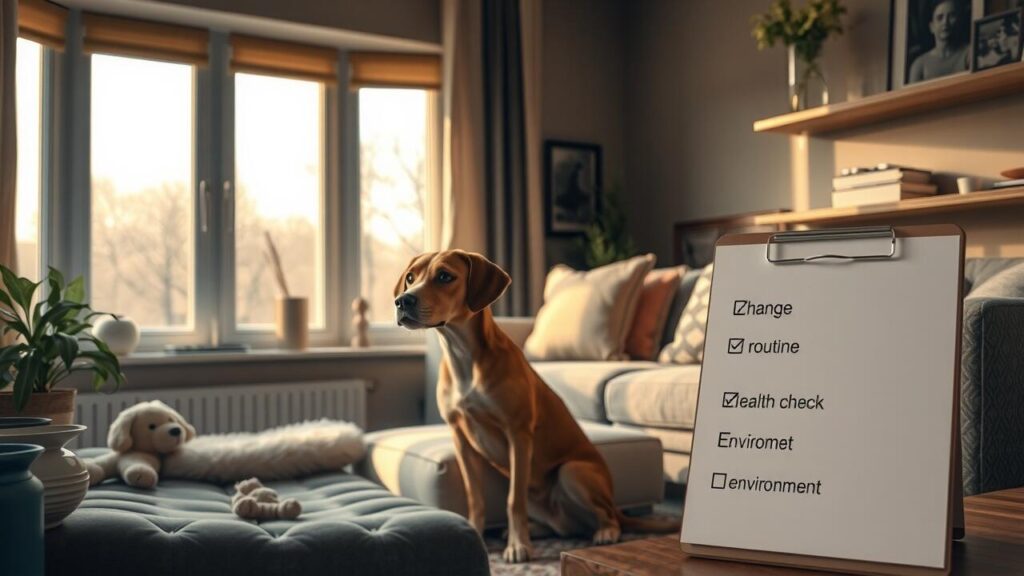
Changes in a dog’s daily routine can serve as important indicators of their emotional and physical well-being. When a dog begins to avoid interacting with family members, subtle shifts in behavior might provide clues. Observing their eating habits, energy levels, and playfulness can reveal underlying issues. If a dog that once enjoyed long walks suddenly prefers isolation, owners should consider the possibility of stress or discomfort that was previously unnoticed.
Routine behavior often reflects a dog’s mental state. For instance, a previously sociable dog becoming withdrawn may suggest fear or anxiety, which can be triggered by changes in the household or environment. Additionally, sudden temperamental fluctuations, such as increased aggression or clinginess, may signal distress. Keeping a close eye on these shifts can aid in understanding your dog’s needs and ensuring their emotional health is prioritized.
FAQS
Why is my dog suddenly avoiding me?
Your dog may be avoiding you due to stress, pain, fear, or changes in their environment. It could also be a sign of underlying health concerns or behavioral changes.
How can I tell if my dog is in pain?
Signs of pain in dogs can include whining, limping, changes in appetite, decreased activity, and avoidance behaviors. If you suspect pain, it’s important to consult a veterinarian.
Can my dog’s avoidance behavior be related to other animals or people?
Yes, interactions with other animals or people can affect your dog’s behavior. If they have had a negative experience, they might become more withdrawn or fearful around certain individuals or situations.
What should I do if I notice a change in my dog’s behavior?
Observe your dog’s routine and look for other signs of distress. If the avoidance behavior persists or is accompanied by other concerning symptoms, it’s best to consult a veterinarian or a professional dog trainer.
Are there specific medical issues that can cause my dog to withdraw?
Yes, various medical conditions such as infections, arthritis, dental issues, or neurological disorders can lead to changes in behavior, including withdrawal. A veterinary check-up is essential to rule out medical causes.
Related Links
Why Your Dog Is Avoiding You (Checklist + What to Do Next)
Rebuilding Trust With a Nervous Dog (Simple Daily Plan)
Things You Do That Can Scare a Dog (Even If You Mean Well)
When to Call the Vet vs a Trainer (Quick Decision Guide)