Utilizing Positive Reinforcement
Positive reinforcement plays a crucial role in enhancing your dog’s ability to focus on commands, especially in distracting environments. Dogs are naturally motivated by rewards, and recognizing this can help you create a more effective training strategy. Treats, praise, or playtime can serve as powerful incentives, encouraging your dog to listen even when surrounded by exciting outdoor stimuli. Consistency is key. Whenever your dog obeys a command, promptly reward them. This reinforces the behavior and encourages them to repeat it in the future.
Incorporating positive reinforcement not only strengthens your dog’s response to commands but also fosters a sense of trust between you and your pet. When dogs associate obedience with positive experiences, they become more eager to engage in training exercises. Make sure to vary the types of rewards, as this can keep your dog intrigued and motivated. By transitioning from high-value treats to praise or play as your dog becomes more proficient, you can maintain their interest while also building their confidence in different settings.
Reward Systems for Outdoor Training
Positive reinforcement plays a crucial role in outdoor training, as it encourages dogs to associate good behavior with rewards. When your dog performs a command or displays desirable behavior in a distracting environment, rewarding them promptly reinforces their choice. Offering treats, praise, or playtime can significantly enhance their motivation to listen. It is important to use high-value rewards that excite your dog more than the distractions surrounding them. This approach helps create a strong connection between the action and the reward, making your dog more likely to obey even when outside stimuli are present.
Consistency in implementing reward systems is essential for effective training. Varying the rewards can keep your dog engaged and eager to learn. For example, when introducing outdoor training, start by using treats that are extra special, such as their favorite snacks. As your dog becomes more adept at following commands amidst distractions, you can gradually phase out treats and use verbal praise or petting as rewards. This gradual transition not only strengthens their learning experience but also prepares them to respond positively in various situations outside, enhancing their ability to focus amidst distractions.
Tailoring Training Sessions
Creating effective training sessions requires an understanding of your dog’s individual needs and responses. Each dog is unique, with its own set of stimuli that can capture attention or cause distraction. Tailoring the environment by selecting specific locations and times can enhance focus. For instance, choosing quieter areas for initial training can help build a foundation before introducing more stimulating scenarios. Gradually increasing distractions in controlled settings allows a dog to learn while feeling safe.
Incorporating variety into training sessions also helps maintain engagement. Different locations, diverse activities, and novel challenges keep the experience fresh and stimulating. This approach encourages your dog to apply learned behaviors in unexpected situations. Keeping sessions short and fun prevents boredom and reinforces the desire to participate. As your dog becomes more comfortable, slowly increasing the complexity of tasks can strengthen their ability to listen and respond to commands.
Gradual Exposure to Outdoor Scenarios
Introducing dogs to various outdoor scenarios in a controlled manner helps them build confidence and focus amidst distractions. Start in a familiar environment with minimal stimuli. Gradually increase the complexity by introducing different sights, sounds, and smells. This method allows dogs to adapt at their own pace. Positive reinforcement during each step reinforces their ability to respond to commands despite external distractions.
As your dog becomes comfortable in a particular setting, slowly transition to busier locations. Use high-value treats and praise to reward desired behaviors. Frequent incremental exposure teaches your dog to remain attentive even when faced with new challenges. Consistency in your training helps reinforce the idea that listening is rewarded, regardless of the distractions present in the environment.
The Impact of Leash Training
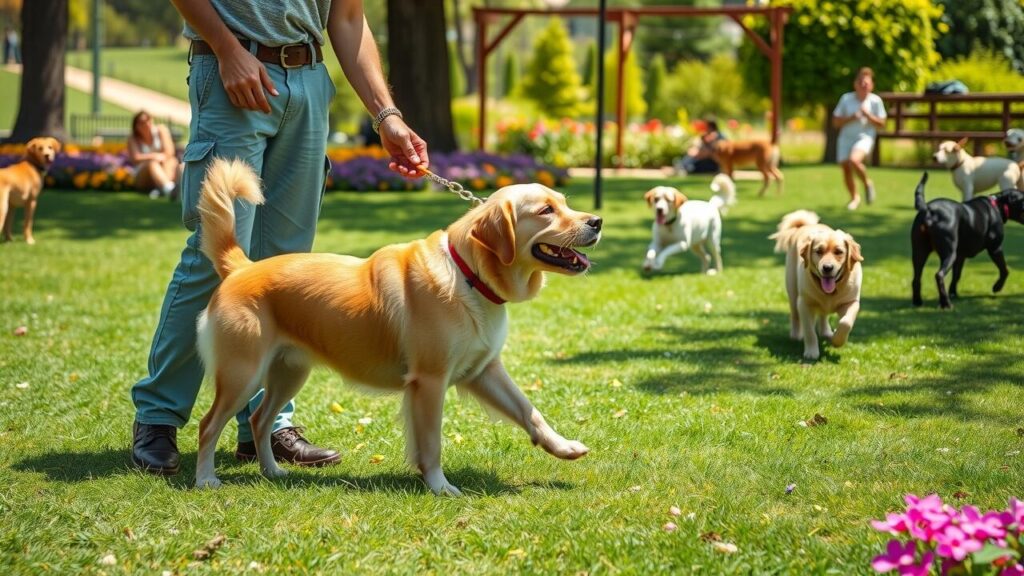
Leash training plays a crucial role in teaching dogs to focus amidst distractions. When a dog is on a leash, it provides a sense of security for both the pet and the owner. This connection creates an opportunity for the owner to guide the dog’s behavior effectively while exposing them to various outdoor distractions. Establishing a good relationship with the leash can transform walks into productive training sessions.
Practicing leash techniques can enhance a dog’s concentration during outdoor activities. Utilizing commands while on a leash reinforces listening skills in environments filled with sounds and sights that captivate a dog’s attention. Consistency in this training method builds reliability, allowing a dog to navigate distractions more successfully. Through patience and practice, leash training can significantly improve a dog’s ability to respond to commands in any setting.
Teaching Control in Distraction-Filled Environments
Dogs often experience heightened excitement and distraction in outdoor settings. This can make it challenging to maintain focus during training. Establishing control over your pet requires a structured approach that acknowledges these external stimuli. A consistent routine is essential. Begin with basic commands in a low-distraction environment before gradually increasing the level of distractions.
Incorporating real-world situations is beneficial. Practice commands while on walks or in areas with various stimuli. Use high-value treats to reinforce desired behaviors. If your dog responds to commands effectively in more challenging scenarios, it reinforces their ability to maintain focus. This kind of practice builds confidence and strengthens the bond between you and your pet, leading to improved responsiveness when distractions are present.
FAQS
Why does my dog listen better indoors than outdoors?
Dogs often listen better indoors due to fewer distractions in a controlled environment. Outdoor settings can be filled with stimuli such as other animals, sounds, and scents that can divert their attention.
How can I improve my dog’s listening skills when outside?
Utilizing positive reinforcement and reward systems during outdoor training can significantly improve your dog’s response to commands in distracting environments.
What is gradual exposure in dog training?
Gradual exposure involves slowly introducing your dog to various outdoor scenarios, starting with low-distraction environments and gradually progressing to more challenging ones. This helps them learn to focus despite distractions.
How does leash training affect my dog’s behavior outside?
Leash training helps establish control and boundaries, teaching your dog to pay attention to you even in distraction-filled environments. It encourages them to remain focused on you rather than what’s around them.
What are some effective reward systems for outdoor training?
Effective reward systems can include treats, praise, toys, or playtime. The key is to find what motivates your dog the most and use it consistently to reinforce positive behavior during outdoor training sessions.