Key Takeaways
- Fundamental Concepts of Housebreaking Canines
- Getting Ready for the Training Journey
- Detailed Instructions for Housebreaking Young Dogs
- Tackling Difficulties in Puppy Training
- Comprehensive Strategy for Housebreaking Mature Dogs
- Conquering Potty Training Hurdles for Older Canines
How To Potty Train Puppies And Adult Dogs (Step-by-Step Plan) | Understanding the Basics of Potty Training
Understanding the essentials of potty training sets the foundation for success with both puppies and adult dogs. Knowing how to potty train puppies and adult dogs requires an awareness of their natural instincts as pack animals.
Get Consistent Results In A Week
- Follow trainer-style techniques without needing any past experience
- Let your dog roam the house without watching every second
- Get faster progress by learning what to do at each stage
Consistency is key in the process, whether you are focusing on puppy training or retraining an adult dog. Training puppies involves establishing a schedule that aligns with their needs, allowing them to learn the signals for going outside.
A well-structured approach to potty training helps in achieving the goal of having your pets fully potty trained and comfortable in their environment. Understanding your dog’s behavior and recognizing signs when they need to go plays a significant role in effective dog training.
How to Potty Train Puppies and Adult Dogs (Step-by-Step Plan) | The Importance of Consistency in Training
Consistency plays a crucial role in the potty training journey for both puppies and adult dogs. A well-structured routine reassures canines, making them more likely to understand their desired behaviors.
Pet owners should establish a clear schedule that includes regular trips to designated potty areas. Using dog crates can also help reinforce this routine by providing a safe space when pets cannot be supervised. Engaging the services of a dog trainer can further enhance this process by offering techniques tailored to individual needs.
Housetraining requires patience and a commitment to maintaining consistent expectations. Dogs thrive on repetition and clear signals about what is expected of them. For rescued dogs or those new to homes, consistency becomes even more critical as they learn to adapt to their surroundings.
Pet sitters and family members should all be on the same page regarding potty training methods to avoid confusion for the dog. Ultimately, a dependable approach helps create a strong foundation for successful training and builds a trusting relationship between the pet and owner.
Recognizing Signs Your Dog Needs to Go
Understanding the signs that indicate your dog needs to go outside is crucial in the process of housetraining. Dogs, whether puppies or adults, often exhibit specific behaviors before they need to relieve themselves.
Look for signs such as whining, pacing, sniffing the ground, or circling. These cues are your animals’ way of communicating that they need a potty break. Incorporating a leash during these moments can help guide your dog to the designated toilet area, making it easier for you to establish a routine. Recognizing these signs promptly plays a significant role in How to Potty Train Puppies and Adult Dogs (Step-by-Step Plan).
Different breeds may have varied signals when it comes to toilet training. For example, German shepherds might be more vocal or restless. Use this knowledge to tailor your approach, as familiarizing yourself with your dog’s behavior can ease the training process.
Crate training can also be a helpful tool during this phase, as dogs typically avoid soiling their sleeping area. Regularly scheduled feedings of quality dog food can facilitate predictable potty patterns. Taking note of these signs will bolster your effectiveness in the training journey and strengthen your dog’s path toward becoming a Canine Good Citizen.
| Sign | Description | Action to Take |
|---|---|---|
| Whining | Your dog vocalizes or whines restlessly. | Take your dog outside immediately. |
| Pacing | Your dog walks back and forth or can’t seem to settle down. | Guide your dog to the potty area. |
| Sniffing | Your dog sniffs the ground or the door area consistently. | Open the door to let them outside. |
| Circling | Your dog circles in one spot repeatedly. | Bring your dog out for a potty break. |
Preparing for the Training Process
A successful potty training journey begins with proper preparation and an understanding of canine potty habits. Knowing how to potty train puppies and adult dogs (step-by-step plan) includes gathering essential supplies and setting the right environment for your potential potty-trained pup.
Essential items might include puppy pads, a designated area for outdoor potty, and treats for positive reinforcement. Consulting your vet can provide insights into your dog’s needs and reinforce obedience training strategies.
Observing unsupervised puppies can help you identify their natural cues and timing for potty breaks, shaping a structured potty schedule around these observations. A comfortable and safe actual dog potty area encourages your pup to develop the right habits from the start.
- Establish a consistent potty schedule for your dog.
- Use positive reinforcement techniques to encourage desired behavior.
- Keep a close eye on your dog after meals, playtime, and naps for signs they need to go out.
- Be patient and understanding, as accidents may happen during the training process.
- Create a specific command for potty time to help your dog associate the cue with the action.
- Avoid punishment for accidents; focus on redirecting and reinforcing good behavior.
- Monitor your dog’s health, as changes in potty habits could indicate underlying issues.
Essential Supplies for Potty Training
Gathering the right supplies is crucial for a successful potty training process. A key item is a designated potty area, which can include outdoor spaces or indoor dog potties for inclement weather.
Young puppies may also benefit from training pads as part of their potty training efforts. These pads serve as a temporary solution, especially for those in puppy programs. By preparing your environment with these essential tools, you set the stage for effective training that aligns with the overall plan of How to Potty Train Puppies and Adult Dogs (Step-by-Step Plan).
For adult dogs, a few additional supplies can enhance the potty training experience. Consider using odor-neutralizing cleaners to address any accidents promptly and effectively. Treats or favorite toys can be used as positive reinforcement to encourage desired behaviors.
Many puppies thrive on routine, so incorporating a schedule that aligns with your dog’s natural habits is beneficial. These supplies and techniques not only assist in potty training but also provide valuable puppy training supports throughout the process.
Creating a Designated Potty Area
Designating a specific area for your pup to relieve themselves is essential in the potty training process. A clear, easily accessible location helps reinforce where the pup should go. For male puppies and grown dogs, this area should be consistently the same, whether you’re training a 5-month-old puppy or small pups.
This consistency will aid in house breaking puppies by creating a routine that your dog can understand. Remember to incorporate this designated area into your How to Potty Train Puppies and Adult Dogs (Step-by-Step Plan) to ensure success.
Consider the environment of the potty area as well. If you are focusing on indoor potty-training, select a spot that is away from the pup’s sleeping and eating areas. Choose materials that can easily be cleaned or that are specifically designed for indoor use.
A puppy supply kit may include pee pads or artificial grass that can help your pup understand where to go. The goal is to make it easy for your pup to recognize the spot, ensuring that when your pup uses it, they receive praise and positive reinforcement.
Step-by-Step Guide for Potty Training Puppies
Establishing a reliable routine is crucial for effective potty training of young pups and house dogs. Following a structured approach from the beginning helps in setting clear expectations for your 8-week-old puppy or even a 6-month-old puppy. Understanding how to potty train puppies and adult dogs (step-by-step plan) allows owners to recognize the nuances of rewarding good behavior and discouraging accidents.
New puppy fosters should focus on maintaining consistency in the training schedule, ensuring that their healthy pup learns to associate specific times and places with bathroom breaks. This foundation is essential not only for young pups but also for adapting the same principles for adult canines, reinforcing the importance of patience and commitment in puppy/obedience training.
- Establish a consistent schedule for bathroom breaks, ideally every 2-3 hours.
- Use specific commands, such as “go potty,” to encourage your puppy to understand the cue.
- Reward your puppy immediately after they go outside to reinforce positive behavior.
- Supervise your puppy indoors to catch accidents before they happen.
- Look for signs that your puppy needs to go, like sniffing or circling.
- Gradually increase the time between bathroom breaks as your puppy learns.
- Be patient and don’t punish your puppy for accidents; focus on positive reinforcement.
Establishing a Routine for Your Puppy
Creating a consistent routine is crucial for any new puppy during their potty training journey. Puppies thrive on predictability, so establishing a feeding schedule helps regulate their bathroom habits. By taking your pup outside after meals, playtime, and naps, you provide ample opportunities for successful potty breaks.
This consistency helps your puppy associate specific times with the need to pee. Regular pupdates on their progress will reinforce positive behavior, making it easier to transition from using puppy pads to outdoor bathroom breaks.
Occasional challenges may arise while establishing this routine, especially with older puppies who may have developed different habits. It is essential to remain patient and firm during the training process. Taking your puppy outside frequently and rewarding them with praise or treats when they go will encourage them to continue the desired behavior.
Enrolling in puppy obedience classes can also be beneficial, providing added support and structure in your pup’s early training experiences. Understanding how to potty train puppies and adult dogs (Step-by-Step Plan) will lead to a more successful outcome for both you and your furry friend.
Positive Reinforcement Techniques
Using positive reinforcement is crucial in the process of potty training, whether you are focusing on how to potty train puppies and adult dogs. Rewarding your puppy with treats or praise immediately after they use the designated potty area helps them associate the behavior with positive outcomes.
As your puppy grows, consistency with these rewards will enhance their understanding. Even a working line dog can benefit from these techniques as they learn to follow cues. A free pet helpline can offer additional strategies tailored to individual dogs, allowing you to adapt your approach.
It’s important to apply positive reinforcement even when addressing mistakes. For a puppy using puppy pads or for a 3-year-old adult dog, redirecting them gently and encouraging them to go outside can minimize confusion. Emphasizing what dogs mean with their behaviors will help owners understand their pets better.
Mistakes are part of learning, and focusing on the good behaviors reinforces the right habits. Using these methods will make the journey of potty training more enjoyable and effective for both puppies and adult dogs.
Addressing Challenges with Puppy Training
Challenges during the potty training journey can be daunting, especially for new puppy owners. An effective understanding of how to potty train puppies and adult dogs (step-by-step plan) is crucial for success. Many dogs respond poorly if left as an unattended dog for extended periods.
The full-grown pooch requires consistency in training, just like its younger counterparts. It is important to recognize signs that suggest your puppy needs to go, such as a puppy quiet demeanor or circling around the area. Implementing a routine that works with your puppy’s feeding schedule is essential, as the timing of puppy food intake directly affects their need to potty.
If difficulties persist, seeking guidance from a professional dog trainer can provide tailored strategies to overcome specific issues as your pup ages.
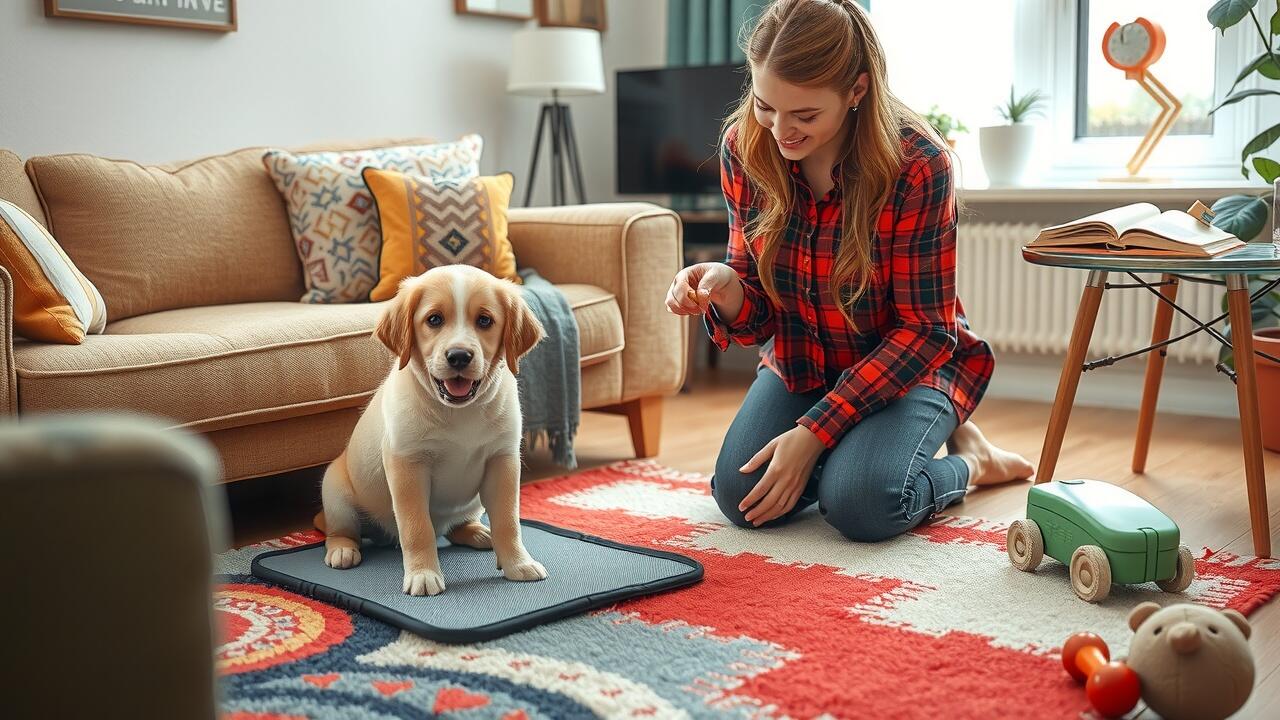
Stop Indoor Accidents In Days
- Teach your dog to go to the door to signal bathroom time
- Avoid creating bad habits by ditching indoor potty pad dependence
- Get faster progress by learning what to do at each stage
Common Mistakes to Avoid
New dog owners often underestimate the importance of a consistent routine. A puppy feels secure when they know what to expect, and this includes understanding when and where they can relieve their potty needs. Failing to establish a designated potty area can confuse your pooch, making it challenging to train them effectively. Male dogs especially can be stubborn if routines are sporadic, leading to frustrating accidents.
Many new owners make the mistake of not providing a dog-safe environment during the training process. A puppy’s knowledge about acceptable behaviors is limited, and distractions in their surroundings can lead to confusion. If dogs are left unsupervised in areas without clear boundaries, they may not understand when to stop and relieve themselves. Creating a calm, controlled space is crucial for successfully implementing the How to Potty Train Puppies and Adult Dogs (Step-by-Step Plan).
Dealing with Accidents Effectively
Accidents are a normal part of the potty training process for both puppies and adult dogs. Knowing how to manage these incidents is key to ensuring progress. Pet owners should remain calm and avoid scolding their little dog when an accident occurs. Instead, focus on praising good potty behavior when it happens outside. Using an indoor pet spray can help clean up effectively, minimizing any lingering odors that may encourage further accidents in the same spot. As part of the step-by-step plan, recognizing that accidents happen is essential for managing expectations.
The next step after an accident is to assess the situation and adjust your training approach. If frequent mishaps occur, consider using a long leash indoors to keep your new dog close. This allows you to monitor their behavior and intervene if they show signs of needing to go.
Professional dog trainers often recommend re-evaluating the potty schedule and ensuring that the designated potty area is easily accessible. This proactive approach not only supports positive habits but also reinforces your dog’s understanding of appropriate potties, enhancing their learning experience.
Step-by-Step Plan for Potty Training Adult Dogs
For many pet owners, transitioning an adult dog to a consistent potty routine can be challenging yet rewarding. Understanding how to potty train puppies and adult dogs (step-by-step plan) involves evaluating your dog’s current habits and identifying their preferred potty spots. Observing your dog behaving before they need to go is crucial, as it allows you to establish designated potty times.
Utilizing potty pads can be beneficial for those in tiny dog living situations or for dogs that have a history of poops indoors. Consulting with a veterinary assistant can provide valuable insights tailored to your pet’s specific needs, ensuring a smoother training process.
Keeping a close eye on your dog and responding promptly to their signals will aid in reducing the occurrences of undesired dog accidents.
Assessing Your Dog’s Current Habits
Understanding your dog’s current habits is crucial in the journey of house training. Begin by observing your bouncy puppy or adult dog to identify their natural potty breaks. A well-balanced dog will often show specific signs before needing to relieve itself.
Documenting these patterns will provide a clearer picture of your family pet’s needs and help you implement a successful step-by-step guide effortlessly. Recognizing these habits also allows you to set the right expectations for your housebroken dog.
Monitoring the frequency and timing of potty breaks is essential. Dogs have their preferred spots, often referred to as their little canine cave, where they feel comfortable doing their business.
Knowing these details will inform your next steps in how to potty train puppies and adult dogs using a structured approach. By aligning your training efforts with your pet’s natural routines, you can minimize accidents and create a more positive experience during the training process.
Implementing a Potty Schedule
A successful potty schedule is essential for both puppies and adult dogs. Establishing a housetraining schedule helps create a routine that supports your dog’s natural instincts. Each dog is unique, so recognizing your individual dog’s needs is crucial.
If you’ve recently introduced new dog food, the transition may affect your dog’s bathroom habits. A good veterinary workup can provide insights into any potential issues, helping you tailor the schedule for your pet’s specific needs.
For good dog owners, consistency is key in this process. Aim to take your dog out at regular intervals, especially after meals, playtime, and naps. Shepherds and other breeds may have different requirements regarding frequency and potty spots.
Keep an eye on signs that indicate your dog needs to go, such as circling or sniffing the ground. This proactive approach ensures positive habits form quickly and reduces the likelihood of accidents in the house. For more tips, visiting websites like fortlauderdaledogtrainers.com can offer valuable resources for navigating these challenges.
Overcoming Potty Training Obstacles for Adult Dogs
Potty training adult dogs can present unique challenges, but effective strategies can help dog owners succeed in their efforts. Understanding how to implement a structured step-by-step plan is essential.
This often starts with consistent house-training advice tailored to the dog’s temperament and habits. Observing your dog’s routines and recognizing their signals will aid in creating a reliable training schedule. Utilizing all-natural dog treats as rewards can reinforce positive behavior, while a hands-free leash allows for easier management during outings.
Engaging with a veterinary professional for personalized tips can also enhance future training outcomes. With perseverance, achieving the dog owner dreams of a well-trained pet is entirely possible.
| Obstacle | Solution | Tip |
|---|---|---|
| Inconsistent Signals | Establish a routine for bathroom breaks | Take your dog out at the same times each day |
| Marking Territory Indoors | Neutralize the area and use deterrents | Consult a trainer to address this behavioral issue |
| Accidents in the House | Clean areas thoroughly to remove odors | Consider using enzyme-based cleaners |
| Lack of Focus During Training | Create a distraction-free environment | Train in shorter, more focused sessions |
Conclusion
Understanding how to potty train puppies and adult dogs through a step-by-step plan is vital for successful training efforts. Consistency is crucial in establishing proper toileting habits and reducing accidents.
Effective trainers emphasize the importance of recognizing the signs that your dog needs to go, along with implementing a structured potty schedule. With patience and positive reinforcement, both puppies and adult dogs can learn to associate outdoor time with relieving themselves, resulting in fewer messes and a happier home environment.
Following these guidelines will ensure that your training journey is both rewarding and effective.
FAQS
What is the best age to start potty training a puppy?
It is generally recommended to start potty training a puppy as soon as they are around 8 weeks old, as this is when they begin to understand basic commands and routines.
How long does the potty training process take?
The duration of potty training can vary widely depending on the dog’s age, breed, and previous experiences. Puppies may take several weeks to a few months, while adult dogs can often be trained more quickly if they already have some understanding of the concept.
What are some signs that my dog needs to go outside?
Common signs that your dog needs to go outside include whining, circling, sniffing around, pacing, or heading toward the door. Being observant of these behaviors can help prevent accidents indoors.
Can I use puppy pads for potty training?
Yes, puppy pads can be useful for training, especially in apartments or during inclement weather. However, they may also prolong the training process, as dogs can become accustomed to using pads instead of going outside.
What should I do if my dog has an accident indoors?
If your dog has an accident indoors, stay calm and avoid punishing them. Clean the area thoroughly to eliminate any lingering odors, and reinforce positive behaviors when they go outside to encourage good habits.
What are some tips for potty training pups that will help create a well-behaved dog at home?
To successfully potty train pups, it’s important to understand their needs, especially during puppyhood. Frequent trips outside, especially after meals, can help them associate going outside with potty breaks. Crated dogs can also aid in potty training, as dogs tend to avoid peeing in their sleeping space. Additionally, reward your puppy when they potty outside to reinforce the behavior. Remember, occasional pup mistakes are normal, so patience and consistency are key as you teach your puppy the right habits. Investing in puppy obedience classes can also provide valuable knowledge for effective training.
How can I ensure that my puppy learns proper potty training habits as they grow into a well-behaved dog at home?
To help your puppy learn proper potty training habits, start by creating a schedule that allows your pup plenty of opportunities to go outside after eating or playing. It’s essential to remain patient and consistent, as puppy mistakes will happen.
Use positive reinforcement when your puppy pees outside and avoid scolding them for accidents indoors. You can also consider attending puppy/obedience classes to better understand puppy knowledge and techniques for successful potty training. Remember that training little puppies at a young age can lead to a well-behaved dog in the future.
Ensuring that your home is safe and free of distractions will help your dog stop any unwanted behaviors like leaving dog crap inside. Finally, be aware that different dog ages can affect how quickly your puppy learns, so be prepared to adapt your training approach as needed.
What are the best places to find supplies for potty training pups to ensure a smooth transition to a well-behaved dog at home?
You can find supplies for potty training pups at pet stores, which often carry essential items for your puppy home. It’s important to provide your puppy/dog with plenty of opportunities to learn proper habits. Dog insurance can also help alleviate concerns about any accidents during the training process as only time pups adjust to their new den animals.
What are effective strategies for puppy potty training to ensure your dogs means are clear and consistent, allowing the dog plenty of time to learn?
To effectively train your puppy, establish a routine that includes regular potty breaks, use positive reinforcement, and be patient. Make sure your dogs means of communication is clear, using commands or cues consistently. This helps the dog plenty in understanding what is expected of them during potty training.
What are some common mistakes to avoid when teaching puppy potty habits?
When teaching puppy potty habits, it’s important to avoid common mistakes such as not establishing a consistent schedule, using negative reinforcement, or failing to supervise your puppy closely during the training process. Giving your puppy plenty of opportunities to go outside and rewarding them for potty successes will help reinforce good puppy potty behaviors.
Finally A Fully Housebroken Dog
- Help your dog understand outside means bathroom, not playtime
- Follow trainer-style techniques without needing any past experience
- Let your dog roam the house without watching every second