Incorporating Positive Reinforcement
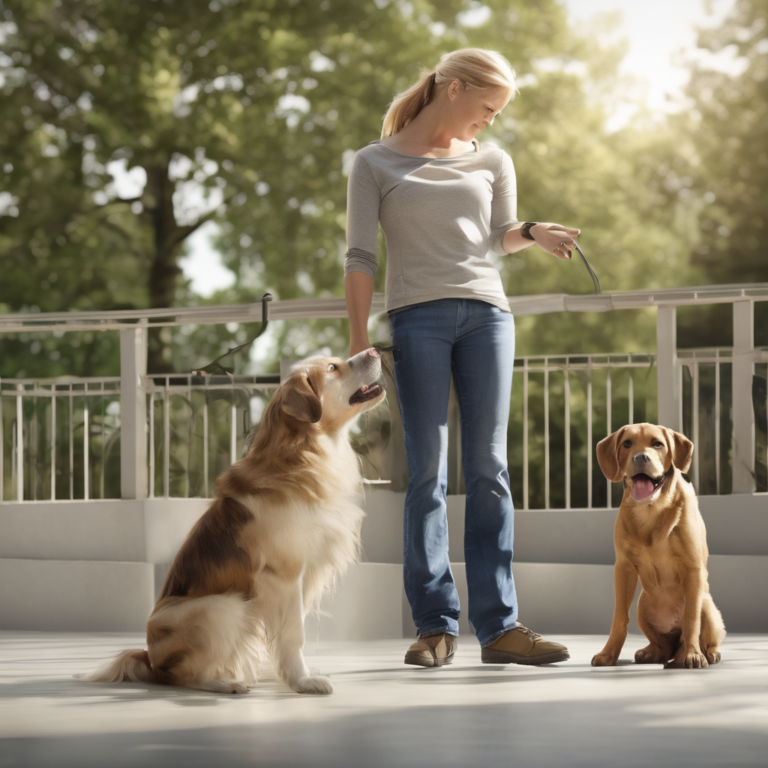
Using positive reinforcement is a key strategy in teaching your puppy to signal their potty needs. This approach focuses on rewarding desirable behaviors, which encourages your puppy to repeat those actions. Whenever your puppy uses designated potty areas, promptly reward them with treats, affection, or verbal praise. This reinforces their understanding that signaling their needs leads to positive outcomes, making it more likely they will do so again in the future.
Consistency plays a vital role in the effectiveness of positive reinforcement. Always reward your puppy immediately after they exhibit the desired behavior, ensuring that they can associate the action with the reward. Incorporating a specific command or cue word during these moments can also help your puppy recognize the behavior you are encouraging. Over time, this method helps establish a strong connection between signaling and receiving praise, aiding in the development of their potty training skills.
Rewards that Encourage Good Behavior
Offering rewards is essential to shaping your puppy’s behavior during potty training. When your puppy successfully signals their need to go outside, immediate praise or a treat can reinforce this positive action. It’s crucial to use high-value rewards, like small pieces of their favorite treats, as this will make the incentive more enticing. Consistent and enthusiastic reinforcement encourages your puppy to repeat the desired behavior.
Timing is a key factor in effective rewards. Providing praise or treats right after your puppy indicates the need to go outside helps them make the connection between their action and the positive feedback. The quicker the reward comes after the behavior, the more likely the puppy will understand what they are being praised for. Keep training sessions short and engaging to maintain your puppy’s interest and motivation throughout the process.
Signs Your Puppy Needs to Potty
Puppies communicate their need to go outside through specific behaviors. Common signs include sniffing around, circling, or abruptly stopping what they are doing to head toward the door. Some puppies may also whine, bark, or paw at you for attention when they need to relieve themselves. Recognizing these signals early on is essential for effective training and preventing accidents inside the house.
In addition to observing physical actions, take note of your puppy’s routine. Many dogs will show consistent behaviors after meals, playtime, or waking from a nap. Monitoring these patterns can help create a schedule for potty breaks, reinforcing positive habits. Being proactive in responding to these signs fosters good communication between you and your puppy, making the training process smoother.
Observing Body Language and Actions
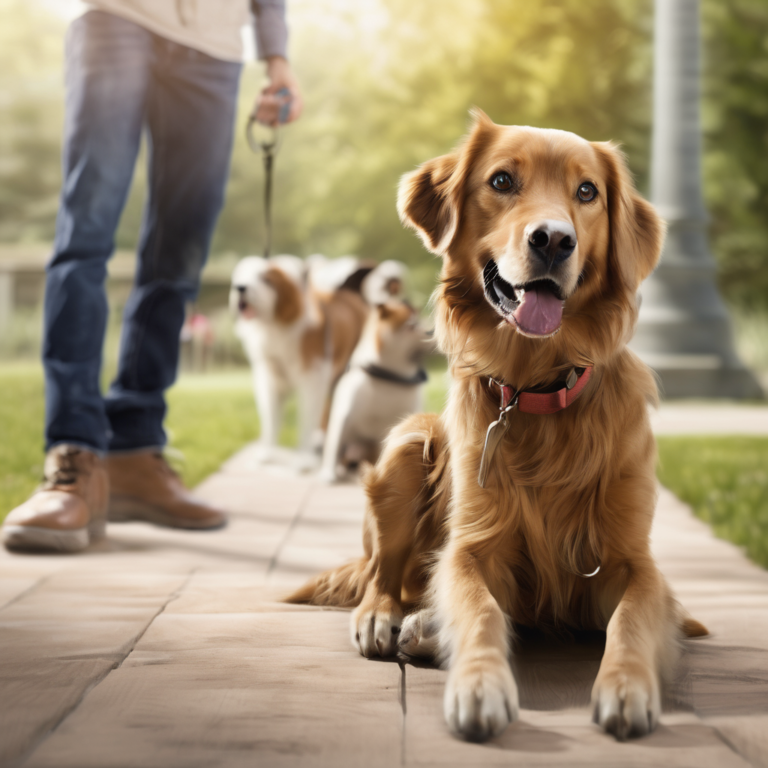
It is crucial to pay attention to your puppy’s body language when it comes to signaling their need to go outside. Dogs often exhibit clear signs before they have to relieve themselves. This can include pacing back and forth, sniffing the ground more intently, or circling in place. Each puppy may develop their own unique mannerisms, so being observant and noting these behaviors can help you anticipate their needs more effectively.
In addition to physical movements, vocalizations can also serve as important cues. Some puppies whine or bark when they feel the urge to go out. Others may sit or stand by the door, indicating their desire to step outside. Understanding these signals will not only facilitate potty training but also strengthen the bond between you and your puppy, allowing for better communication as they grow.
Troubleshooting Common Challenges
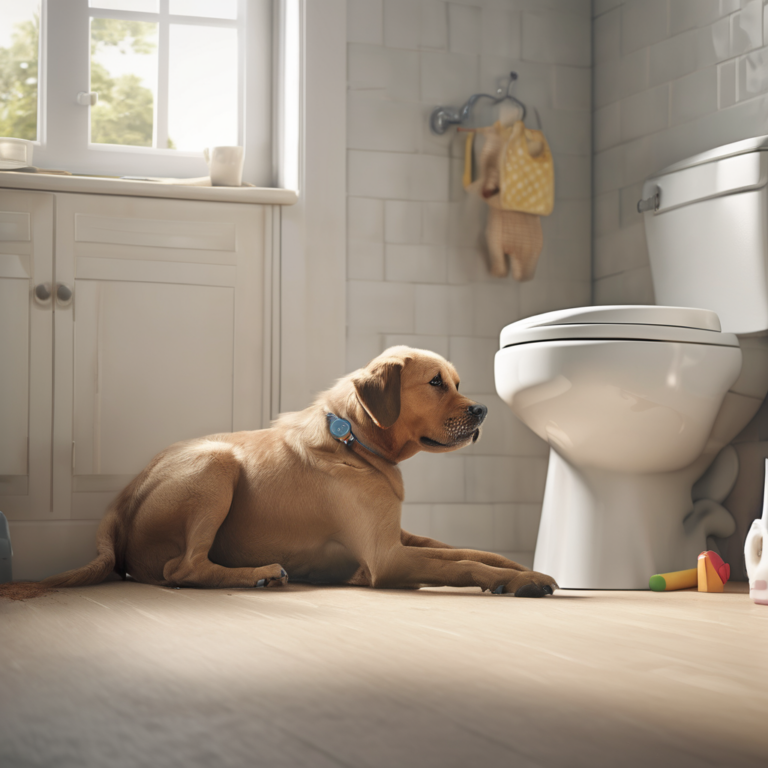
Accidents can happen frequently during the potty training process, frustrating both the puppy and the owner. Observing the specific circumstances around each accident can help identify patterns. If a puppy tends to have accidents in certain areas of the house, this might indicate a need for more consistent supervision or an indication of their favorite spot. Ensuring that your puppy is taken out regularly, especially after meals and play sessions, can also reduce the likelihood of accidents indoors.
In some cases, health issues may contribute to frequent potty mishaps. It’s essential to consult a veterinarian if your puppy continues to have accidents despite your efforts to train them. Puppies can sometimes experience urinary tract infections or other health problems that affect their ability to hold their bladder. Addressing potential medical issues promptly can make a significant difference in the training process and overall well-being of your puppy.
Solutions for Frequent Accidents
Frequent accidents can be frustrating for both you and your puppy. One effective solution is to establish a more consistent schedule for potty breaks. Puppies thrive on routine, so taking them out at the same times each day helps them learn when to expect an opportunity to go. Additionally, if your puppy has a specific area where they are encouraged to potty, they can begin to associate that place with the act itself.
Another key strategy is to increase supervision indoors. Keep an eye on your puppy, particularly after meals, playtime, or any signs of restlessness. If accidents happen indoors, clean them thoroughly with an enzyme cleaner to eliminate lingering odors. This approach reduces the chance of your puppy returning to the same spot. By being proactive and attentive, you can effectively minimize the likelihood of accidents while reinforcing positive potty habits.
FAQS
How long does it take for a puppy to learn to signal their potty needs?
The time it takes for a puppy to learn to signal their potty needs can vary, but with consistent training and positive reinforcement, most puppies can start to understand the process within a few weeks.
What are some effective rewards to use when training my puppy?
Effective rewards can include treats, praise, and playtime. Find what motivates your puppy the most, as this can help reinforce good behavior more effectively.
What are common signs that my puppy needs to go potty?
Common signs that your puppy needs to go potty include sniffing around, circling, whining, or heading toward the door. Observing these behaviors closely will help you respond quickly.
What should I do if my puppy keeps having accidents indoors?
If your puppy is having frequent accidents indoors, review your training methods and ensure you’re taking them out regularly. You can also increase supervision indoors and consider using crate training to help them learn appropriate potty habits.
Is it normal for my puppy to have setbacks during potty training?
Yes, setbacks can be a normal part of the potty training process. Patience and consistency are key. If setbacks occur, revisit your training techniques and adjust as needed to ensure your puppy understands the desired behavior.
Related Links
Potty Bell Training: Teach Your Dog to Signal Potty Breaks
Dog Rings the Bell Too Much? Fix It Without Removing the Bell
Bell Training vs Door Scratching (Pros/Cons + Best Use Cases)
Best Places to Hang Bells + Quick Setup Checklist